Empowering Youth Voices Through Ten Years of TED-Ed Student Talks and the Rise of Ludhiana’s Independent Speaker Community

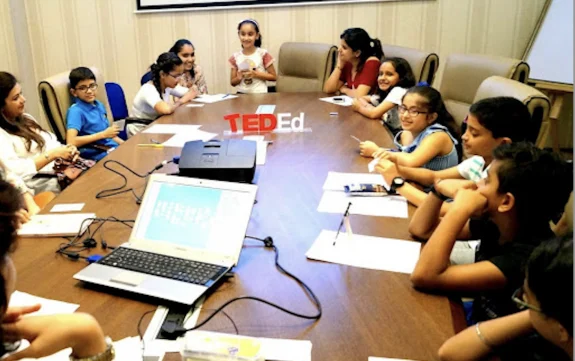
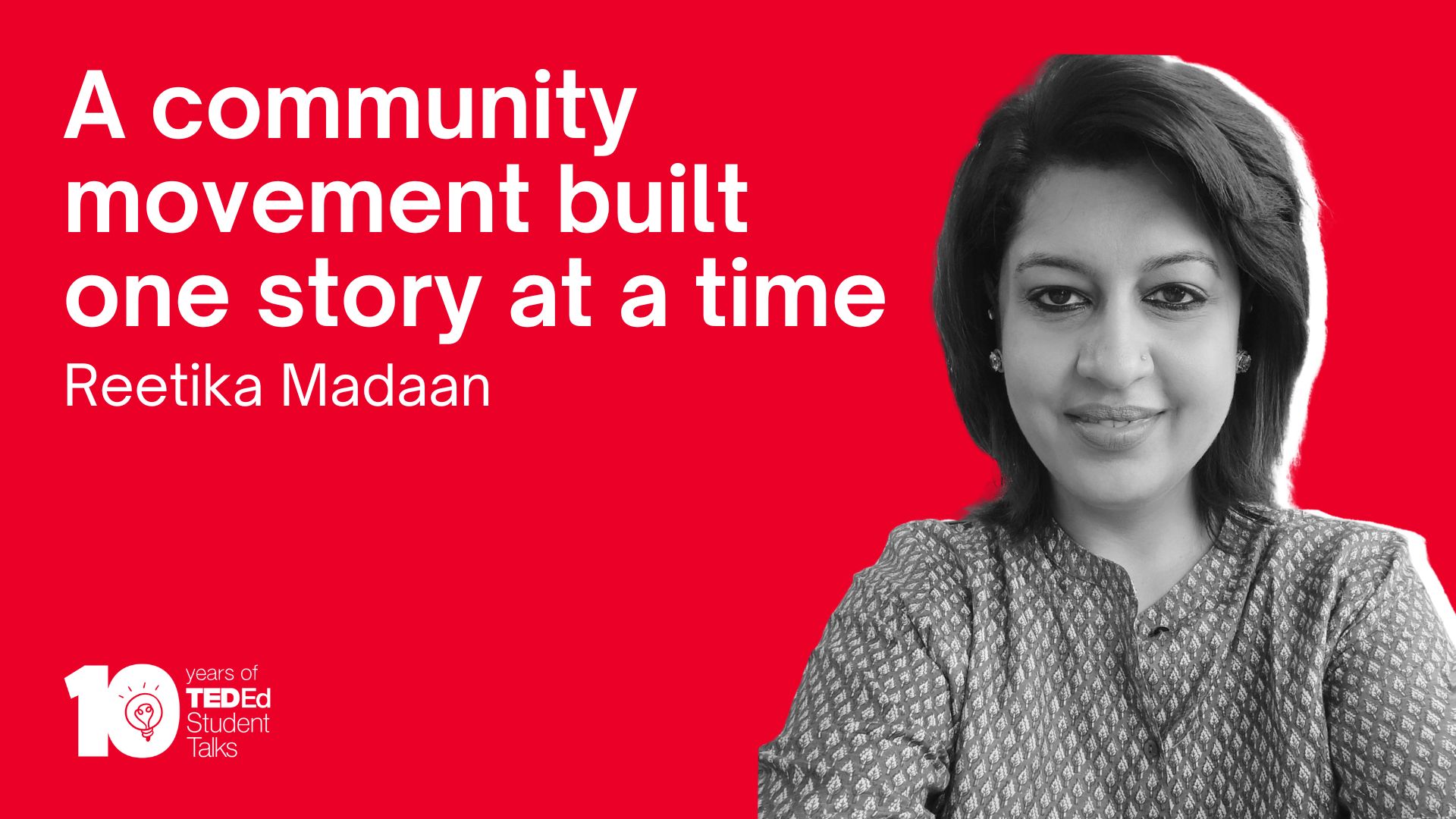
The global educational landscape has undergone a significant transformation over the last decade, particularly in the realm of student agency and public discourse. Since its inception in 2014, the TED-Ed Student Talks program has provided a framework for thousands of student groups worldwide to cultivate, refine, and share their unique perspectives. As TED-Ed celebrates its 10th anniversary, the organization has launched the “10 for 10 years” series, a commemorative initiative designed to highlight the profound impact of the program through the stories of its most dedicated facilitators. Among these influential figures is Reetika Madaan, an independent educator based in Ludhiana, India, whose work exemplifies the potential of the program to transcend traditional institutional boundaries and foster a culture of critical thinking and eloquence in a rapidly developing urban center.
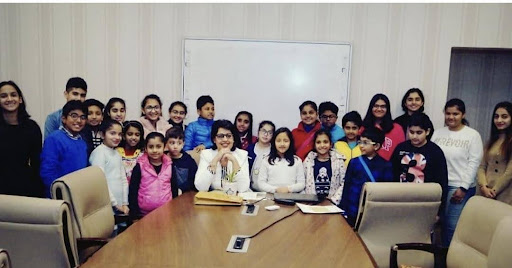
Madaan’s journey with TED-Ed began in 2016, a period when the educational focus in many Indian cities remained heavily skewed toward academic performance and standardized testing. As an independent communication coach and community builder, Madaan identified a critical gap in the local environment: while students possessed a wealth of innovative ideas and personal insights, they lacked a structured platform to express them. Unlike many facilitators who operate within the established infrastructure of a school or university, Madaan sought to build a city-wide platform from the ground up, navigating the complexities of operating without institutional backing or government grants. Today, her initiative has evolved into a thriving ecosystem that has trained over 50 speakers from 15 different schools across Ludhiana, with several students progressing to the prestigious TEDx stage.
The Genesis of an Independent Educational Platform
The establishment of the TED-Ed Club Ludhiana in 2016 was a response to a systemic lack of extracurricular outlets for student expression. In many traditional educational settings, public speaking is often relegated to annual functions or formal debates, which frequently emphasize performance over original thought. Madaan’s vision was to create a space where the "ideas worth spreading" philosophy could be applied to the youth of an entire city, regardless of their school affiliation.
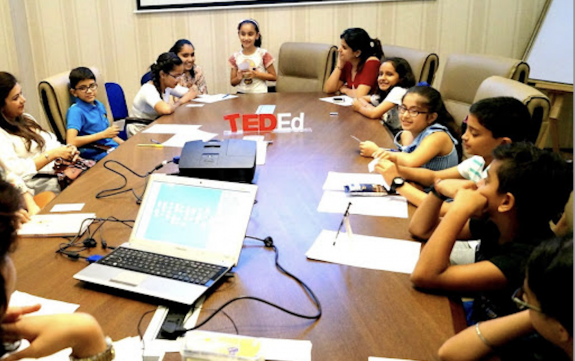
Starting as an "outsider" in the educational sector presented immediate logistical and social challenges. Without the "school bell to ring" or an existing administrative framework to rely on, the program initially struggled for visibility. Madaan began her sessions with a cohort of only three children. The primary challenge was twofold: establishing credibility in the eyes of the community and convincing parents of the value of a program that did not offer a traditional academic grade.
To overcome these hurdles, Madaan focused on documenting the tangible impact of the program. By involving parents in the process and allowing them to witness the incremental improvements in their children’s confidence and analytical skills, she built a foundation of trust. This grassroots approach eventually led to a "word-of-mouth" expansion. As parents shared the success stories of their children, the club grew from three students to 25, then 40, eventually attracting interest from the very schools that had previously lacked such programs.
Chronology of Development and Curricular Evolution
The growth of the TED-Ed Student Talks program in Ludhiana mirrors the evolution of the TED-Ed curriculum itself. Over the past decade, the resources provided by TED-Ed have transitioned from basic guidelines to a comprehensive, visually-driven "playbook." This evolution has been instrumental in helping facilitators like Madaan navigate the complexities of student mentorship.
- 2014–2015: The launch of TED-Ed Student Talks resources globally, providing a basic framework for schools to host clubs.
- 2016: Reetika Madaan establishes the TED-Ed Club Ludhiana as an independent entity, focusing on bridging the gap between academic learning and real-world communication.
- 2017–2019: The program expands its reach across 15 schools in Ludhiana. The curriculum becomes more robust, incorporating research-oriented tasks and risk-taking exercises that encourage students to explore "layered thinking."
- 2020–2023: Despite global shifts toward digital learning, the program maintains its momentum. Madaan integrates her work with other global initiatives, including the World Economic Forum’s Global Shapers Community, further elevating the profile of her students.
- 2024–2025: The "10 for 10 years" celebration highlights the long-term success of the Ludhiana initiative, showcasing students who have transitioned from local club speakers to TEDx performers.
The curriculum’s shift from a few pages of instructions to a detailed engagement guide allowed Madaan to offer a more personalized coaching experience. This personalization is a cornerstone of her methodology, ensuring that every student leaves the program not just with a polished talk, but with a fundamental belief in their own voice.
Case Studies in Transformation: From Club to TEDx Stage
The efficacy of the TED-Ed Student Talks program is best illustrated through the success of its participants. Madaan points to the curation of TEDxSarabhaNagar as a watershed moment for her students. Two specific examples, Rayaansh Pahwa and Amaya Sahni, highlight the range and depth of the ideas cultivated within the Ludhiana club.
Rayaansh Pahwa utilized the platform to challenge the inherent rigidity of the modern education system. His talk focused on the value of travel as a form of experiential learning, arguing that the world outside the classroom offers lessons that textbooks cannot replicate. His journey involved a rigorous process of practicing, doubting, and rewriting—a cycle that Madaan identifies as essential for genuine intellectual growth.
Similarly, Amaya Sahni took the "big red dot" at the age of 11. Her talk was centered on the lessons she had learned in her short but impactful life, proving that age is not a barrier to profound insight. For Madaan, witnessing these transformations was the ultimate validation of her independent model. These students did not just learn to speak; they learned to advocate for their ideas under pressure, a skill that serves them well beyond the stage.
Supporting Data and Regional Context
Ludhiana, often referred to as the "Manchester of India" due to its industrial prominence, is a city characterized by rapid economic growth and a burgeoning young population. According to recent demographic trends, India has one of the world’s largest youth populations, with over 50% of its people under the age of 25. In industrial hubs like Ludhiana, there is an increasing demand for "21st-century skills," which include critical thinking, collaboration, and effective communication.
Research by the World Economic Forum, an organization Madaan is closely associated with through the Global Shapers Community, suggests that by 2025, analytical thinking and innovation will be among the most sought-after skills in the global labor market. The TED-Ed Student Talks program directly addresses these needs by moving away from rote memorization and toward inquiry-based learning.
Data from TED-Ed indicates that the Student Talks program now reaches over 100 countries. In regions like Punjab, where traditional education has historically focused on engineering and medical pathways, the introduction of communication-centric programs represents a significant cultural shift. Madaan’s ability to train 50+ speakers across 15 schools suggests a growing appetite for "playful learning" and non-academic skill development in the region.
Implications for Facilitators and Parents: A Strategic Analysis
The success of the Ludhiana model offers several key takeaways for educators and parents globally. Madaan’s experience suggests that the role of a facilitator is not merely to teach public speaking, but to act as a witness to a student’s personal evolution.
For Facilitators:
The primary advice offered by Madaan is the importance of "tough conversations." Facilitators must encourage students to explore topics that are often ignored in a standard curriculum—their fears, their unconventional passions, and their unique observations about the world. Madaan emphasizes that students are "watching how you listen." The real growth begins when a student realizes that their mentor cares more about the integrity of their story than the technicalities of their stage performance.
For Parents:
The program also challenges traditional parenting styles that may prioritize immediate results over long-term skill acquisition. Madaan advocates for parental "independence," suggesting that over-supervision can stifle a child’s ability to form and articulate original thoughts. The expectation for children to become "miraculously great public speakers overnight" is a pressure that can hinder progress. Instead, the process requires patience and a recognition that building communication skills is a gradual, iterative journey.
Broader Impact and the Future of Youth Discourse
The "10 for 10 years" series serves as a reminder of the enduring power of the TED-Ed mission. By providing free resources to any interested group, TED-Ed has democratized access to high-level communication training. In cities like Ludhiana, this has meant the difference between a student remaining silent and a student influencing their community.
The implications of Madaan’s work extend beyond the borders of India. Her model proves that an independent educator, fueled by vision and persistence, can create a sustainable platform for youth voice that rivals institutional programs. As social media continues to amplify the desire for young people to be heard, programs like TED-Ed Student Talks provide the necessary guardrails of research, ethics, and structure to ensure that those voices are not just loud, but meaningful.
As the TED-Ed Student Talks program enters its second decade, the focus remains on the "impact of the idea." For Reetika Madaan and the students of Ludhiana, the last ten years have been a testament to the fact that when students are given the freedom to think and the tools to speak, they don’t just change the room—they change the narrative of their own lives. The continued success of the Ludhiana club serves as a blueprint for other independent educators worldwide, demonstrating that the lack of a "school bell" is no obstacle to ringing in a new era of student leadership and eloquence.
Related posts: