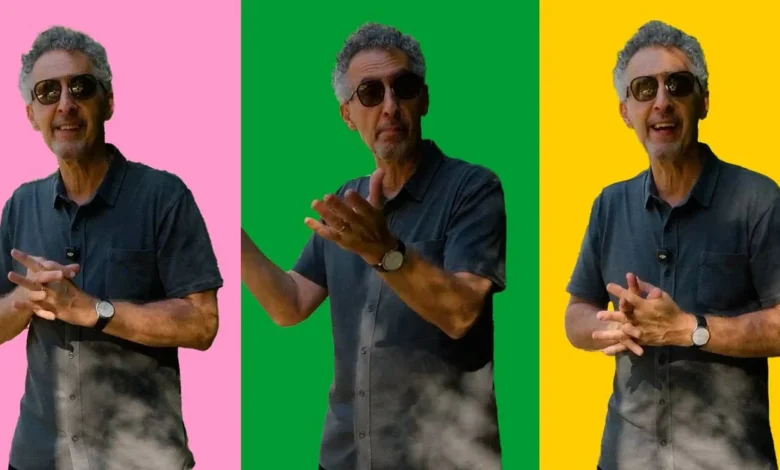
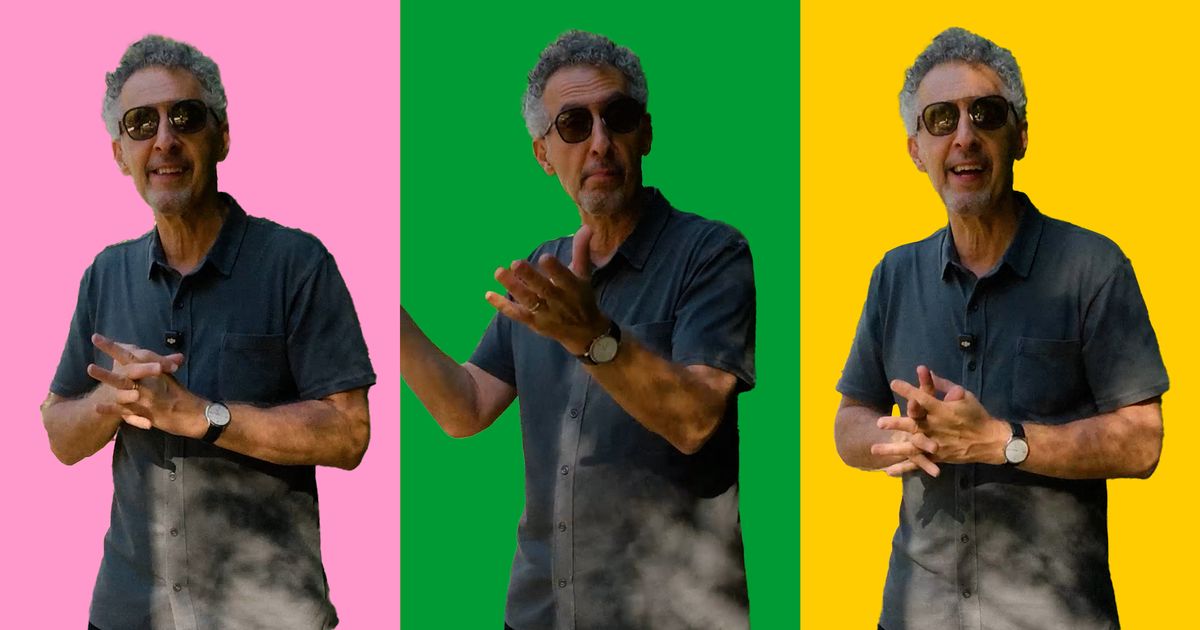
The question of what defines a "true" New Yorker is a perennial debate, shifting with the city’s demographics, economic tides, and cultural evolution. In a recent installment of the NYQ series, actor and director John Turturro—a fixture of the American independent film scene and a native of the metropolitan area—offered a window into the lived experience of a man who has witnessed over half a century of the city’s transformation. Through his anecdotes, we gain not just a portrait of a singular career, but a longitudinal study of urban identity.
A Half-Century of Urban Evolution
John Turturro’s tenure in New York City spans more than 50 years, a period that encompasses the city’s fiscal crisis of the 1970s, the subsequent real estate booms, the gentrification of neighborhoods like Brooklyn’s Park Slope, and the digital disruption of the 21st century. Having moved residences approximately seven times during this tenure, his perspective is rooted in the practical realities of urban mobility.
The logistical query of navigating from the Upper West Side’s historic Barney Greengrass to the Gilded Age splendor of the Morgan Library in Midtown serves as a litmus test for the "New York state of mind." Turturro’s approach—prioritizing a cross-town walk followed by the 6 train—highlights a reliance on institutional knowledge of the subway system over the algorithmic suggestions of modern GPS-based rideshare apps. This preference reflects a wider tension in contemporary urban life: the loss of cognitive mapping in favor of digital dependency. As Turturro notes, modern cab drivers are often tethered to GPS, occasionally missing the intuitive, traffic-averting shortcuts that defined the tradecraft of the city’s "old guard" drivers.
The Geography of the "Blob"
Perhaps the most telling aspect of Turturro’s urban history is his relationship with the outer boroughs, specifically Staten Island. While often marginalized in the cultural narrative of New York, Staten Island was, for the Turturro family, a site of labor. His father, a construction worker, built houses in the borough, characterizing the area as "the Blob." This colloquialism speaks to the historical perception of the borough as an expansive, distinct entity separate from the dense, vertical urbanism of Manhattan.
The physical reality of that labor—ground saturated with red clay that coated his father’s vehicle—offers a visceral counterpoint to the romanticized version of New York often presented in film. It is a reminder that for many New Yorkers, the city is a landscape of concrete, soil, and industry, not merely a collection of iconic landmarks.
The Theatrical Landscape and the Lost Era
Turturro’s reflection on his early years in Off-Off Broadway provides vital context for the cultural scene of the 1970s and 80s. He recalls a period of high creative output fueled by the sexual revolution, where the promotional methods were as bold as the performances themselves—including the use of short shorts to draw audiences to experimental theater.
The mention of the Ridiculous Theatrical Company, founded by the visionary Charles Ludlam, highlights the specific loss of queer-coded, avant-garde spaces that defined New York’s cultural cachet before the commercialization of the arts. Ludlam, whom Turturro identifies as a genius of cross-dressing and character acting, remains a touchstone for the type of artistic risk-taking that defined that era. The closure of such spaces represents a significant, if often overlooked, shift in the city’s cultural fabric.
Data Points of the Daily Grind
The "NYQ" series seeks to quantify the qualitative, asking questions that touch upon the shared, often grueling, experiences of New York residents. Turturro’s responses provide a set of data points for the modern urbanite:
- Subway Resilience: A wait time of 45 to 60 minutes on a platform is cited as his personal threshold, a figure that resonates with the frustrations of aging transit infrastructure.
- The Tourist-Resident Paradox: Despite his deep roots, Turturro acknowledges the thrill of discovery, citing the Beekman Hotel as a place that, despite his local status, felt like "another world." This suggests that even long-term residents are susceptible to the city’s perpetual reinvention.
- Cultural Consumption: His preferences—botanical gardens, Green-Wood Cemetery, and the Film Forum—align with a demographic of long-term residents who seek refuge in the city’s quiet, historic, or specialized institutions during peak tourist holidays.
The Celebrity and the City
The intersection of celebrity and anonymity in New York is a complex dynamic. Turturro’s experience working as a bartender at the Right Bank during the height of Al Pacino’s career illustrates a pre-social-media era of celebrity, where interaction was grounded in proximity and service rather than digital surveillance. The act of handing a movie star ice cream to take home is a quintessentially New York anecdote—a moment of domesticity occurring in the shadow of immense fame.
Furthermore, his confession of a long-standing crush on Barbra Streisand adds a layer of personal myth-making to his identity as a New Yorker. It speaks to the city’s unique ability to foster a sense of intimate connection with public figures who are, in many ways, the embodiments of the city’s own creative spirit.
Culinary Landmarks and Cultural Memory
The anecdote regarding the consumption of 11 hot dogs on Staten Island serves as a humorous but profound marker of the city’s working-class food culture. The Sabrett hot dog stand is a ubiquitous, if simple, feature of the New York streetscape. By framing this experience within the context of manual labor and familial observation, Turturro anchors his identity in the gritty, unpretentious, and often excessive consumption patterns of his youth. It serves as a stark contrast to the current landscape of high-end dining and food trends that dominate contemporary Manhattan.
Broader Implications: What Does It Mean to be "New York"?
The NYQ series attempts to establish a rubric for authenticity in a city where the population is constantly in flux. John Turturro’s responses suggest that being a "New Yorker" is not a static state but an accumulation of experiences: the ability to navigate without technology, the memory of businesses that no longer exist, the experience of labor in the outer boroughs, and a lingering appreciation for the city’s ability to surprise even its most seasoned inhabitants.
The implications for the city’s future are clear: as New York continues to evolve, the "NYQ" of future generations will be defined by different landmarks and different transit hurdles. However, the foundational elements—the intersection of diverse social strata, the reliance on public infrastructure, and the necessity of finding personal meaning in a crowded, competitive environment—remain constant.
As the city faces ongoing challenges regarding housing, transit, and the preservation of its cultural institutions, the testimony of individuals like Turturro serves as a vital record. It documents the transition from a city of manufacturing and experimental theater to a global financial and tech hub, while asserting that the soul of New York remains tied to the specific, often messy, lived experiences of its people. Whether or not one qualifies as a "true" New Yorker may ultimately be less important than the degree to which one participates in the city’s ongoing, collective narrative. In Turturro’s case, his history is etched into the very map of the city, from the red clay of Staten Island to the screens of the Film Forum, proving that his "NYQ" is firmly rooted in the bedrock of the metropolis.