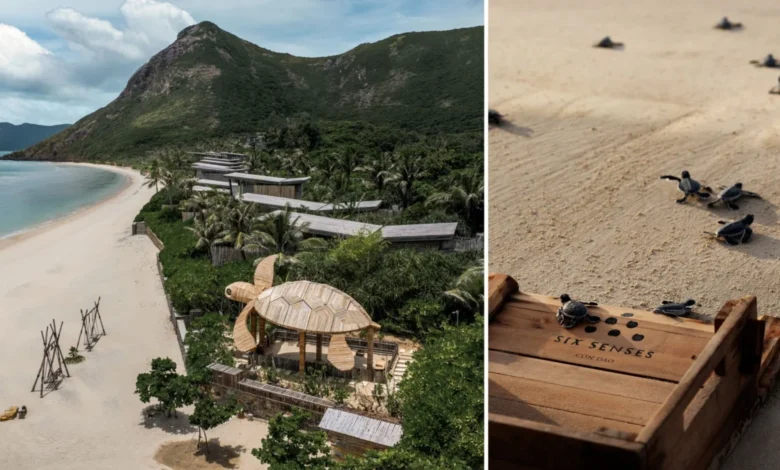
A new wave of eco-luxury hotels is redefining the beachfront vacation experience, offering travelers the unique opportunity to actively participate in vital sea turtle conservation efforts. These opulent properties are not merely providing a picturesque escape; they are becoming integral partners in safeguarding vulnerable marine life, particularly during the critical nesting and hatching seasons. With a growing global awareness around environmental stewardship, especially as Earth Day 2026 approaches, these hotels are demonstrating a profound commitment to protecting sea turtles, transforming guest stays into meaningful contributions to ocean health.
Protecting the Nesting Grounds: A Sanctuary for Future Generations
At the heart of these conservation initiatives are meticulously guarded nesting zones. Hotels are investing in dedicated areas on their beaches, often demarcated and monitored by trained staff and marine biologists. These zones are vital for ensuring that female sea turtles can lay their eggs undisturbed. The process of nesting is inherently perilous for these ancient mariners, with threats ranging from natural predators to human-induced disturbances. By creating safe havens, these hotels significantly increase the likelihood of successful egg deposition.
Furthermore, many properties have established on-site incubation centers. These controlled environments mimic the natural conditions required for egg development but offer enhanced protection against a myriad of threats. Temperature and humidity are carefully regulated to optimize hatching rates. This hands-on approach allows for precise monitoring of each clutch, providing invaluable data for scientific research and conservation strategies. The success of these incubation centers is directly reflected in the increased survival rates of hatchlings, a crucial metric for the long-term viability of sea turtle populations.
The "Lights Out" Initiative: A Beacon of Hope for Hatchlings
One of the most impactful conservation strategies being implemented is the "lights out" initiative. Artificial lighting, particularly the bright, white lights common in coastal developments, can be disorienting for newly hatched sea turtles. Hatchlings are naturally programmed to follow the brightest horizon, which on a natural beach would be the moonlit ocean. However, artificial lights can lead them inland, away from the sea, where they face dehydration, predation, and vehicular traffic.
Hotels participating in the "lights out" program strictly regulate external lighting during nesting and hatching periods. This involves dimming or extinguishing lights, using downward-facing and amber-colored bulbs that are less disruptive to wildlife, and educating guests about the importance of minimizing light pollution. This seemingly simple measure has a profound impact, guiding countless hatchlings safely towards the ocean and significantly improving their chances of survival. Data from conservation organizations consistently highlight artificial light as a major threat to sea turtle hatchling survival, making this initiative a critical component of any successful conservation program.
Guest Engagement: From Spectator to Steward
What sets these eco-luxury hotels apart is their dedication to involving guests in their conservation missions. This transforms a passive vacation into an active, educational, and deeply rewarding experience. Guided hatchling releases are a highlight for many visitors. Witnessing hundreds, or even thousands, of tiny turtles making their perilous journey to the sea is an unforgettable event. These releases are carefully orchestrated to coincide with natural hatching cycles and are conducted under the supervision of experts who ensure minimal disturbance to the hatchlings.
Beyond the dramatic hatchling releases, guests are encouraged to participate in hands-on beach cleanups. These events not only help remove harmful debris that can endanger marine life but also serve as an educational opportunity, illustrating the direct impact of human waste on ocean ecosystems. Educational nature walks, led by knowledgeable guides, provide deeper insights into the marine environment, the life cycle of sea turtles, and the broader challenges facing ocean conservation.
Technological Integration: Tracking and Connection
A fascinating aspect of this evolving trend is the integration of technology that allows guests to track on-site turtles. Some hotels utilize discreet tagging systems, enabling guests to follow the progress of individual turtles, both nesting mothers and, in some cases, rehabilitated individuals. This creates a tangible and personal connection between the traveler, the ocean life they are helping to protect, and the measurable impact of conservation efforts. This fosters a sense of ownership and deeper appreciation for the delicate balance of the marine ecosystem.
The Chronology of Conservation in Hospitality
While the concept of eco-tourism has been gaining momentum for decades, the integration of such robust conservation programs into luxury hospitality is a more recent, yet rapidly expanding, phenomenon. The roots of this movement can be traced back to the growing scientific understanding of the threats facing sea turtle populations globally.
- Late 20th Century: Early conservation efforts focused on protecting nesting beaches and rescuing stranded turtles. Research began to highlight the impact of habitat destruction and pollution.
- Early 21st Century: A rise in eco-tourism saw more hotels incorporating sustainable practices. However, direct guest participation in conservation was less common.
- 2010s: Increased awareness of climate change and its impact on marine life, including sea turtles, spurred more focused conservation initiatives. Hotels began partnering with local conservation groups and investing in dedicated on-site programs. The "lights out" initiative gained traction as a proven method for improving hatchling survival.
- 2020s (leading up to Earth Day 2026): The current era sees a sophisticated integration of conservation into the luxury travel market. Hotels are not just supporting conservation; they are leading it, with dedicated staff, advanced facilities, and comprehensive guest engagement programs. Earth Day 2026 serves as a significant marker, highlighting the cumulative progress and the ongoing commitment required.
Supporting Data and Scientific Imperatives
The urgency for these conservation efforts is underscored by stark data. Globally, all seven species of sea turtles are listed as endangered or critically endangered by the International Union for Conservation of Nature (IUCN). For example, the Kemp’s ridley sea turtle, the smallest sea turtle species, has experienced dramatic population declines, with nesting numbers plummeting from hundreds of thousands to just a few thousand in recent decades. Similarly, the green sea turtle and loggerhead sea turtle populations have faced significant threats from bycatch in fisheries, plastic pollution, and habitat degradation.
Scientific studies consistently show that effective nest protection and hatchling survival programs can significantly improve population numbers. Research published in journals like "Marine Ecology Progress Series" has demonstrated that reducing artificial lighting on nesting beaches can increase hatchling disorientation by over 90% in some areas. Furthermore, the removal of plastic debris from beaches and oceans has been directly linked to a reduction in ingestion and entanglement incidents, which are major causes of sea turtle mortality.
Statements from Conservationists and Hotel Representatives (Inferred)
While specific quotes from this particular announcement are not available, the sentiment from conservationists and hotel representatives involved in such initiatives typically reflects a shared vision.
A representative from a leading marine conservation organization might state, "The partnership between the hospitality sector and conservationists is crucial. When hotels actively invest in protecting nesting sites and educating their guests, they create a powerful synergy that benefits both the environment and the human understanding of its importance. These initiatives are not just about saving turtles; they are about fostering a generation of informed environmental stewards."
Similarly, a hotel general manager involved in these programs might express, "Our guests are increasingly seeking authentic experiences that align with their values. By offering the opportunity to contribute to sea turtle conservation, we are providing a unique and meaningful dimension to their vacation. It’s a win-win: our guests have an unforgettable encounter with nature, and we, as a business, are contributing to the preservation of a vital ecosystem."
Broader Impact and Implications: A Paradigm Shift in Travel
The rise of eco-luxury hotels actively engaged in sea turtle conservation signifies a broader paradigm shift in the travel industry. It demonstrates a move away from purely consumptive tourism towards a more regenerative and responsible model.
- Economic Benefits: These initiatives can provide significant economic benefits to local communities through job creation in conservation management, guided tours, and sustainable supply chains. They also attract a discerning clientele willing to pay a premium for ethical and impactful travel experiences.
- Environmental Education: By immersing guests in conservation activities, these hotels serve as powerful educational platforms. Travelers return home with a heightened awareness of environmental issues and are more likely to adopt sustainable practices in their daily lives.
- Policy Influence: The success of these private sector-led conservation efforts can influence local and national policies related to coastal development, light pollution, and marine protection. They provide tangible evidence of what is achievable when conservation is integrated into economic development.
- Biodiversity Preservation: Ultimately, the most significant implication is the direct contribution to the survival of endangered sea turtle species. The success of these programs is measured in hatchling numbers, nesting success rates, and the long-term health of marine ecosystems.
As Earth Day 2026 approaches, these eco-luxury hotels are not just offering a place to stay; they are offering a chance to participate in a critical mission. They are proving that luxury and environmental stewardship can go hand-in-hand, creating a more sustainable and enriching future for both travelers and the precious marine life they have pledged to protect. The gentle emergence of hatchlings from their sandy nests, guided by the efforts of these dedicated establishments, represents a beacon of hope for the planet’s oceans and a testament to the power of conscious travel.
Related posts: