Navigating the Shift: Inside the 2026 Skift Creator Summit and the Evolution of Travel Marketing Infrastructure


The modern travel industry has officially crossed a psychological and structural threshold: digital content creators are no longer viewed merely as experimental marketing tactics or casual amplifiers of brand awareness. Instead, they operate as fully fledged production studios, distribution networks, and economic drivers capable of steering customer acquisition, booking behavior, and long-term brand loyalty. As travel brands map out their strategies for the remainder of the decade, the primary dilemma is no longer whether creators matter, but rather how established organizations can architect resilient business systems around them.
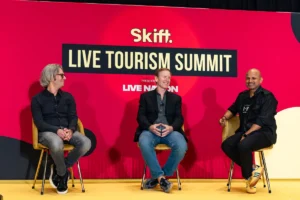
To address these complex operational shifts, industry leaders, chief marketing officers, performance directors, and platform executives will convene on September 22, 2026, at the North Javits Center in New York City for the exclusive Skift Creator Summit, presented by Meta. Attendance at the high-level forum is strictly limited to 50 to 75 seats, curated via a rigorous application process designed to ensure high-level peer interaction and functional alignment among decision-makers.
The Genesis and Context of the Creator-Driven Travel Economy
The evolution of the travel creator economy mirrors the broader maturation of digital media over the past decade. In the early days of social media marketing, brands treated influencers as digital billboards—paying flat fees for single-post endorsements that lacked reliable attribution modeling. However, shifting consumer habits, particularly among Millennial and Generation Z travelers, have disrupted traditional customer funnels.
Recent behavioral data indicates that discovery now initiates within the social media feed for 36% of travelers, while 57% of younger demographics name social platforms as their primary source for vacation planning. This fundamental migration of consumer attention has bypassed traditional search engines and emerging artificial intelligence intermediaries, prompting industry leaders to reassess where marketing budgets are allocated.
As Rafat Ali, CEO and founder of Skift, noted ahead of the summit, creators are rapidly evolving into a genuine, independent distribution channel that bypasses legacy intermediaries like Google. Yet, capitalizing on this distribution channel requires navigating deep operational friction regarding scale, measurement, creative control, and direct commerce integration.
The Core Dilemmas Facing Travel CMOs
The agenda for the 2026 Skift Creator Summit is structured around five critical tensions currently facing executive leadership teams. Rather than offering standardized playbooks, the event is designed to surface contradictory approaches among top-tier brands, challenging preconceived industry assumptions.
Reach Versus Depth in Creator Matching

Historically, influencer marketing prioritized sheer audience reach, equating follower counts with campaign success. However, modern travel brands are shifting away from reach for its own sake, favoring creators who demonstrate genuine conversion capabilities, regardless of audience size. Industry data underscores this shift: only 8% of brands currently rank follower count as the primary factor when selecting a creator. Conversely, micro-influencers and nano-creators—those with fewer than 20,000 followers—now capture nearly half of total U.S. influencer marketing spend, a dramatic increase from less than 20% in 2021.
The structural challenge lies in repeatability. While a broad reach strategy can rapidly fill the top of a marketing funnel, it often dilutes brand trust. Conversely, a depth strategy compounds credibility slowly and resists rapid scaling. Resolving this tension separates a disjointed campaign from a sustainable operating system.
Bridging the Brand and Performance Measurement Gap
Creator initiatives within travel organizations typically span three distinct functions: high-production storytelling, top-of-funnel reach, and bottom-of-funnel commerce conversion. In many legacy corporate structures, these functions are isolated across entirely separate budgets—if they are budgeted at all.
Social media platforms collectively inspire more than $100 billion in annual travel demand, yet tracking precise return on investment (ROI) to directly credit creators with those bookings remains notoriously difficult. This persistent measurement gap explains why a significant portion of creator spending remains sequestered in experimental columns rather than secure line items. Programs that survive rigorous budget scrutiny must define success across brand equity and performance metrics simultaneously, unlocking the license to scale sustainably.
Navigating Trust, Scale, and Creative Control
One of the most delicate equations in modern marketing involves striking the right balance between brand safety and creator authenticity. A creator’s trust is built over years through independent, credible commentary regarding destinations, accommodations, and travel experiences. When a brand partners with a creator, it is essentially purchasing access to that hard-earned credibility.
However, structural friction inevitably arises. Brands naturally seek to ensure messaging alignment through strict creative briefs, mandatory talking points, and multiple approval layers. Paradoxically, the heavier the corporate oversight, the more the content begins to resemble traditional advertising, stripping away the very authenticity that attracted consumers in the first place. Creators juggling multiple brand partnerships face mounting pressure to protect their own reputations while fulfilling corporate mandates. With consumers consistently ranking independent creators as their single most trusted source of content—outpacing traditional social ads and celebrity endorsements—preserving this delicate ecosystem is paramount.
The Strategic Choice Between Owning, Partnering, and Renting Networks
Travel brands face strategic decisions regarding infrastructure ownership. Should an organization rely on one-off sponsored posts that rent an audience for a week, invest in long-term agency partnerships, or build proprietary creator networks and brand academies?

While one-off deals test the waters, they rarely build institutional knowledge or repeatable success. Collaborative, long-term relationships allow creators to deeply understand a brand’s ethos, compounding trust over time and lowering the cost per asset. Deciding which elements of the creator engine to own internally, which to outsource to specialized agencies, and which to rent via transient platform partnerships remains a defining strategic choice for marketing executives.
Closing the Loop: Content Versus Direct Conversion
The ultimate frontier for travel creators is commerce integration. Historically, creators guided travelers through the initial stages of inspiration, leaving the complex booking phase to traditional online travel agencies or proprietary brand websites.
Today, low-consideration travel products—such as weekend flights, regional train tickets, or localized tour add-ons—can be researched and booked entirely within a single social video feed. High-consideration trips, meanwhile, require sustained content that nurtures attention across weeks of meticulous planning and price comparison. Travel brands face the urgent necessity of capturing the last click; otherwise, they risk yielding critical revenue to the platforms or creators who control the final transactional mile. Skift Research notes that the gap between social-inspired travel demand and actual social-media-driven bookings remains vast, representing a massive untapped revenue opportunity.
Broader Industry Implications and Expected Outcomes
The 2026 Skift Creator Summit arrives at a pivotal juncture for the global travel sector. As digital marketing infrastructure undergoes profound transformation, organizations that transition from ad-hoc campaign spending to systematic creator integration will likely capture outsized market share.
Attendees departing the one-day summit are expected to possess a clearer understanding of where creator partnerships generate durable business value and where they fail to deliver. By dissecting the friction points between reach and depth, brand and performance, trust and control, ownership models, and commerce conversion, travel leaders aim to leave New York City equipped to make foundational decisions that will shape their competitive positioning for the remainder of the decade.
Applications for remaining seats at the Skift Creator Summit 2026 remain open for qualified brand leaders, performance executives, and creator-economy operators via the official Skift registration portal.