The State of Streaming: A Comprehensive Guide to Rising Subscription Costs and the Shift Toward Bundled Services

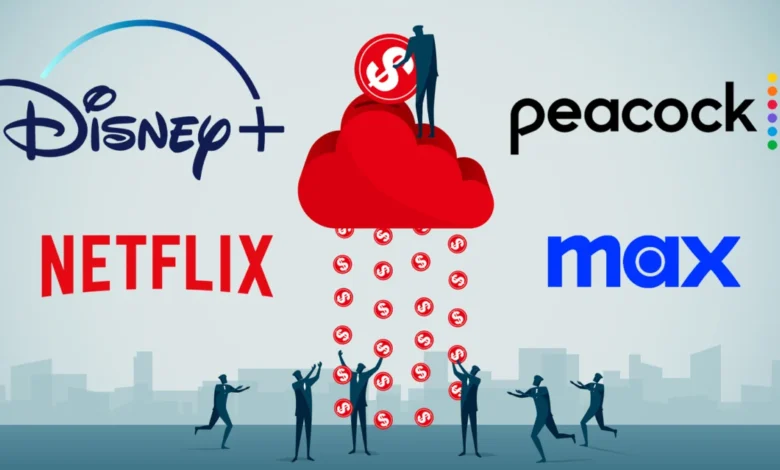
The landscape of digital entertainment has undergone a profound transformation, characterized by a relentless climb in subscription prices that has left many consumers reassessing their monthly household budgets. Over the summer of 2026, major platforms including Apple TV and Peacock implemented significant rate hikes, signaling that the era of inexpensive, "pure-play" streaming is firmly in the rearview mirror. This trend follows a broader pattern of price adjustments across the industry, with major players like Netflix, Max, and Disney+ aggressively recalibrating their pricing models to combat rising content production costs, inflation, and the necessity of achieving long-term profitability.
According to data from research firm Antenna, prices for both ad-supported and ad-free streaming tiers have surged by an average of more than 20% since 2023. This rapid escalation stands in stark contrast to the early years of the streaming boom, when services like Disney+ entered the market with low-cost, ad-free offerings intended to rapidly capture market share. Today, the focus has shifted from subscriber acquisition at any cost to the optimization of Average Revenue Per User (ARPU).
A Chronology of the Price Surge
The current inflationary environment for streaming is not an isolated event but the result of a multi-year strategy to normalize pricing. The catalyst for this shift was largely driven by Wall Street’s demand for sustainable balance sheets.
As of March 2026, Netflix executed a comprehensive price increase across all its subscription tiers. The Standard with Ads tier saw its monthly fee rise to $8.99, while the Standard tier jumped to $19.99 per month. The Premium plan, which offers 4K resolution and high-fidelity audio, reached $26.99 per month. These moves were met with approval from investors, who view the price hikes as a testament to the platform’s "must-have" status, particularly as it continues to integrate high-profile live events, such as WWE Raw and various NFL broadcasts, into its library.
In the summer of 2025, HBO Max—which had reverted to its original branding—implemented a price hike across its portfolio. Peacock similarly saw a dramatic shift in its pricing architecture throughout 2025 and 2026, reaching a peak in August 2026 when it raised its Select tier to $8.99 and its Premium tier to $12.99 per month.
The Rise of the Ad-Supported Tier
A defining feature of the current market is the industry-wide pivot toward hybrid models. Platforms that once prided themselves on being "ad-free" are now actively funneling subscribers toward lower-cost tiers that include commercial interruptions. This dual-revenue stream—collecting both subscription fees and advertising dollars—is viewed by executives as the most viable path to offsetting the billions of dollars spent on original content and licensed sports rights.
Netflix has been particularly transparent about its strategy to nudge users toward its ad-supported tier. By keeping the price of this tier significantly lower than its ad-free counterparts, the company effectively manages churn while capturing revenue from advertisers who are eager to reach the platform’s massive, highly engaged audience.
Deep Dive: Individual Platform Updates
Apple TV
Following a quiet rebranding that saw the removal of the "+" sign in October 2025, Apple TV has seen its pricing trajectory climb steadily. Originally launching in 2019 at $4.99 per month, the service has more than tripled its cost in less than seven years. As of August 2026, the monthly rate is $14.99, with an annual subscription now costing $119. Despite these increases, Apple has utilized strategic, limited-time offers—such as the $2.99/month promotional deal offered in the spring of 2026—to retain subscribers following the conclusion of high-profile series like Severance.
Disney+ and Hulu
Disney has maintained an aggressive pricing strategy, implementing four price hikes in four years. As of October 2025, the ad-supported Disney+ tier reached $11.99 per month, while the ad-free version sits at $18.99. The company has also introduced strict measures to curb password sharing, mirroring the successful tactics employed by Netflix. Furthermore, the integration of Hulu and Disney+ into a single ecosystem has allowed the company to offer bundled discounts, such as the March 2026 promotion that slashed bundle pricing by over 60% for a limited time to capture new market segments.
Peacock
Peacock’s evolution from a service that once offered a free, ad-supported tier to a premium-only subscription model reflects the maturation of NBCUniversal’s streaming strategy. The current tiers—Select, Premium, and Premium Plus—are designed to segment the audience based on their tolerance for commercials and desire for specific content like live sports. The most recent price increase in August 2026 underscores the company’s commitment to monetizing its growing library of original series and live entertainment.
Prime Video and Bundled Add-Ons
Amazon’s approach is unique due to its integration with the broader Prime membership. While Prime Video remains accessible as a standalone service for $8.99 per month, the company has increasingly pushed its "Prime Video Ultra" ad-free experience. In April 2026, the premium for ad-free viewing increased to $4.99 on top of the base subscription, marking another step in the industry’s trend of making ad-free consumption a luxury add-on rather than the default standard.
The Consolidation of Content: Bundles and Partnerships
As individual subscription prices rise, consumer fatigue has prompted a resurgence in bundling. Recognizing that the "siloed" approach of individual services can be cost-prohibitive for the average family, media companies are increasingly forming strategic alliances.
The Comcast "StreamSaver" bundle, which aggregates Apple TV+, Netflix, and Peacock for a flat monthly fee, represents a return to a cable-like model, albeit one delivered via broadband. Similarly, the partnership between Apple TV and Peacock, which launched in late 2025, offers consumers a 30% discount compared to purchasing the services individually. This trend is expected to continue as platforms look to reduce churn by becoming part of a "stickier" ecosystem.
Broader Economic Implications
The surge in streaming costs mirrors the broader inflationary pressures seen across the U.S. economy. Just as the costs of groceries, energy, and housing have climbed, the "entertainment basket" has become significantly more expensive. For the average consumer, this necessitates a more active approach to subscription management. Many users are now opting for "rotation"—subscribing to a service only for the duration of a specific show’s season and canceling immediately afterward.
Analysts suggest that this behavior is forcing platforms to invest more heavily in "evergreen" content and live events. Because live sports and reality television create appointment-style viewing, they are considered more effective at preventing subscriber churn than static libraries of scripted dramas. This explains the recent influx of live sports—including WWE, NFL, and MLB—onto platforms like Netflix, Peacock, and Amazon Prime.
Looking Ahead: The Sustainability Question
The streaming industry is currently in a phase of market correction. The initial period of irrational spending and low-cost growth has given way to a focus on margin expansion and operational efficiency. While consumers are understandably frustrated by the rising costs, industry experts argue that the prices were artificially suppressed for years.
"The industry was operating on a loss-leader model that was never going to be permanent," says one industry analyst. "We are now seeing the true cost of producing and distributing high-quality, on-demand content."
Looking forward, the market is likely to see further consolidation. As evidenced by the merger-related discussions involving Paramount+ and the integration of BET+ into the Paramount ecosystem, the number of standalone services may shrink. For the consumer, this may lead to a more streamlined—albeit more expensive—digital experience, where a few dominant "super-bundles" provide the bulk of entertainment.
Ultimately, while the price of individual subscriptions continues to rise, the value proposition for the consumer remains tied to content quality and accessibility. As long as platforms continue to deliver high-value, exclusive programming, they maintain the leverage to pass costs on to the viewer. However, the limit to this pricing power will be tested as households reach their maximum capacity for recurring monthly expenses, likely driving further innovation in ad-supported models and cross-platform partnerships throughout 2027 and beyond.