The Perilous Genesis of Aliens: How James Cameron’s Sci-Fi Masterpiece Battled Studio Indecision and Near-Annihilation

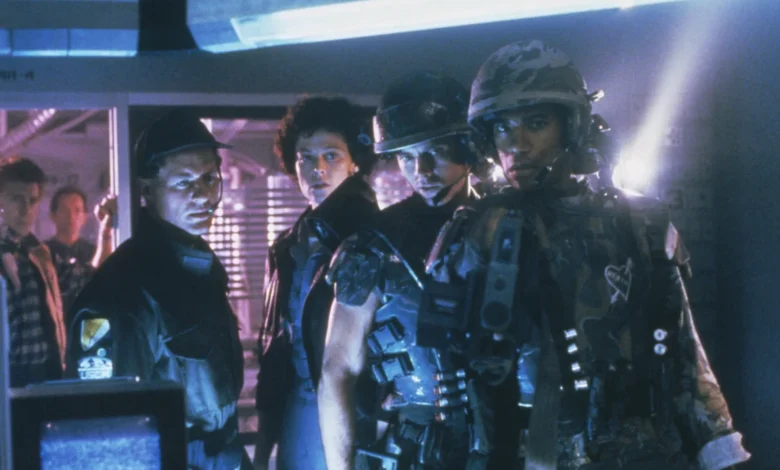
The journey of James Cameron’s 1986 science fiction action masterpiece, "Aliens," from a nascent concept to a cinematic icon was a saga fraught with studio indecision, creative clashes, and near-death experiences that could rival the film’s own harrowing plot. While critically lauded and widely considered one of the greatest sequels ever made, its very existence was a testament to perseverance against the often-unpredictable currents of Hollywood. This article delves into the tumultuous production, exploring the critical decisions, financial gambles, and sheer force of will that ultimately cemented "Aliens" as a genre-defining triumph, shifting the "Alien" franchise from pure horror to a thrilling blend of terror and high-octane sci-fi action.
A Genre Shift: From Terror to Exhilaration
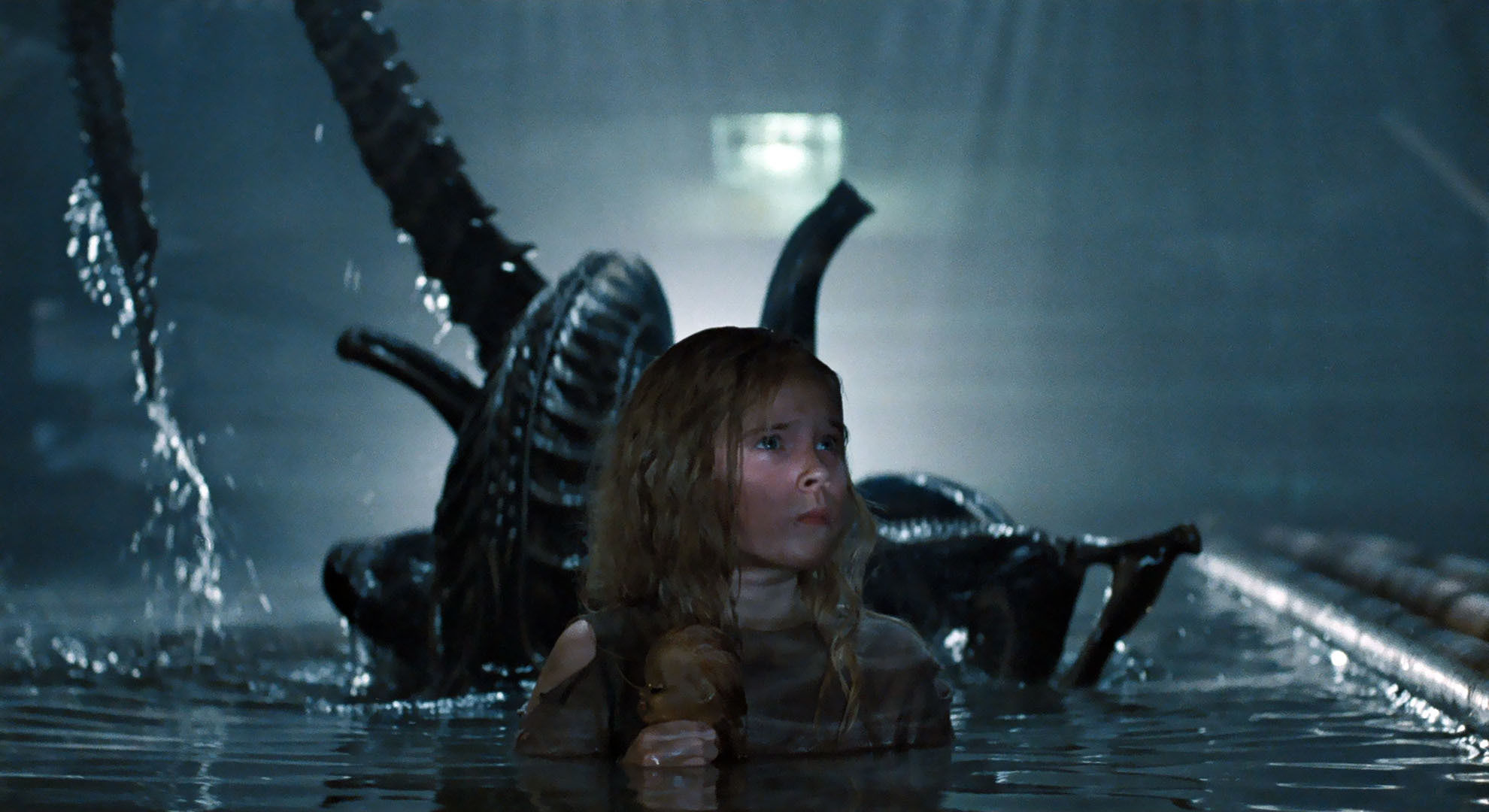
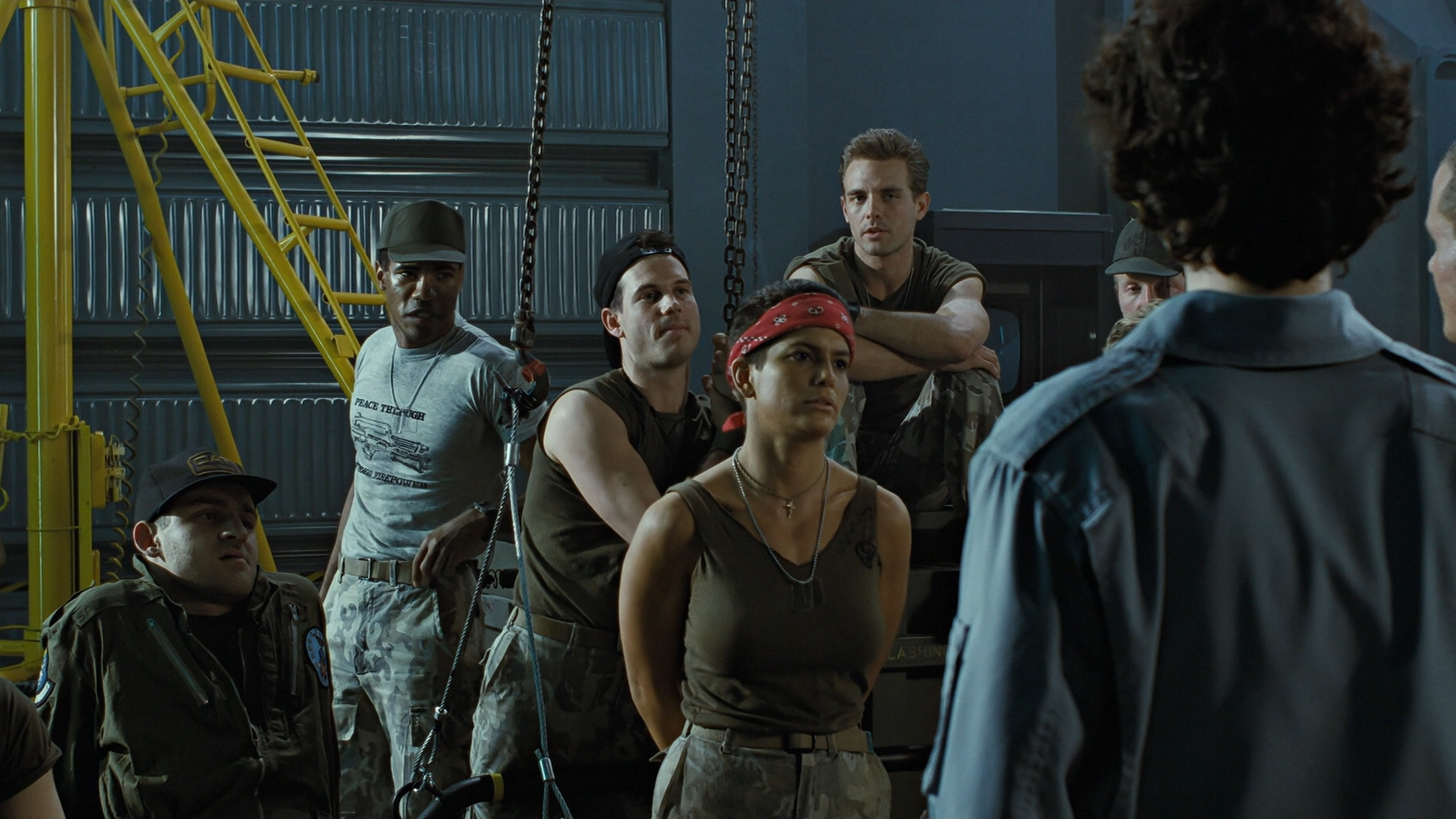
James Cameron himself articulated his vision for the sequel, differentiating it from Ridley Scott’s claustrophobic, dread-infused original. In an interview with Lofficier, Cameron stated, "the plan always was to do a film that was not as scary… it’s scary, but it’s not as scary, but more intense, and I like to use the word, exhilarating. Because I think you get exhilarated by the intensity of the kind of action that’s in this film." This conscious decision to pivot the franchise’s tone was a significant gamble, moving away from the psychological terror that defined "Alien" and embracing a more bombastic, military-focused approach. This shift was not merely stylistic; it was a narrative imperative. Ellen Ripley, having survived the singular horror of the Xenomorph in the first film, was now tasked with facing an entire nest of them. This necessitated a different kind of protagonist and a different kind of conflict, one that would allow for a larger scope and more dynamic set pieces. The introduction of the Colonial Marines, while ultimately proving to be a less-than-stellar fighting force, provided the framework for this more action-oriented narrative.

The Shadow of the Original: A Sequel in Doubt
The path to "Aliens" was surprisingly rocky, a stark contrast to the confidence the film now exudes. Despite the commercial success of the 1979 original, "Alien," which grossed an impressive $104 million worldwide against a modest $11 million budget, 20th Century Fox found itself in a peculiar financial bind. Hollywood’s intricate accounting practices often obscured true profitability, and paradoxically, "Alien" was, by some internal metrics, deemed not profitable enough to warrant an immediate sequel. This financial ambiguity led to years of uncertainty for the burgeoning franchise.
The studio’s hesitancy was so profound that, at one point, they reportedly considered selling the rights to the "Alien" franchise. The potential buyers? The producers behind the "Rambo" franchise. This almost surreal proposition conjures images of John Rambo, armed with his signature bow and knife, battling hordes of Xenomorphs, set to the thundering, iconic score of Jerry Goldsmith. While a fascinating hypothetical, it underscores the desperate measures and the lack of clear vision at Fox regarding the future of their space-faring horror property.
Cameron’s Vision Takes Shape: The 1983 Treatment
The critical turning point came with the emergence of James Cameron as a directorial force following the success of "The Terminator" in 1984. His reputation for delivering compelling narratives and innovative action sequences made him an attractive, albeit potentially demanding, candidate to helm a sequel. In 1983, Cameron, working with then-girlfriend and future wife Gail Anne Hurd, drafted a comprehensive 45-page treatment for "Alien II." This document, which can be accessed online, laid out the fundamental plot points and thematic elements that would eventually define "Aliens." It introduced the concept of a full-blown Xenomorph infestation on LV-426 and Ripley’s return, not as a victim, but as a seasoned survivor forced into action.

However, even this meticulously crafted proposal initially met with resistance from 20th Century Fox. The studio, still grappling with its perceived lack of financial return from the first film, reportedly viewed Cameron’s vision with skepticism, further fueling speculation that they were searching for reasons not to greenlight the project. It was during this period that producer Larry Gordon emerged as a crucial advocate, tirelessly championing the sequel within the studio’s executive suites and convincing reluctant decision-makers of the franchise’s untapped potential.
The Budget Battle: A Million-Dollar Standoff
With Cameron officially attached as writer-director and Hurd as producer, the production faced its next significant hurdle: budget. In 1985, as pre-production began to ramp up, a stark disagreement arose over the film’s financial requirements. Cameron’s team estimated a budget of $15.5 million, a figure they deemed reasonable for the ambitious scope of the project. Fox, however, projected a far higher cost, estimating it would reach $35 million. This substantial disparity led to a tense standoff.
Fox initially offered a meager $12 million, a figure so low that Cameron and Hurd famously walked away from the project. "We walked out and said, ‘Thanks, we’ll do something else,’" Cameron recounted to the Los Angeles Times. This moment of brinkmanship highlighted the studio’s continued financial apprehension and the filmmakers’ unwavering commitment to their vision. It was once again producer Larry Gordon who intervened, successfully negotiating with Fox executives to secure the necessary funds, bridging the gap between the filmmakers’ needs and the studio’s concerns. This financial compromise, though hard-won, finally allowed "Aliens" to move forward with production.
The Ripley Conundrum: Sigourney Weaver’s Pivotal Role
Perhaps the most dramatic and potentially fatal crisis during the development of "Aliens" revolved around the central character, Ellen Ripley, and the actress who embodied her, Sigourney Weaver. In a decision that now seems unfathomable, Fox executives reportedly suggested proceeding with a sequel without Sigourney Weaver. This proposition, reminiscent of the kind of creative compromises seen in lesser direct-to-video sequels, threatened to derail the entire endeavor.
Cameron was operating under the assumption that Weaver was contractually obligated to reprise her role. However, this was not the case. The task then fell to Cameron to personally convince Weaver to return. He met with the actress, and while the initial conversation seemed promising, Weaver’s agents demanded a significant salary increase, a demand that Fox refused. In response, Cameron and Hurd, demonstrating their unwavering commitment to the character and Weaver’s performance, once again walked away from the project. They refused to make "Aliens" without Ripley.
In a masterful display of strategic maneuvering, Cameron employed a clever gambit to break the impasse. He revealed years later in a GQ interview that Weaver shared the same talent agency as Arnold Schwarzenegger. Cameron contacted Schwarzenegger’s agent and fabricated a story, claiming he was about to begin rewriting the "Aliens" script to completely remove Ripley’s character. The news, as Cameron predicted, spread like wildfire through the agency. Faced with the imminent loss of their star character and the potential demise of the franchise, the agents swiftly brokered a deal. "The deal was done in 12 hours after that," Cameron recalled. "So I never wrote a word of that hypothetical story that I said I was gonna do, that I had no intention of writing anyway. So anyway, it worked, and Sigourney got her million bucks, and everybody was happy." This clever negotiation secured Weaver’s return and, crucially, her salary, which was reportedly around $1 million, a substantial sum that reflected her integral role in the franchise’s success.
A Relatively Smooth Production, A Tense Edit
Once these significant pre-production hurdles were cleared, the actual filming of "Aliens" in 1985 proved to be remarkably efficient. The production adhered to its schedule and largely stayed within its revised budget, a testament to Cameron’s disciplined approach to filmmaking. The studio, having invested heavily, largely allowed Cameron and his team the creative freedom to execute their vision.
The primary point of contention arose during the post-production editing phase. 20th Century Fox, eager to maximize theatrical screenings and thus potential box office revenue, pushed for a runtime of approximately two hours. Cameron, while initially agreeing to cut some scenes, found that further reductions would compromise the film’s narrative integrity and impact. He argued that any additional cuts would "destroy the story and damage the integrity of the movie." This time, the studio relented, recognizing the filmmaker’s conviction and the potential risk of damaging the final product. The theatrical cut, while slightly shorter than Cameron’s preferred director’s cut, maintained the film’s propulsive energy and relentless pacing.
The Enduring Legacy: A Blueprint for Sci-Fi Action
The critical and commercial success of "Aliens" was undeniable. It garnered widespread critical acclaim, with renowned critic Roger Ebert hailing it as "a superb example of filmmaking craft." Financially, the film proved to be a massive hit, grossing over $131 million in the United States and $183 million worldwide. This success firmly established the "Alien" franchise as a powerhouse, and more importantly, it redefined the parameters of science fiction action cinema.
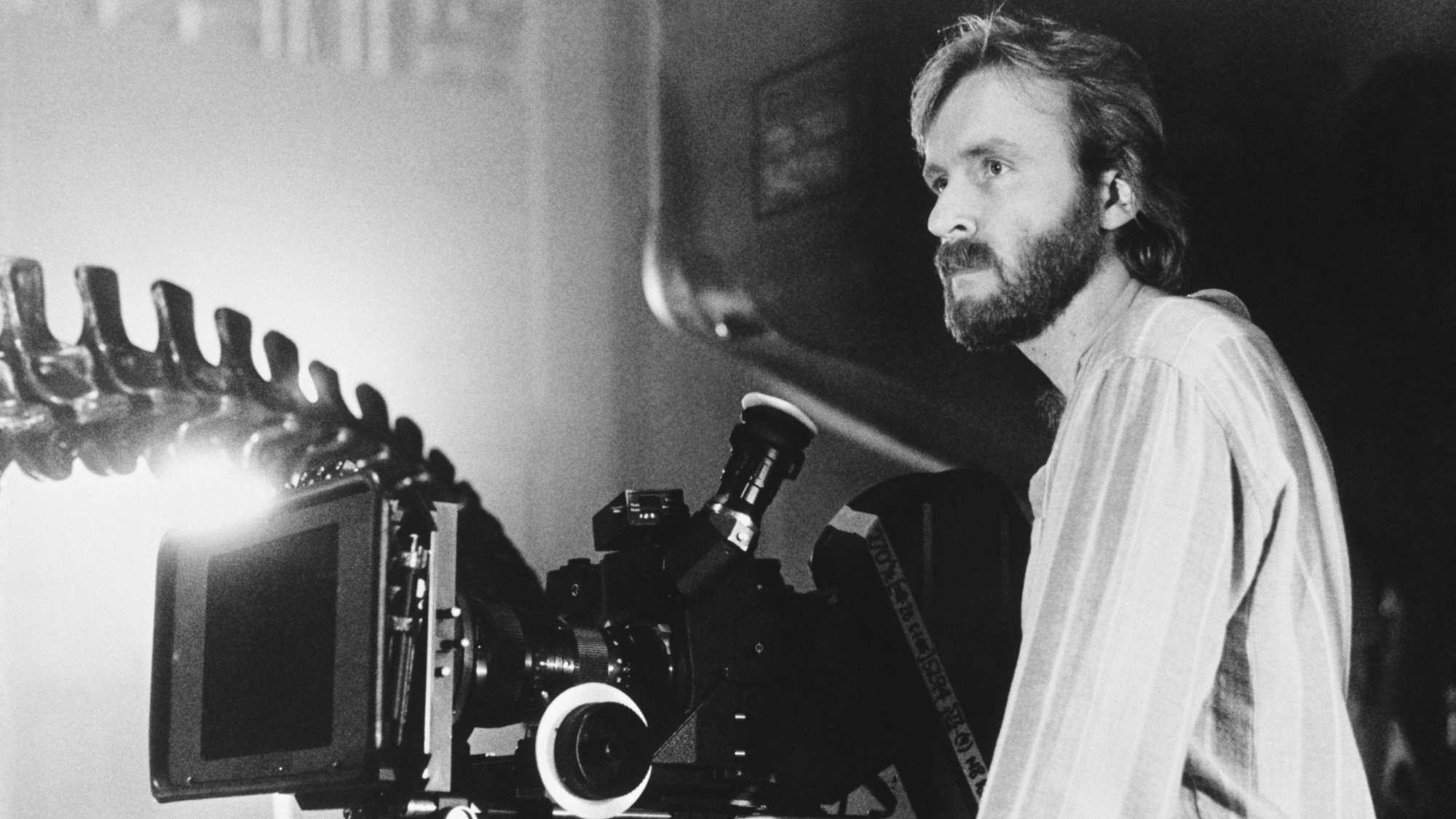
"Aliens" became the blueprint for subsequent entries in the series, moving away from the pure horror roots of "Alien" and embracing a more action-oriented, military-infused narrative. While the element of survival remained, the protagonists were now equipped with the means to fight back, to engage in visceral combat with the Xenomorphs. This shift in tone and approach proved to be a masterstroke, broadening the franchise’s appeal and cementing its place in cinematic history. The film demonstrated that sequels could not only live up to their predecessors but also boldly forge their own distinct identity.
Looking back, the near-collapse of "Aliens" serves as a potent reminder of the volatile nature of the film industry. The struggles with studio indecision, financial anxieties, and crucial casting decisions illustrate that even the most iconic films often emerge from a crucible of doubt and conflict. The story of "Aliens" is a testament to the power of creative vision, unwavering determination, and the strategic brilliance required to navigate the labyrinthine corridors of Hollywood, ultimately proving that sometimes, the greatest triumphs are born from the most perilous beginnings. The film’s enduring impact is a powerful testament to James Cameron’s directorial prowess and the indelible mark Sigourney Weaver’s Ellen Ripley left on the science fiction landscape.