Sunshine Versus Project Hail Mary: Divergent Approaches to Saving Humanity from Solar Catastrophe

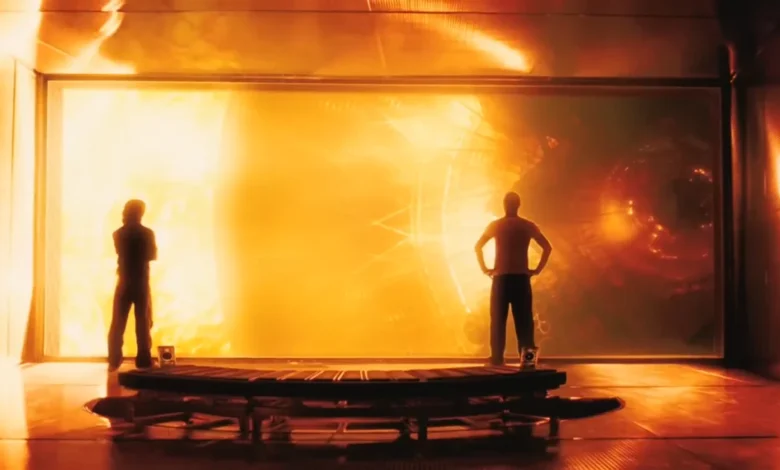
The dramatic premise of a dying sun threatening Earth, as depicted in recent cinematic endeavors, has ignited a fascination with humanity’s potential responses to such existential crises. While "Project Hail Mary," with its optimistic tone and unlikely interstellar friendship, has captured the imagination of audiences, it’s crucial to revisit a cinematic precursor that tackled a similar apocalyptic scenario with a starkly different, and arguably more grounded, approach: Danny Boyle’s 2007 science fiction thriller, "Sunshine." Despite both films centering on imminent solar catastrophes, their methodologies for averting global extinction diverge significantly, offering a compelling comparison of narrative choices and thematic explorations within the sci-fi genre.
"Project Hail Mary," lauded for its uplifting narrative, humor, and the development of one of contemporary cinema’s most memorable on-screen bromances, presents a vision of hope and ingenuity. In contrast, "Sunshine" embarks on an unashamedly somber and psychologically charged journey. Drawing heavily from the atmospheric tension and claustrophobia that defined Ridley Scott’s seminal "Alien," Boyle’s film chronicles the perilous mission of an eight-person crew aboard the spacecraft Icarus II. Their objective: to reignite a dying sun before Earth succumbs to an irreversible ice age. However, the mission quickly spirals into a harrowing descent into psychological horror, with internal conflicts and external threats mirroring the terrifying isolation of their cosmic undertaking. The film’s tone is decidedly bleak, punctuated by moments of profound dread rather than levity, a far cry from the more buoyant escapades of Ryland Grace and Rocky.
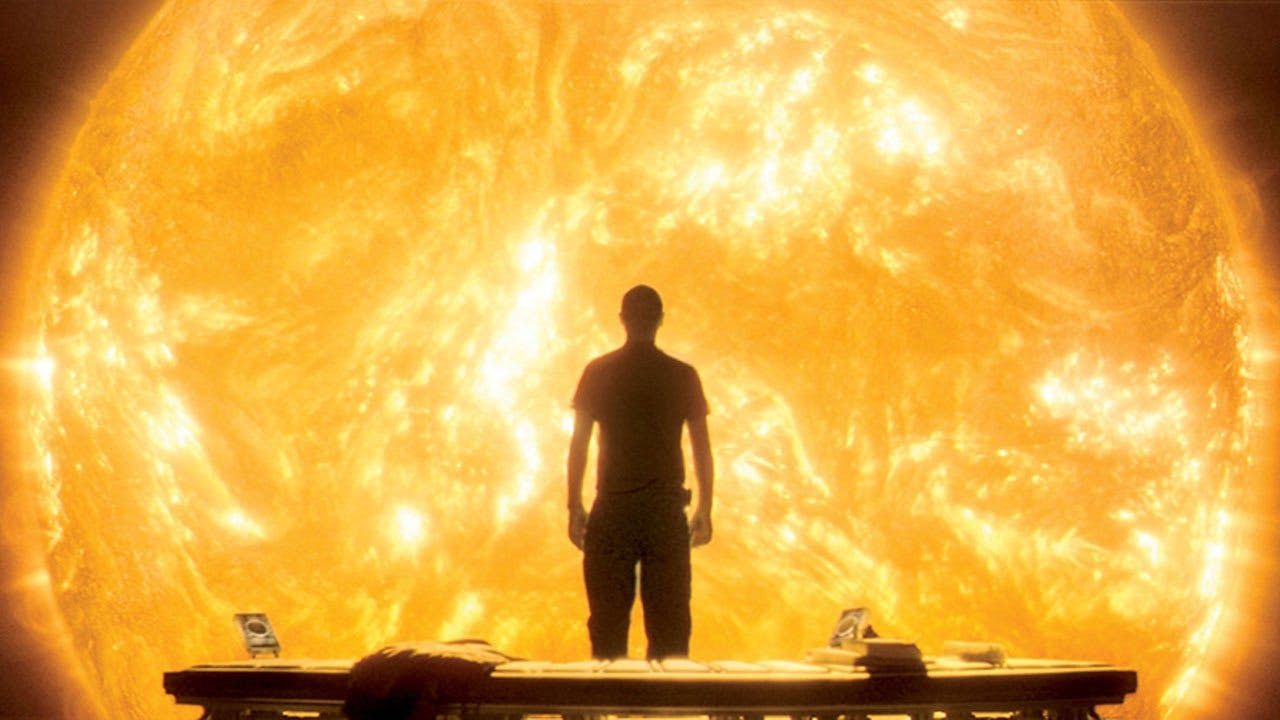
The Genesis of a Solar Apocalypse in "Sunshine"
The narrative of "Sunshine" is rooted in a terrifying, albeit scientifically plausible, scenario: the sun’s fusion reactions are inexplicably slowing, leading to a catastrophic global cooling event. This concept, while fantastical in its scope, was meticulously crafted to resonate with scientific understanding, a testament to the film’s commitment to a degree of realism. Director Danny Boyle, known for his distinctive visual style and penchant for exploring the darker aspects of human nature, had previously expressed a preference for the gritty, suspenseful storytelling of films like "Alien" over more overtly fantastical space operas. This inclination is palpable in "Sunshine," where the chilling threat of a dying star serves as the backdrop for a deeply human drama.
The script, penned by Alex Garland, a frequent collaborator of Boyle’s, particularly on the zombie-apocalypse thriller "28 Days Later," skillfully borrows elements from the "Alien" playbook. These influences are evident in scenes depicting crew members grappling with stress during tense discussions around a mess table, and in the fateful decision to investigate a distress signal – a narrative trope that, in both films, portends dire consequences. While "Sunshine" eschews the biological horrors of the Xenomorph, it substitutes them with the overwhelming, existential dread of a cosmic entity gone awry: our own sun.
Scientific Underpinnings and Creative Liberties
To lend credence to its dire premise, "Sunshine" enlisted the expertise of renowned physicist Professor Brian Cox. Cox, who would later achieve widespread fame for his television documentaries on cosmology and physics, played a crucial role in developing the film’s scientific rationale. He proposed a theoretical explanation for the sun’s decay: the intrusion of a "Q ball," a hypothetical, dense clump of supersymmetric particles, into the solar core. According to Cox, this Q ball would slowly consume the sun’s fuel, leading to its dimming and eventual demise.
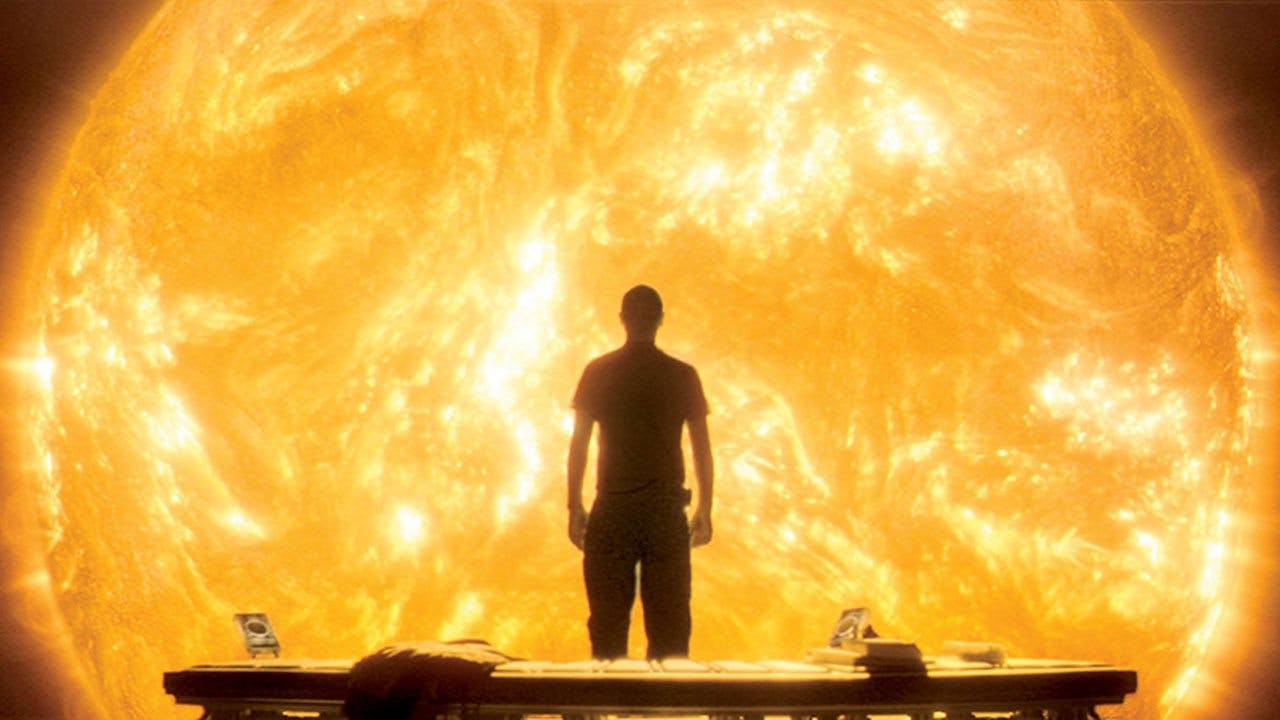
"Our backstory for the Sun dying is that a large blob of supersymmetric particles called a Q ball has drifted into the solar core, and is slowly eating it away," Cox explained to The Telegraph in April 2007, prior to the film’s release. "Our Sun is not dense enough to stop a Q ball: it would fly straight through. But the general idea is that there is a lot of stuff in the universe that is not the familiar matter that we are made of, and there are theories in which this stuff is not entirely benign." This scientific grounding, however speculative, provided a sophisticated layer to the film’s narrative, distinguishing it from more purely fantastical space adventures.
The film’s visual aesthetic and its thematic explorations were also influenced by a desire for creative control. Boyle and Garland, having achieved significant success with "28 Days Later," leveraged that credit to secure greater artistic freedom for "Sunshine." "We used the money that we’d made with ’28 Days Later’, and the credit that gets you with the studio, to actually make a bigger, more ambitious film," Boyle stated in a 2007 Guardian Q&A. "We got the maximum that we could get out of them that still left us with control of the film, and we could cast who we wanted in it." This empowered them to assemble a cast of rising stars, many of whom would go on to achieve significant acclaim.
An Ensemble of Future Stars
The cast of "Sunshine" reads like a who’s who of contemporary Hollywood talent, many of whom were relatively unknown at the time of the film’s production in the summer of 2005. Cillian Murphy, who would later become a household name for his role as Tommy Shelby in "Peaky Blinders" and for his Oscar-winning performance in "Oppenheimer," starred as chief physicist Robert Capa. His prior work in "28 Days Later" had already established his presence. Hiroyuki Sanada, a respected actor with a long career in Japanese cinema, brought gravitas to his role, having previously impressed audiences in "The Last Samurai." Michelle Yeoh, a veteran of action cinema and a future Oscar winner, lent her formidable presence to the crew.
Notably, Chris Evans, who would later achieve global superstardom as Captain America in the Marvel Cinematic Universe, was still awaiting his breakout role as the Human Torch in "Fantastic Four" when he joined the "Sunshine" ensemble. Other cast members who have since become prominent figures in Hollywood include Rose Byrne, Cliff Curtis, and Benedict Wong. Boyle intentionally cast actors who were not yet major movie stars, explaining that this allowed for a more unpredictable narrative. "We didn’t have to cast really big movie stars," he said. "It’s one of those weird freeing things, like with horror films. It tends to be better if everybody is equal, so you don’t know what order they’re going to get killed, so you can kill them literally however you want." This approach heightened the suspense and allowed the audience to become more invested in the crew’s individual fates.
The Mission and Its Descent into Horror
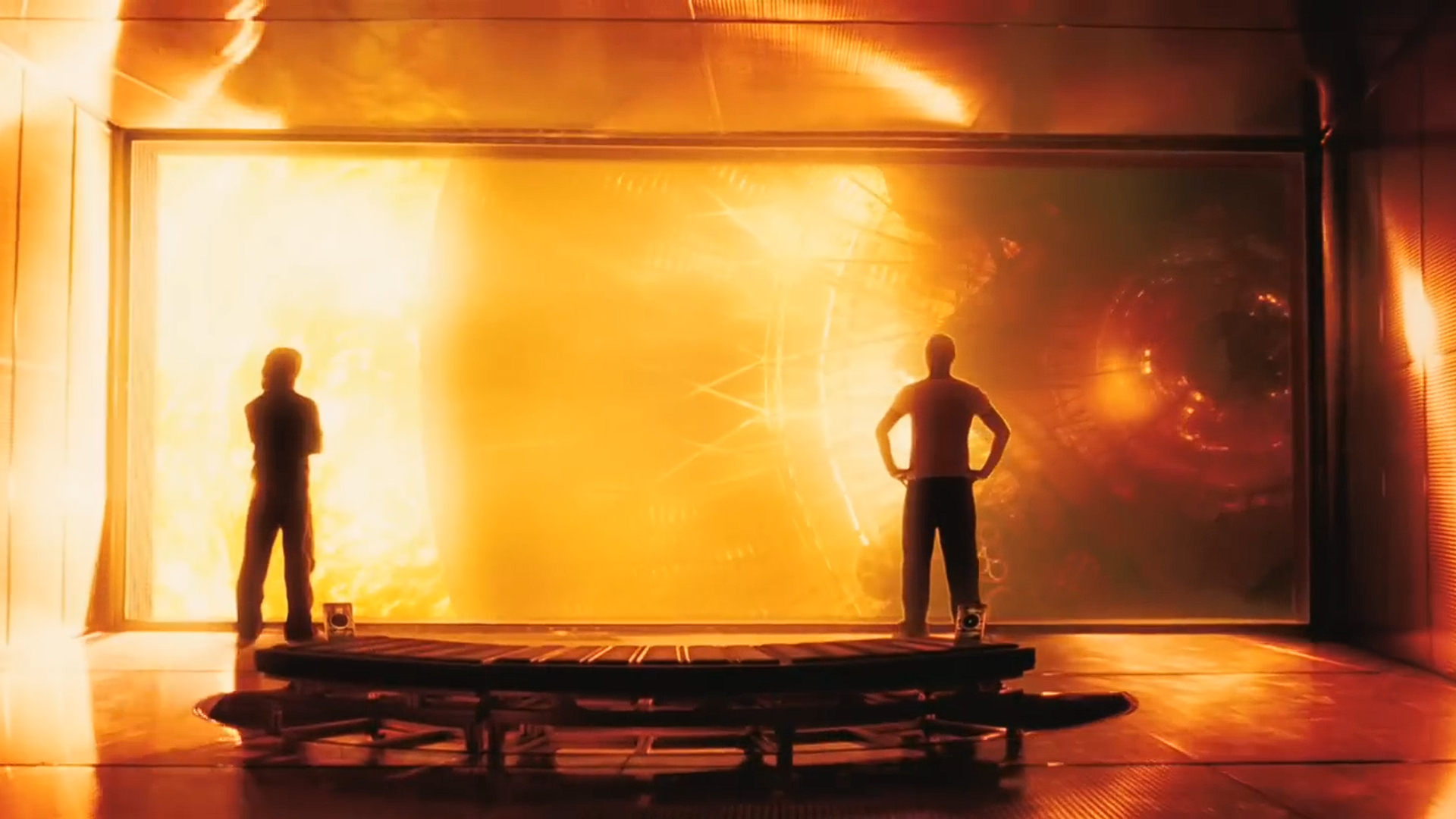
The mission of the Icarus II is to deliver a colossal bomb, with a mass equivalent to Manhattan Island, to the sun. This device is designed to reignite the star’s failing fusion processes, thereby averting Earth’s descent into a frozen wasteland. The crew, comprised of specialists in various fields, embarks on a journey that is fraught with peril from the outset. Sixteen months into their mission, tensions are already high, a testament to the psychological toll of prolonged isolation in deep space.
The critical turning point in the narrative occurs when the crew of Icarus II encounters a distress signal from the original Icarus, a mission declared lost seven years prior. Against better judgment, and driven by the desperate hope of salvaging the mission’s payload, they divert course to the derelict spacecraft. This decision, championed by physicist Robert Capa who reasoned that "two last hopes are better than one," initiates a catastrophic chain of events.
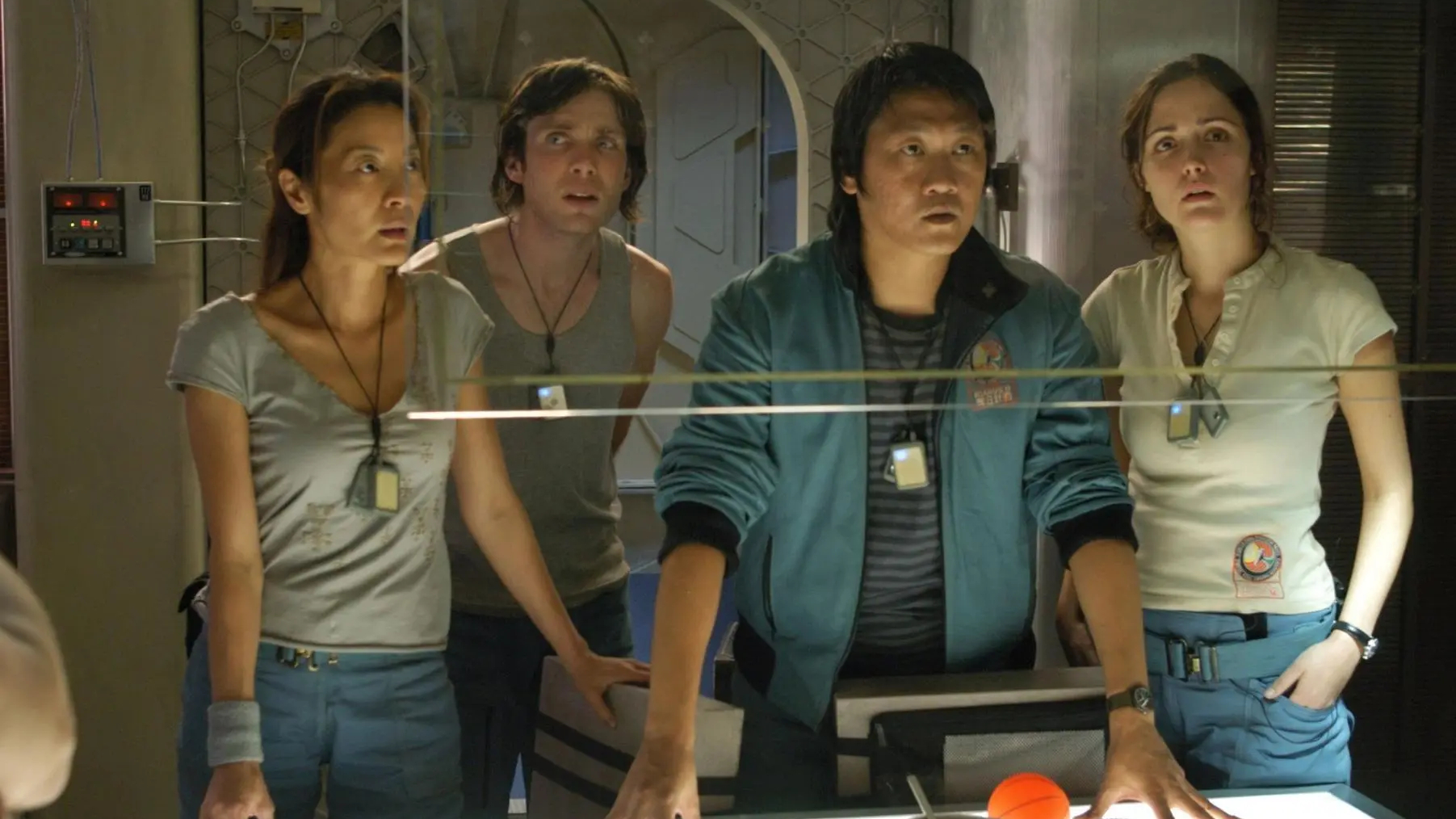
A critical error is made by navigator Trey (Benedict Wong), who fails to readjust the ship’s massive heat shields after altering their course. This oversight results in devastating heat damage to the Icarus II, rendering their mission irrevocably a one-way trip. This development forces the crew to confront the grim reality of their situation, leading to agonizing discussions about who must be sacrificed to conserve oxygen for the remaining astronauts.
The derelict Icarus also harbors a terrifying secret. Its commanding officer, Captain Pinbacker (Mark Strong), who had been presumed dead, is revealed to be a homicidal maniac. His descent into madness, fueled by a twisted religious fervor, transforms him into a relentless antagonist, stalking the corridors of the abandoned ship. The film’s shift towards this overt horror element has been a point of contention for some critics, drawing comparisons to films like "Event Horizon," another space-set horror film that explored themes of madness and cosmic dread. Pinbacker’s chilling declaration, "For seven years I spoke with God. He told me to take us to hell!" underscores the film’s delve into metaphysical terror, a departure from its earlier focus on scientific plausibility.
Thematic Divergence: Hope vs. Dread
The fundamental difference between "Sunshine" and "Project Hail Mary" lies in their thematic core. "Project Hail Mary" embodies a spirit of optimistic problem-solving, emphasizing collaboration, ingenuity, and the profound bonds that can form between disparate beings in the face of overwhelming odds. Its narrative is propelled by a sense of wonder and the belief in humanity’s capacity to overcome any challenge through intelligence and empathy.
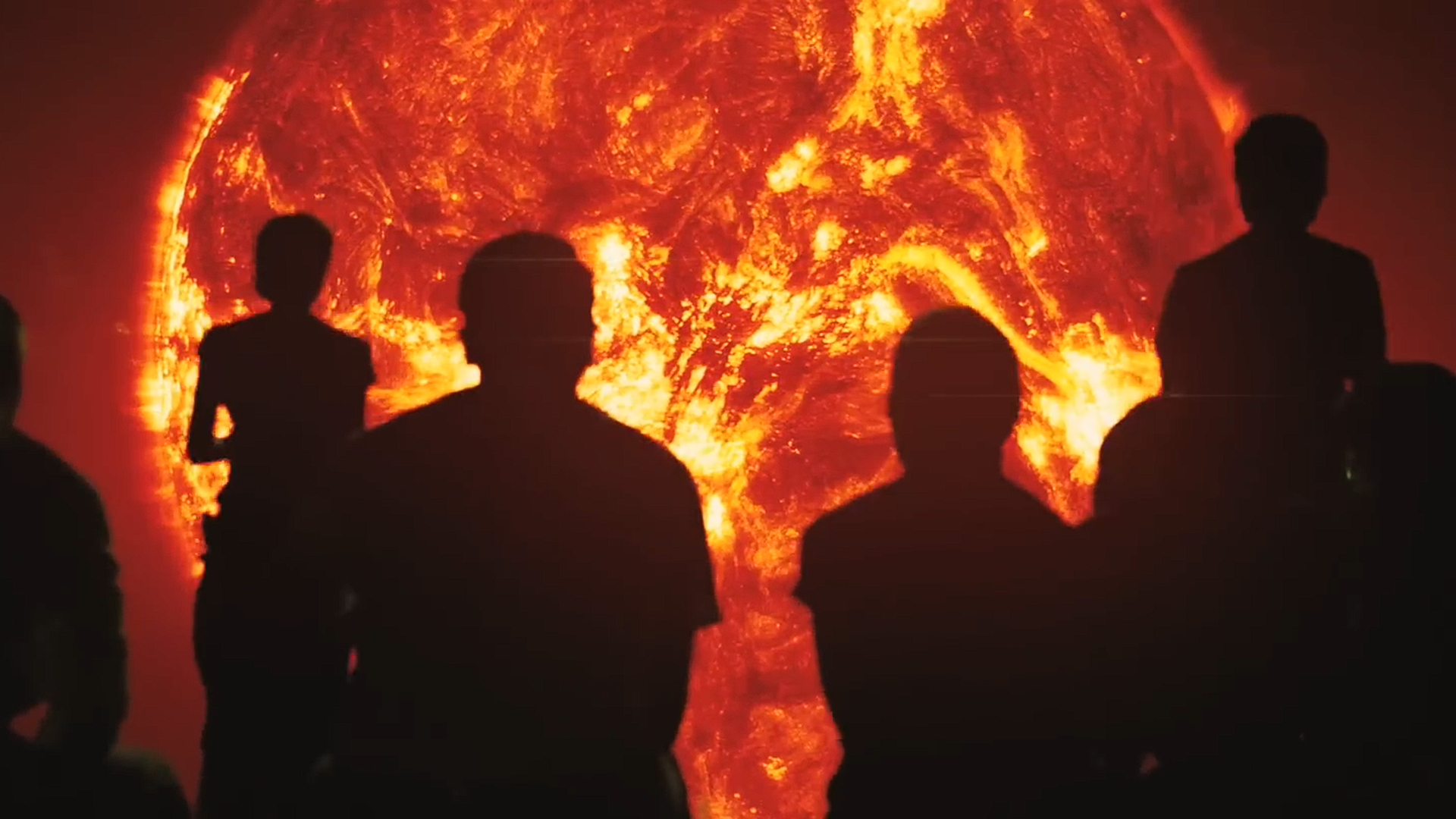
"Sunshine," on the other hand, presents a more cautionary tale. While it acknowledges the scientific and engineering marvels required for such a mission, it ultimately foregrounds the fragility of the human psyche under extreme duress. The film explores themes of faith, doubt, hubris, and the terrifying prospect of confronting not only external threats but also the darkness within oneself. The crew’s struggles are as much internal as they are external, as the immense pressure of saving humanity weighs heavily upon them, leading to paranoia, despair, and ultimately, violence.
The film’s exploration of the psychological effects of deep space travel and proximity to the sun is also noteworthy. As actor Cliff Curtis mused to Empire magazine at the time of the film’s release, "We have never gone any further than the Moon. One of the most unnatural things astronauts have experienced is being on the dark side of the Moon and unable to see Earth. Real astronauts had these experiences where they said they heard God’s voice. They saw something in space… We can’t possibly know the effects of travelling so close to the Sun." This sentiment highlights the unknown psychological frontiers that "Sunshine" sought to explore, pushing beyond the purely technical challenges of space travel to examine the profound human experience.
Legacy and Comparison
While "Sunshine" may not have achieved the same level of mainstream commercial success as some of its contemporaries, it remains a significant and thought-provoking entry in the science fiction canon. Its visual artistry, compelling performances, and ambitious thematic scope have cemented its status as a cult classic. Its exploration of a solar catastrophe, while grim, offers a stark counterpoint to the more hopeful narratives often found in science fiction.
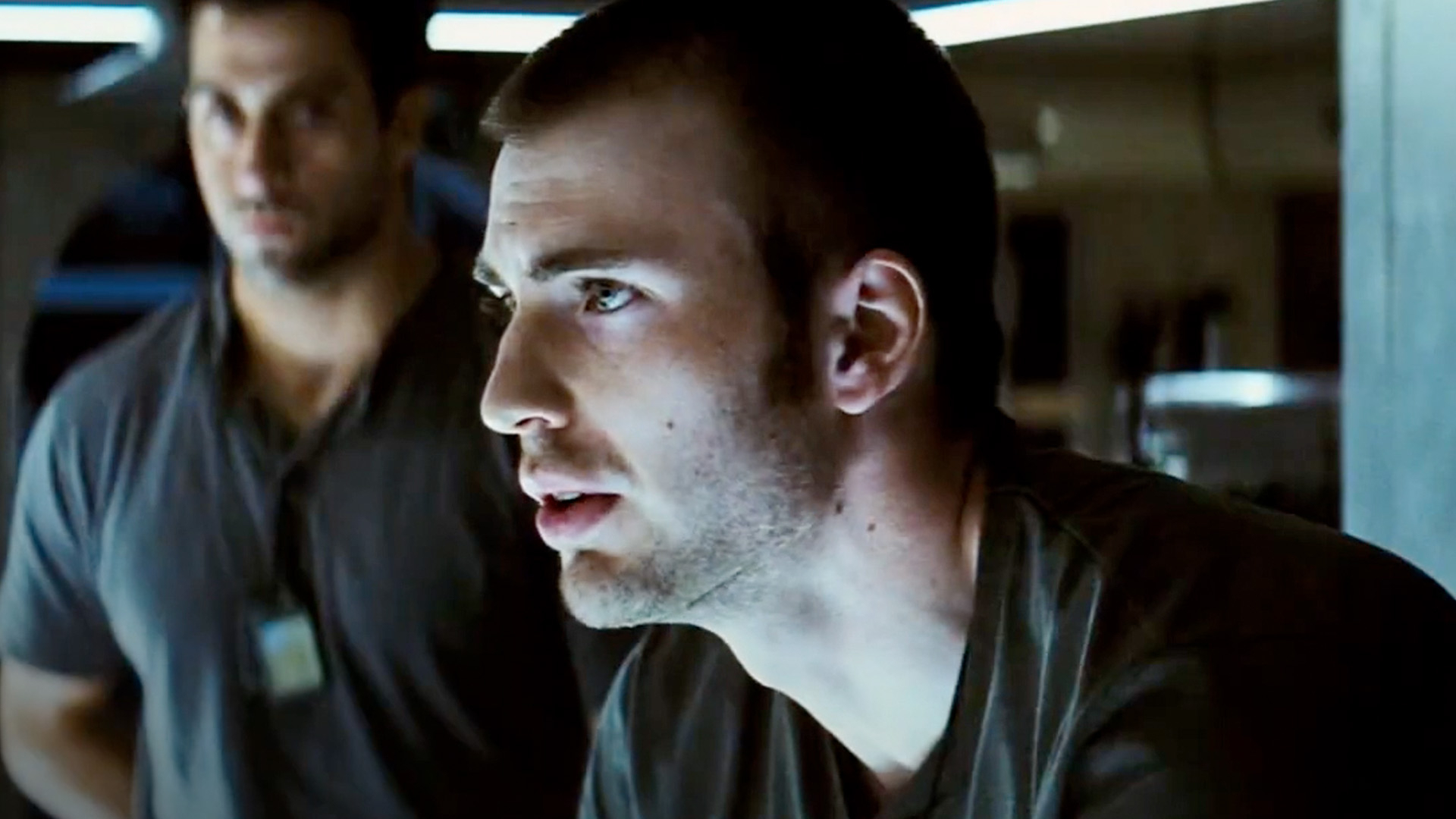
In comparing it to "Project Hail Mary," the divergence in their approaches is striking. Where "Project Hail Mary" offers a vision of human resilience and the power of connection, "Sunshine" delves into the terrifying abyss of human fallibility and the existential dread that can accompany the pursuit of salvation. Both films, however, serve as powerful reminders of humanity’s fascination with the cosmos and our enduring quest to understand our place within it, even as the universe presents us with challenges of unimaginable scale. The success of both films underscores a public appetite for stories that grapple with humanity’s potential demise and its capacity for survival, whether through scientific brilliance, unwavering hope, or sheer, desperate will.
"Project Hail Mary" is currently in theaters. "Sunshine" is available to stream on Disney+ in the UK and for rent or purchase on digital platforms in the US.