Gangnam Style’s Viral Phenomenon Reaches Six Billion YouTube Views, Cementing K-Pop’s Global Dominance

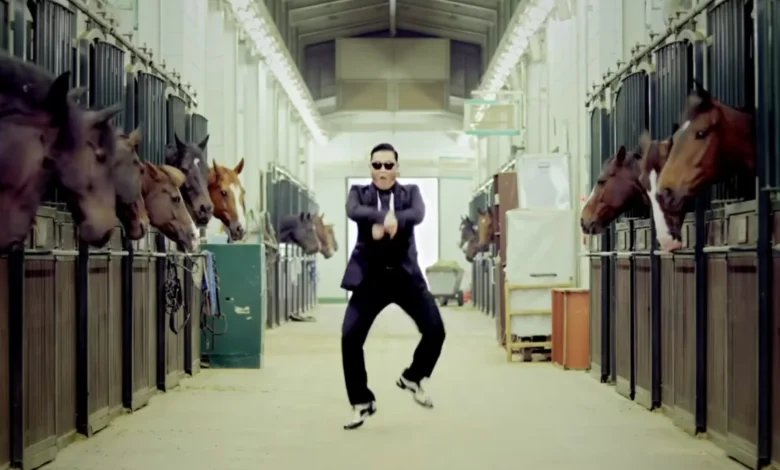
Fourteen years after its initial upload, PSY’s iconic music video for “Gangnam Style” has achieved an unprecedented milestone, becoming the first K-pop video to surpass six billion views on YouTube. This monumental achievement, as of Monday, July 20, underscores the song’s enduring global appeal and its pivotal role in paving the way for the widespread international success of contemporary K-pop acts like BTS and BLACKPINK. The humorous and energetic visual, directed by Cho Soo-Hyun, continues to captivate audiences worldwide, solidifying its place as a cultural touchstone.
A Global Phenomenon Ignites
The “Gangnam Style” music video, released on July 15, 2012, quickly transcended language barriers and cultural divides, becoming a viral sensation unlike any music video before it. Its quirky narrative, featuring the South Korean superstar PSY engaging in a series of absurd yet memorable scenarios – from his signature horse-riding dance in a stable to impromptu performances in various urban settings – resonated with a global audience. The video’s distinct visual style and infectious beat, coupled with PSY’s charismatic performance, made it an instant internet phenomenon.
The song itself, released as part of PSY’s sixth studio album, PSY 6 (Six Rules), Part 1, became a commercial powerhouse. It peaked at number two on the Billboard Hot 100 chart in 2012, a remarkable feat for a non-English language song at the time. This success was largely driven by the immense popularity of its accompanying music video, which became a global talking point and a testament to the power of online platforms in disseminating cultural content.
Charting the Ascent: A Timeline of Milestones
The journey of “Gangnam Style” to six billion views is a story of breaking records and setting new benchmarks:
- July 15, 2012: The music video for “Gangnam Style” is officially uploaded to YouTube.
- November 24, 2012: “Gangnam Style” officially becomes the first video in YouTube history to reach one billion views, a landmark achievement that signaled a new era for online video content and viral marketing.
- 2012-2013: The song and video dominate global charts and social media, becoming a cultural phenomenon. The signature "horse dance" is replicated by millions worldwide, from ordinary individuals to world leaders.
- 2014: The video surpasses two billion views, further solidifying its status as one of the most-watched videos on the platform.
- 2017: "Gangnam Style" reaches three billion views, continuing its remarkable sustained popularity.
- 2019: The video crosses the four billion view mark, demonstrating its persistent appeal.
- 2021: "Gangnam Style" hits five billion views, reinforcing its position as a digital entertainment titan.
- July 20, 2026 (approximately): The video officially reaches the six billion view milestone, an almost exact 14-year anniversary of its initial upload.
This extended timeline highlights not just the initial explosion of popularity but also the sustained engagement that “Gangnam Style” has maintained over more than a decade, a rarity in the fast-paced world of online content.
Beyond the Views: The Broader Impact on K-Pop
The success of “Gangnam Style” extended far beyond its individual achievements. It served as a powerful catalyst for the global recognition and acceptance of Korean popular music, or K-pop. Before PSY’s breakthrough, K-pop had a dedicated international following, but it had not achieved the mainstream saturation it enjoys today.

Paving the Way for Global Idols: The video’s unprecedented virality demonstrated that a song and artist from South Korea could achieve massive global success without necessarily adhering to traditional Western pop music formulas. This opened doors for subsequent K-pop acts. Groups like BTS and BLACKPINK, who have since achieved monumental success on global charts and sold-out stadium tours, can arguably trace some of their widespread acceptance back to the cultural inroads made by “Gangnam Style.” These artists have built upon the foundation laid by PSY, leveraging digital platforms and innovative marketing strategies to connect with fans worldwide.
The YouTube Ecosystem and K-Pop: The explosion of “Gangnam Style” also highlighted the symbiotic relationship between K-pop and platforms like YouTube. The visual-centric nature of K-pop, with its emphasis on elaborate music videos, choreography, and aesthetics, is perfectly suited for online video sharing. YouTube has become an indispensable tool for K-pop agencies to reach and engage with their global fanbase, facilitating direct communication and content distribution. The platform’s algorithms and recommendation systems have played a significant role in exposing new audiences to K-pop.
The "Billion Views Club": In 2012, "Gangnam Style" was the sole member of YouTube’s "Billion Views Club." Today, this exclusive club boasts a diverse array of music videos from artists across various genres and nationalities. However, "Gangnam Style" remains a foundational entry. Several other K-pop music videos have since joined this elite group, including BTS’s "Dynamite" and "Butter," and BLACKPINK’s "Pink Venom" and "How You Like That." This signifies a broader trend of K-pop’s increasing dominance on global music platforms.
Analyzing the Phenomenon: What Made "Gangnam Style" So Enduring?
Several factors contributed to the sustained success and cultural impact of “Gangnam Style”:
- Novelty and Humor: The music video’s unique blend of satire, absurd humor, and energetic choreography was unlike anything most viewers had seen before. It offered a refreshing departure from conventional music video narratives. The "Gangnam Style" persona, with its over-the-top portrayal of wealth and superficiality, resonated with a global audience through its comedic commentary.
- Catchy and Repetitive Hook: The song’s simple yet infectious melody and the repetitive nature of its chorus, particularly the iconic "Hey, sexy ladies!", made it incredibly easy to remember and sing along to, even for those who didn’t understand Korean.
- Universally Recognizable Dance Moves: The signature horse-riding dance was not only entertaining but also relatively easy for people to imitate. This encouraged widespread participation and user-generated content, further amplifying the video’s reach through parodies and dance covers.
- Platform Optimization: The video was strategically released and promoted, leveraging the burgeoning power of social media platforms and the viral nature of YouTube. Its early success on YouTube created a snowball effect, attracting more viewers and media attention.
- Cultural Authenticity: While aiming for global appeal, the video remained rooted in Korean culture, specifically referencing the affluent Gangnam district of Seoul. This provided a unique cultural perspective that intrigued international audiences.
Looking Ahead: PSY’s Continued Legacy
While “Gangnam Style” remains his most globally recognized work, PSY has continued to produce music and perform. His most recent album, PSY 9th, was released in 2022, showcasing his ongoing artistic endeavors. However, the enduring legacy of “Gangnam Style” is undeniable. It stands as a testament to the power of creative expression, the reach of digital platforms, and the increasing interconnectedness of global culture.
As the video continues to accumulate views, it serves as a constant reminder of a moment when a single song and video captured the world’s attention, broke down barriers, and fundamentally altered the landscape of popular music, ushering in an era where K-pop is not just a genre, but a global force. The six billion view milestone is more than just a number; it’s a reflection of a cultural shift and a lasting testament to the enduring power of a truly global phenomenon.