LELO Enters the Holiday Countdown Market With Its First-Ever Luxury Couples Advent Calendar

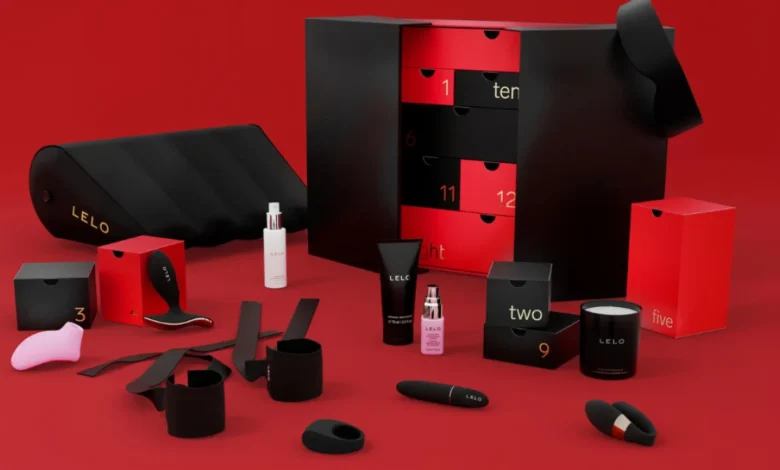
The wellness and luxury intimacy sector has witnessed a significant commercial shift toward premium holiday gifting, marked by the official release of the inaugural LELO Couples Calendar. Priced at $399, the 12-day collection represents a strategic entry by one of the industry’s most recognizable manufacturers into the lucrative seasonal advent calendar market. Unlike traditional holiday countdowns that rely heavily on trial-size samples, promotional items, or low-cost filler products, the LELO collection is designed around full-sized devices and high-end accessories. This release underscores a broader consumer trend toward investing in high-value, durable lifestyle goods during the winter holiday shopping season.
Main Facts and Product Breakdown
The LELO Couples Calendar is structured around a 12-day format, deviating from the conventional 24-day countdown popularized by the European confectionery and cosmetics industries. Retailing at $399, the curated collection contains a selection of intimacy products whose individual retail value exceeds $500.
Market analysts tracking the adult novelty sector note that luxury manufacturers are increasingly utilizing advent calendars as bundled retail strategies. By packaging high-demand items together at a discounted aggregate price, brands can introduce consumers to flagship technology while maintaining profit margins through volume sales. The contents of the LELO calendar deliberately avoid single-use lubricants or miniature novelties, focusing instead on robust hardware and durable sensual accessories. Among the inclusions are full-sized, premium-grade vibrational devices—each normally retailing upward of $100—alongside complementary items such as specialized restraints and artisanal massage candles.
Background Context of the Intimacy Advent Calendar Trend
The commercialization of adult advent calendars has evolved over the past decade from a niche novelty into a mainstream retail phenomenon. Historically dominated by beauty brands, specialty retailers, and chocolate manufacturers, the December countdown format was adapted by the adult wellness industry in the late 2010s to capitalize on rising consumer spending during the fourth-quarter holiday period.
Initially, adult advent calendars were criticized by consumer advocates for containing inflated retail valuations supported by low-quality, disposable plastic items. However, as the wellness market matured and societal attitudes toward sexual health shifted toward destigmatization, consumer demand shifted decisively toward quality over quantity. Major luxury manufacturers responded by developing dedicated holiday products that mirror the sophistication of high-end skincare and fragrance calendars. LELO’s entry into this specific product category reflects the normalization of luxury intimacy products as acceptable mainstream holiday gifts.
Chronology and Market Timeline
The development of the LELO Couples Calendar follows a multi-year trajectory of expansion within the high-end wellness market.
- Q4 2019 – Q4 2021: The broader adult advent calendar market experiences exponential growth, driven primarily by e-commerce platforms and specialty boutique retailers during pandemic-era holiday shopping surges.
- Q3 2022 – Q4 2023: Consumer preference shifts away from multi-item mystery boxes filled with low-cost accessories toward curated, transparently listed luxury bundles. Competitors introduce early iterations of high-end couples’ calendars, establishing a benchmark price point between $250 and $450.
- Q3 2024: LELO announces the conceptualization and production timeline for its first-ever branded holiday calendar, focusing on couples-oriented ergonomics and top-tier device integration.
- Q4 2024: The LELO Couples Calendar officially launches to the global market, positioning itself directly against traditional luxury non-apparel holiday offerings.
Comparative Analysis of Holiday Luxury Pricing
The pricing strategy of the LELO Couples Calendar has drawn comparison within the retail sector regarding consumer value versus luxury markup. While traditional luxury fashion and cosmetics houses frequently release holiday items characterized by high-status branding and minimal utility—such as decorative candle lids or branded paperweights retailing for thousands of dollars—functional luxury goods manufacturers operate under a different value proposition.
By offering tangible utility and hardware with an independent market value exceeding the purchase price, LELO’s $399 price tag is positioned as an investment in durable goods rather than a purely decorative or ephemeral purchase. Retail economists point out that this approach appeals to pragmatic luxury consumers who expect material utility alongside brand prestige.
Official Responses and Industry Reception
While LELO representatives have emphasized the meticulous curation of the calendar’s contents to ensure maximum consumer satisfaction, retail observers have noted the broader implications for the wellness sector. Industry trade groups report that consumer interest in premium adult wellness gifts peaks annually between November 1 and December 15.
Retail analysts observe that the inclusion of items designed for shared use—such as massage candles and dual-stimulation devices—reflects a deliberate marketing pivot toward relationship-oriented wellness. Rather than focusing solely on individual consumer products, manufacturers are increasingly tailoring their flagship fourth-quarter offerings to couples, thereby expanding their addressable demographic during the peak gifting season.
Broader Impact and Economic Implications
The introduction of the LELO Couples Calendar highlights several key shifts in contemporary retail and consumer behavior:
- Mainstream Normalization: The widespread digital marketing and media coverage of luxury intimacy calendars indicate the continued erosion of cultural taboos surrounding sexual wellness products, treating them with the same commercial visibility as high-end cosmetics or gourmet foodstuffs.
- Value-Driven Holiday Purchasing: Amid broader economic uncertainties and inflationary pressures affecting discretionary spending, consumers increasingly favor bundled purchases that offer quantifiable savings compared to buying individual components separately.
- Diversification of Gifting: High-end wellness brands are successfully capturing market share traditionally held by traditional luxury sectors, positioning technological intimacy devices as viable options for milestone or holiday gifting.
As the holiday shopping season progresses, the performance of products like the LELO Couples Calendar will likely influence product development cycles for competing manufacturers in the wellness space, setting a new standard for transparency, device quality, and consumer value in seasonal retail offerings.
Related posts: