The New York City residential real estate market remains in a state of unprecedented tension as the spring 2026 season reaches its peak. Despite various legislative attempts to curb escalating costs, the landscape for both rentals and sales in Manhattan continues to challenge even the most affluent seekers. This week, the focus shifts to the perennial rivalry between the Upper West Side and the Upper East Side—two neighborhoods that, while geographically separated only by Central Park, offer distinct architectural philosophies and lifestyle propositions. The current market data suggests that while price points in these historic enclaves remain stratospheric, the "worth-it" factor is increasingly defined by unique prewar details, "triple mint" renovations, and the strategic avoidance of excessive "white-glove" surcharges.
The State of the Manhattan Rental Market in 2026
The contemporary New York City rental market is characterized by a persistent supply-demand imbalance. Real estate analysts note that the median rent for a Manhattan apartment has plateaued at historic highs, with even modest studio apartments in prime locations frequently commanding prices that were once reserved for multi-bedroom suites. The phenomenon of "lines out the door" for sub-standard housing has become a standard feature of the city’s housing crisis, forcing prospective tenants to scrutinize listings with a more discerning eye for value.
The current "Listings Edit" highlights a specific segment of the market: properties that, while expensive, offer a tangible return on investment through square footage, historical integrity, or high-end finishes. As the city debates the implications of the Hochul-Mamdani pied-à-terre tax—a legislative effort designed to penalize non-primary residences and generate revenue for public housing—the luxury rental market is seeing a shift in how units are positioned. Owners of high-value units are increasingly opting for "fully furnished" short-term leases to attract international professionals and those navigating the complexities of the new tax landscape.
Upper West Side: Prewar Grandeur and Modern Refinement
The Upper West Side (UWS) remains a bastion of architectural history, with this week’s listings showcasing a range of properties from 19th-century townhouses to Art Deco landmarks. The UWS market currently reflects a premium on "bones"—the structural and decorative elements that define New York’s Gilded Age and prewar eras.
A standout in the current inventory is an 1886 townhouse located at 137 Manhattan Avenue. Priced at $14,000 per month for a four-bedroom configuration, the property represents the high-water mark for UWS rentals. The unit retains original shutters, multiple functional fireplaces, and a classic claw-foot tub, elements that are increasingly rare in a market dominated by modern glass-and-steel developments. The inclusion of a "pink bedroom" serves as a reminder of the personalized interior design trends that are making a comeback in luxury rentals.
Further south, the Century Condominium—a premier Art Deco building—offers a two-bedroom unit for $11,000 per month. This listing is notable for being a five-month, fully furnished sublet. Market analysts suggest that such listings are becoming more common as owners seek to offset carrying costs during periods of vacancy. The unit’s primary draw is its unobstructed views of Central Park, a feature that traditionally adds a 20% to 30% premium to any Manhattan property.
In the mid-range of the luxury segment, properties at 360 Central Park West and The Olcott at 27 West 72nd Street demonstrate the "triple mint" trend. At $7,400 per month, the one-bedroom at 360 Central Park West features herringbone floors and Calacatta marble, meeting the modern tenant’s demand for "like-new" conditions within a historic shell. Conversely, the $6,400 listing at The Olcott highlights a growing tenant frustration: the accumulation of "white-glove" building costs. While these buildings offer high-end amenities, the additional fees for concierge services and maintenance are under increased scrutiny by value-conscious renters.
Upper East Side: Aesthetic Commitments and Luxury Lairs
Across the park, the Upper East Side (UES) continues to project an image of established wealth and stylistic boldness. The UES listings for mid-April 2026 are defined by their commitment to specific "bits" or aesthetic themes, often catering to a demographic that views the home as a theatrical space.
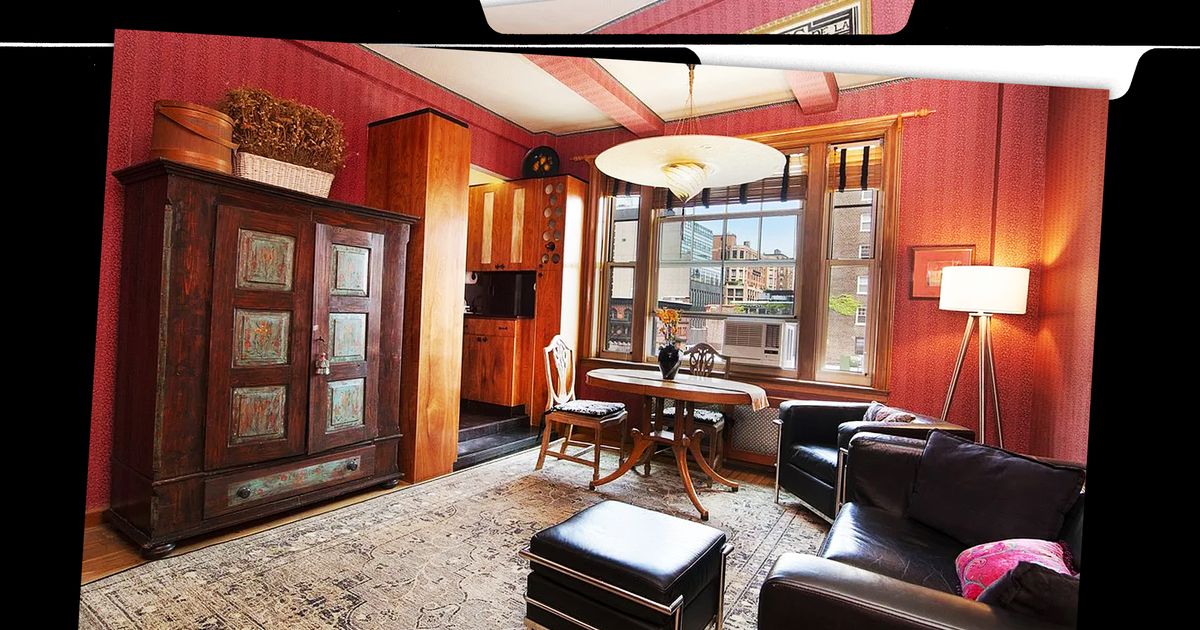
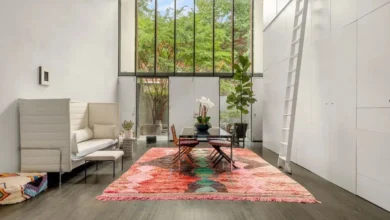
The most expensive UES listing currently featured is a $15,000 three-bedroom unit at 112 East 61st Street. Described by some observers as a "lair," the apartment is notable for its dramatic interior architecture, including a massive hundred-pane window in the living room and over-the-top chandeliers. This property exemplifies the "lifestyle" rental, where the lack of traditional light sources is traded for architectural drama and privacy.
A more polarizing entry is found at the Sherry Netherland, where a one-bedroom unit is listed for $11,500. The apartment is a study in high-contrast design, utilizing a black-and-white palette, zebra-pattern rugs, and floor-to-ceiling mirrors. This aesthetic, reminiscent of 1980s high-end nightclubs, represents a niche segment of the UES market where historical preservation takes a backseat to aggressive interior styling.
For those seeking more traditional UES value, the two-bedroom at 70 East 79th Street ($6,650) and the one-bedroom at 163 East 71st Street ($5,500) offer high ceilings and bay windows. However, these properties also illustrate the inconsistencies of the UES market, where premium architectural features are sometimes paired with outdated flooring or unconventional layouts.
Comparative Data and Neighborhood Metrics
To understand the context of these listings, one must look at the broader neighborhood metrics. As of April 2026, the Upper West Side has seen a 4.2% year-over-year increase in rental prices, driven largely by the scarcity of multi-bedroom units. The Upper East Side, meanwhile, has experienced a more modest 2.8% increase, though its "ultra-luxury" tier (units above $20,000) has seen a surge in inventory as the pied-à-terre tax looms.
| Neighborhood | Unit Type | Average Monthly Rent (April 2026) | Key Value Driver |
|---|---|---|---|
| Upper West Side | 1-Bedroom | $5,200 | Proximity to Park/Prewar Details |
| Upper East Side | 1-Bedroom | $4,950 | Proximity to Museums/Renovated Units |
| Upper West Side | 3+ Bedroom | $12,500+ | Historical Townhouses |
| Upper East Side | 3+ Bedroom | $11,800+ | Full-Service Buildings |
The Impact of the Pied-à-Terre Tax and Legislative Shifts
The "Hochul-Mamdani" tax mentioned in this week’s analysis refers to a significant policy shift in New York’s approach to high-value real estate. Named after the Governor and a prominent state legislator, the tax targets secondary residences valued at over $5 million. The goal is to discourage the "warehousing" of luxury apartments by international investors who rarely occupy them.
Real estate lobbyists argue that the tax could lead to a cooling of the sales market, which in turn might push more high-end units into the rental pool. This transition is already visible in the UWS and UES listings, where apartments that were once exclusively for sale are now appearing as "worth-it" rentals. The influx of these high-end rentals is creating a more competitive environment, forcing landlords to upgrade finishes—such as the "triple mint" herringbone floors—to justify five-figure monthly rents.
Chronology of Market Trends: Spring 2026
The timing of these listings is critical. Historically, the New York City real estate market begins its most active period in mid-April.
- Week 1 of April: Initial surge of listings as the "moving season" begins.
- Week 2 of April: Heightened competition for "no-fee" apartments.
- Mid-April (Current): Stabilization of high-end prices; emergence of unique townhouse listings.
- Looking Ahead (Late April/May): Expected shift toward the outer boroughs (Brooklyn and Queens) as Manhattan inventory is absorbed.
Conclusion and Future Outlook
The current landscape of New York City real estate is one of extremes. From a $2,595 studio on East 75th Street that trades square footage for a marble bathroom, to a $14,000 townhouse that offers a slice of 19th-century history, the market is catering to a highly fragmented tenant base.
As the "Listings Edit" moves to a new Friday morning format, it reflects a broader shift in how New Yorkers consume real estate information. The move to a more integrated digital format, combining deep-dive columns with curated links, mirrors the way modern tenants search for housing: a mix of data-driven analysis and aesthetic aspiration. While the Upper West and Upper East Sides remain the "land of the expensive," the ongoing legislative changes and the constant demand for "worth-it" spaces ensure that the city’s real estate narrative remains as dynamic and contested as ever. For the coming weeks, the focus is expected to drift toward the outer boroughs, where the square footage and price points may offer the "cozier" relief that Manhattan’s historic corridors currently lack.