From Small Town India to the Global Stage How TED Summer School is Empowering the Next Generation of Visionaries

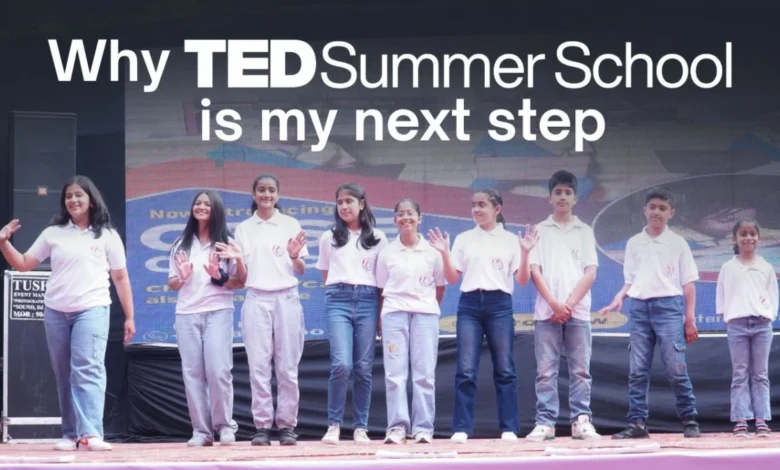
The landscape of global youth education is undergoing a significant transformation as TED, the non-profit organization devoted to "Ideas Worth Spreading," expands its pedagogical reach through a strategic partnership with Immerse Education. This collaboration has culminated in the launch of the TED Summer School, a high-impact, two-week residential program designed to equip students aged 15 to 18 with the tools of modern leadership: public speaking, storytelling mastery, and personal branding. The program marks a significant evolution in TED’s educational mission, moving from the digital consumption of ideas to the intensive, hands-on cultivation of young advocates. Among the first cohort of scholarship recipients is Samya Gupta, a student from India whose journey from a regional town to the global stage in Singapore exemplifies the program’s objective of democratizing access to elite mentorship and global platforms.
The Evolution of TED’s Educational Ecosystem
For over a decade, TED-Ed has served as the organization’s youth and education initiative, reaching millions of students and teachers worldwide. The TED-Ed Student Talks program, in particular, has functioned as a primary vehicle for student expression, allowing young people to develop and share their ideas in a format modeled after the iconic TED Stage. However, the introduction of the TED Summer School represents a more formalized and intensive academic approach. By partnering with Immerse Education—an award-winning provider of academic programs based in locations such as Oxford, Cambridge, and London—TED is bridging the gap between extracurricular passion projects and structured, pre-university academic enrichment.
The curriculum of the TED Summer School is built upon a dual-track framework: core theory and practical application. Participants engage in sessions led by expert tutors and guest speakers, focusing on the mechanics of persuasive communication and the psychology of storytelling. Beyond the technical aspects of public speaking, the program emphasizes personal coaching, ensuring that each student can refine their unique narrative into a polished, TED-style talk. The program is currently offered in several of the world’s most influential academic and cultural hubs, including Singapore, New York, and London, alongside interactive virtual cohorts designed to maximize inclusivity.
The "Learning to be Heard" Global Challenge
To identify the most promising young voices for this inaugural program, TED and Immerse Education launched the "Learning to be Heard" challenge. This global competition invited students to submit a one-minute video addressing a single, profound prompt: "If the whole world were listening to you for one minute, what would you say?" The competition saw an overwhelming response, with more than 2,000 entries submitted from diverse geographic and socioeconomic backgrounds.
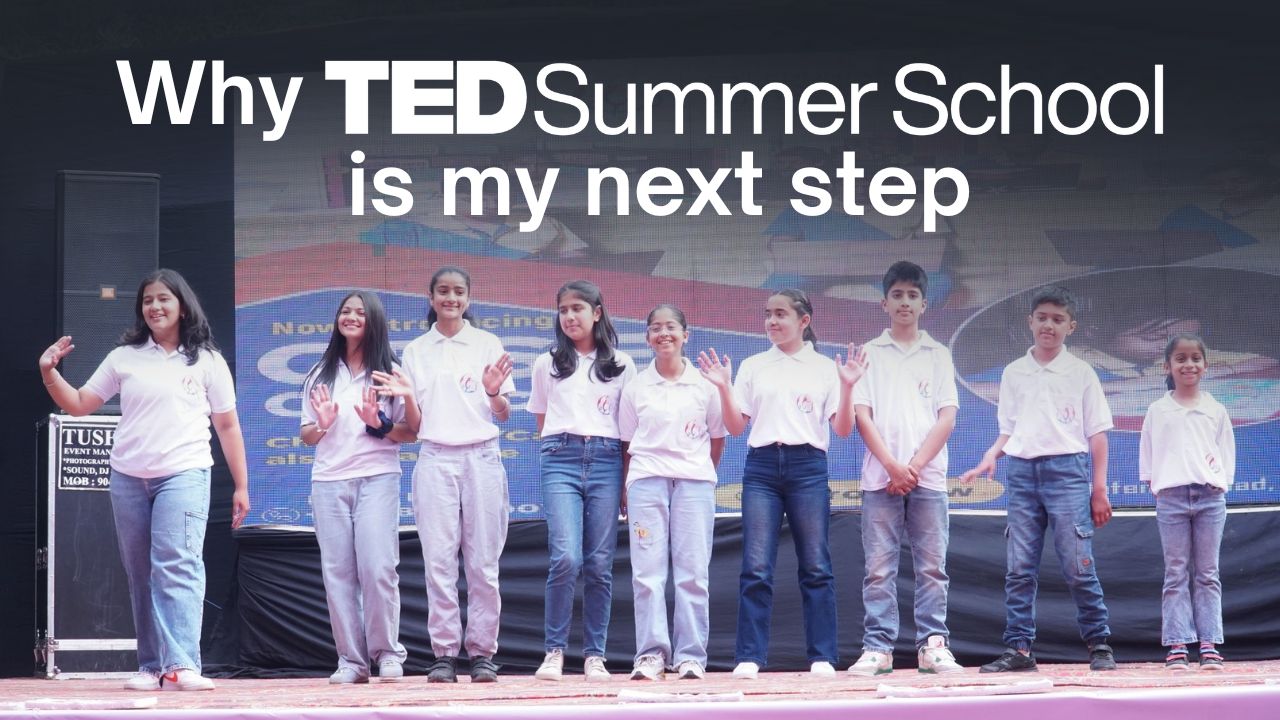
The selection process was rigorous, focusing not only on the delivery of the message but on the originality of the idea and the potential for social impact. Out of the thousands of applicants, only 11 students were selected to receive full scholarships to the TED Summer School. These winners represent a microcosm of the current generation’s concerns, ranging from climate action and social justice to mental health and the digital divide. Samya Gupta’s selection as one of these top 11 winners highlights a growing trend of "merit-based globalism," where digital connectivity allows students from non-metropolitan areas to compete on a global scale.
Case Study: The Journey of Samya Gupta
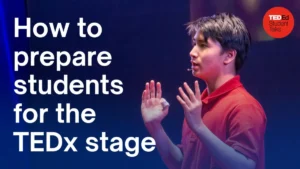
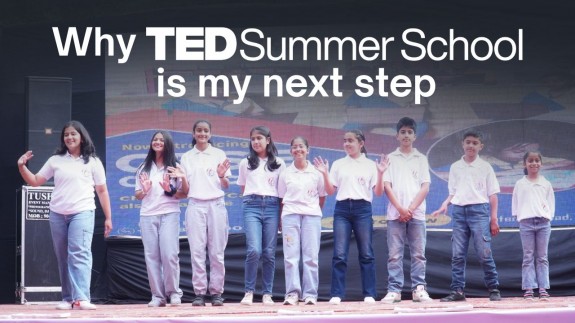
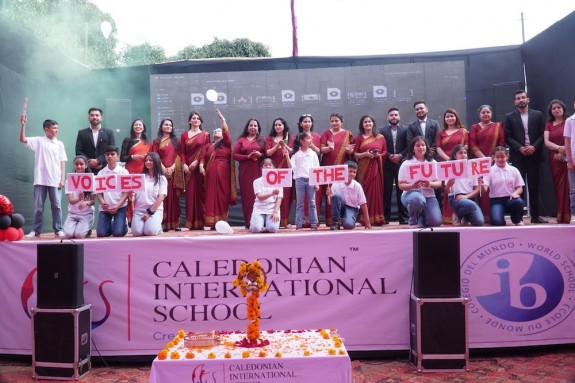
Samya Gupta’s path to the TED Summer School began within her local school community in India. Over the past two years, she transitioned from a participant in the TED-Ed Student Talks program to a leadership role as a student coordinator for local TEDx events. Her early work focused on the intersection of mental health and the cultural expectations placed on Indian teenagers. By choosing to address parents as her primary audience, Gupta demonstrated a sophisticated understanding of communication strategy—identifying a specific "knowledge gap" and tailoring her message to bridge it.
In her scholarship-winning video, Gupta pivoted from broad societal issues to a more personal and nuanced topic: regional identity and the "small-town" stigma. Coming from a smaller municipality in India, she noted the palpable disadvantage felt when interacting with peers from major metropolitan hubs like Delhi or Mumbai. "I felt like we were lagging behind—there were things I didn’t know about, terms I hadn’t even heard," Gupta stated in her interview with TED-Ed Program Manager Shraya Sharma. Her message, "Your town is not your destiny," resonated with the judges for its authenticity and its rejection of geographic determinism.
Gupta’s experience reflects a broader narrative within the Indian education system, where there is a stark disparity between the resources available in "Tier 1" cities versus "Tier 2" and "Tier 3" towns. By securing a scholarship to the Singapore cohort, Gupta has effectively challenged the notion that elite educational opportunities are reserved for those with the most social capital or the most central locations.
Strategic Objectives and Pedagogical Framework
The TED Summer School is not merely a public speaking workshop; it is a strategic initiative designed to foster "soft skills" that are increasingly valued in the 21st-century labor market. According to recent data from the World Economic Forum, skills such as analytical thinking, creative communication, and leadership/social influence are among the top priorities for employers heading toward 2030.
The program’s structure reflects these priorities through several key components:
- Storytelling Mastery: Moving beyond simple presentation skills to teach students how to structure complex ideas into compelling narratives.
- Leadership and Logistics: As seen in Gupta’s role as a TEDx coordinator, the program encourages students to understand the "behind-the-scenes" elements of event curation and organizational management.
- Global Mentorship: Participants are paired with mentors from leading global universities, providing a direct pipeline to higher education insights and career guidance.
- Cultural Intelligence: By bringing together students from across the globe in cities like Singapore and London, the program facilitates "cross-pollination" of ideas, forcing students to consider how their messages translate across different cultural contexts.
Broader Impact and Educational Implications
The success of students like Samya Gupta provides a blueprint for how organizations can utilize scholarships to foster diversity in thought and background. For many students in developing economies, the cost of international summer programs—including tuition, travel, and accommodation—is a prohibitive barrier. The scholarship model employed by TED and Immerse Education serves as a necessary intervention to ensure that the "global stage" is not an exclusive club.
Furthermore, the program addresses a critical gap in traditional schooling systems. As Gupta noted, traditional education often focuses on the rote learning of concepts rather than the interactive and social application of knowledge. Programs like the TED Summer School provide a "third space" for learning—one that is academic yet practical, and global yet deeply personal.
The implications for university admissions are also significant. As top-tier universities move toward more holistic admissions processes, evidence of self-directed leadership, successful participation in competitive global programs, and the ability to articulate a clear vision (as demonstrated by a recorded TED-style talk) provide students with a distinct competitive advantage.
Looking Ahead: The Singapore Cohort and Beyond
As the summer program commences in Singapore, all eyes will be on the participants as they transition from students to "idea advocates." Singapore, often cited as a global leader in education and innovation, provides a fitting backdrop for this exchange of ideas. For Gupta, the choice of Singapore was intentional, aligning with her future aspirations for university education and her desire to experience one of the world’s most dynamic economic environments.
TED-Ed has indicated that they will continue to track the progress of their scholarship winners, documenting how the two-week intensive program translates into long-term academic and personal growth. The organization plans to share the final recorded talks of these students, providing a platform for their refined messages to reach a global audience of millions.
In conclusion, the TED Summer School represents a significant milestone in the democratization of high-level communication training. By investing in young leaders like Samya Gupta, TED and Immerse Education are not just teaching students how to speak; they are teaching them that their voices have the power to transcend their circumstances. The message that "your town is not your destiny" is a potent reminder that in an interconnected world, the quality of an idea is no longer bound by the geography of its origin. As the first cohort completes their training, the impact of this program will likely be felt in classrooms and boardrooms for years to come, as a new generation of speakers takes the stage with confidence, clarity, and a commitment to social impact.