
Wells Fargo has significantly bolstered its position in the competitive travel rewards landscape, progressively building a roster of airline and hotel transfer partners that offer cardholders enhanced flexibility and potentially greater value for their accumulated points. While the initial suite of partners might not have been deemed revolutionary compared to established programs, their strategic growth provides Wells Fargo cardholders with crucial avenues for redeeming points for flights and hotel stays beyond fixed-rate options or proprietary travel portals. This evolution marks a pivotal step for the financial institution, aiming to attract and retain savvy travelers in a market increasingly defined by the versatility of reward currencies.
The Strategic Imperative: Why Transferable Points Matter
In the modern credit card rewards ecosystem, transferable points have emerged as the gold standard for maximizing travel value. Unlike proprietary points tied to a single issuer’s travel portal or offering only fixed cash-back rates, transferable points, such as Chase Ultimate Rewards, American Express Membership Rewards, and Capital One miles, empower cardholders to convert their loyalty currency into miles or points with various airline and hotel programs. This flexibility allows consumers to "shop around" for the most advantageous redemption rates, often unlocking significantly higher value than direct cash equivalents or portal bookings. For example, a point valued at 1 cent for cash back might yield 2 cents or more when strategically transferred to an airline for a premium cabin flight or to a hotel program during peak season.
Wells Fargo’s entry into this arena, initially in 2024, signals a clear intent to compete more directly with industry giants. By offering transferability, the bank addresses a key demand from high-spending cardholders and travel enthusiasts who seek to optimize their reward earnings. This move is not merely about adding features; it’s about repositioning Wells Fargo’s credit card products as serious contenders for primary spending, particularly for those whose financial decisions are heavily influenced by travel benefits.
A Growing Network: Wells Fargo’s Transfer Partner Timeline
Wells Fargo embarked on its transfer partner journey in 2024, laying the groundwork for a more robust rewards program. Since then, the bank has demonstrated a commitment to expanding this network, strategically adding new partners to enhance the utility of its points.
- 2024: Initial Launch – Wells Fargo introduced its first set of transfer partners, signaling its entry into the transferable points market. This initial step, while modest, was crucial for establishing the infrastructure and competitive positioning.
- November 2025: JetBlue Airways TrueBlue – The addition of JetBlue’s loyalty program, TrueBlue, marked a significant expansion into a popular domestic and Caribbean airline. JetBlue, known for its customer experience and growing network, offered cardholders a valuable option for both economy and premium "Mint" class redemptions.
- April 2026: Wyndham Rewards – Further diversifying its portfolio, Wells Fargo welcomed Wyndham Rewards as its second hotel transfer partner. This addition provided cardholders access to a vast global network of properties, from budget-friendly options to upscale resorts, particularly attractive given Wyndham’s favorable transfer ratio.
This measured yet consistent expansion suggests a deliberate strategy by Wells Fargo to build out a well-rounded portfolio that caters to different travel preferences, from domestic flights to international hotel stays, and to gradually enhance its appeal to a broader segment of the travel rewards market.
Decoding Wells Fargo’s Transfer Program Mechanics
One notable feature distinguishing Wells Fargo’s transfer program from many competitors is its flexibility regarding transfer increments. Unlike other issuers that often impose minimum transfer requirements, typically 1,000 points, or mandate transfers in 1,000-point increments, Wells Fargo allows cardholders to transfer any number of points. This granular control is particularly beneficial for those who need to "top off" an existing airline or hotel loyalty account to reach a specific redemption threshold, preventing the waste of a small balance or the need to transfer an unnecessarily large amount.
The transfer ratio, which dictates how many airline/hotel points one Wells Fargo point converts into, is a critical factor in determining the value proposition. For instance, a 1:1 ratio means one Wells Fargo point becomes one partner point, while a 1:2 ratio (as seen with some hotel partners) means one Wells Fargo point yields two partner points, effectively doubling the quantity of points in the partner program, though the value per point in that program must still be considered.

Spotlight on Key Transfer Partners and Value Propositions
Wells Fargo’s current lineup of transfer partners, while still growing, offers distinct advantages for various travel needs. Evaluating each partner’s unique strengths and NerdWallet’s point valuations helps cardholders make informed redemption decisions.
Avianca LifeMiles: Gateway to Star Alliance Value
Avianca LifeMiles, the loyalty program of the Colombian flag carrier, is arguably one of Wells Fargo’s most compelling airline partners. Its membership in the Star Alliance, one of the world’s largest airline alliances, unlocks a vast network of redemption opportunities on carriers like United Airlines, Lufthansa, ANA, Turkish Airlines, and Singapore Airlines. This broad access is a significant draw for international travelers.
Key advantages of Avianca LifeMiles include:
- Star Alliance Access: Cardholders can book flights on numerous global airlines, facilitating travel to a wide array of destinations across continents.
- No Fuel Surcharges: A major perk, as many airline programs pass on hefty fuel surcharges for award bookings, significantly increasing the out-of-pocket cost. While Avianca charges a modest $25 partner booking fee, this is often negligible compared to the hundreds of dollars in fuel surcharges imposed by other programs.
- Strong Redemption Values: LifeMiles often provide decent redemptions for flights to popular destinations such as Hawaii, Europe, and South America, particularly for business and first-class cabins if found during promotional sales.
- NerdWallet Valuation: Based on recent analysis, NerdWallet values Avianca LifeMiles at 1.6 cents per point for economy awards. This is currently the highest valuation among Wells Fargo’s transfer partners, indicating strong potential for outsized value when points are transferred and redeemed strategically. For example, a 25,000 Wells Fargo point transfer could theoretically yield $400 in flight value.
Choice Privileges: Diverse Hotel Stays with a Favorable Ratio
Choice Privileges stands out as one of Wells Fargo’s hotel transfer partners due to its highly favorable 1:2 transfer ratio. This means every 1 Wells Fargo point converts into 2 Choice Privileges points, effectively doubling the number of points a cardholder receives in the Choice program.
- Extensive Portfolio: Choice Hotels encompasses a broad spectrum of brands, from economy options like Quality Inn and Comfort Inn to upscale properties like Radisson Blu and the Ascend Hotel Collection, which includes boutique hotels and even some all-inclusive resorts. This diversity caters to a wide range of traveler preferences and budgets.
- Value Multiplier: Given NerdWallet’s valuation of Choice points at 0.8 cents each, the 1:2 transfer ratio effectively means cardholders can redeem their Wells Fargo points for an equivalent value of 1.6 cents per point when transferred to Choice. This makes it a highly attractive option for hotel redemptions.
- Geographic Reach: With thousands of properties globally, Choice Privileges points can be valuable for stays in various destinations, including those where other major loyalty programs might have limited presence or higher redemption rates.
JetBlue TrueBlue: Domestic Comfort and International Partnerships
JetBlue TrueBlue provides Wells Fargo cardholders with a solid option for domestic travel, particularly for those seeking a more comfortable economy experience or the luxury of its Mint first-class product.
- Distinctive Service: JetBlue is known for its customer-friendly amenities, including ample legroom, free Wi-Fi, and in-flight entertainment, making it a preferred choice for many North American travelers.
- Mint First Class: For those seeking a premium experience, JetBlue Mint offers lie-flat seats and enhanced service on select transcontinental and international routes, which can be a aspirational redemption target.
- Partner Redemptions: While not part of a major airline alliance, JetBlue has a growing list of individual airline partners. Notably, its partnership with Condor, a German airline, offers unique redemption opportunities for transatlantic flights, including access to lie-flat business class seats, expanding the program’s international appeal.
- Dynamic Pricing: JetBlue’s TrueBlue program uses dynamic pricing, meaning the number of points required for a flight generally correlates with the cash price of the ticket. While this can sometimes limit outsized value, it also means award availability often mirrors cash availability.
Wyndham Rewards: Maximizing Stays with a 1:2 Ratio
Wyndham Rewards, the newest addition to Wells Fargo’s transfer partners, also offers a highly advantageous 1:2 transfer ratio, making it an attractive option for hotel redemptions. This ratio is particularly favorable when compared to transfers from other major credit card issuers like Chase, Capital One, Citi, or Bilt, which typically offer 1:1 or less favorable rates.
- Enhanced Value: With NerdWallet valuing Wyndham points at 0.7 cents each, the 1:2 transfer ratio effectively translates to an impressive 1.4 cents per Wells Fargo point when redeemed through Wyndham. This places it among the top options for point value within the Wells Fargo ecosystem.
- Diverse Redemption Tiers: Wyndham’s award nights are structured in clear tiers, typically starting at 7,500 points per night for a one-bedroom unit and capped at 30,000 points per night for premium properties. This straightforward system allows for predictable planning.
- Strategic Redemptions: Wyndham’s vast portfolio includes numerous brands (e.g., Days Inn, Super 8, Ramada, La Quinta, Dolce Hotels and Resorts), making it possible to find value in various scenarios. Cardholders can leverage points for stays in expensive tourist destinations, including a property located directly at Disney World, or for two-bedroom suites at surprisingly low point prices, offering significant savings for families or extended stays.
Eligible Cards: Accessing the Transfer Program
Currently, two Wells Fargo credit cards grant cardholders access to the valuable transfer partner program:
- Wells Fargo Autograph® Card: This card is notable because it carries a $0 annual fee. The ability to transfer points to travel partners from a no-annual-fee card is a significant differentiator in the market. Many other issuers restrict transferability to their premium, annual-fee-carrying travel cards or impose reduced transfer ratios for their entry-level offerings.
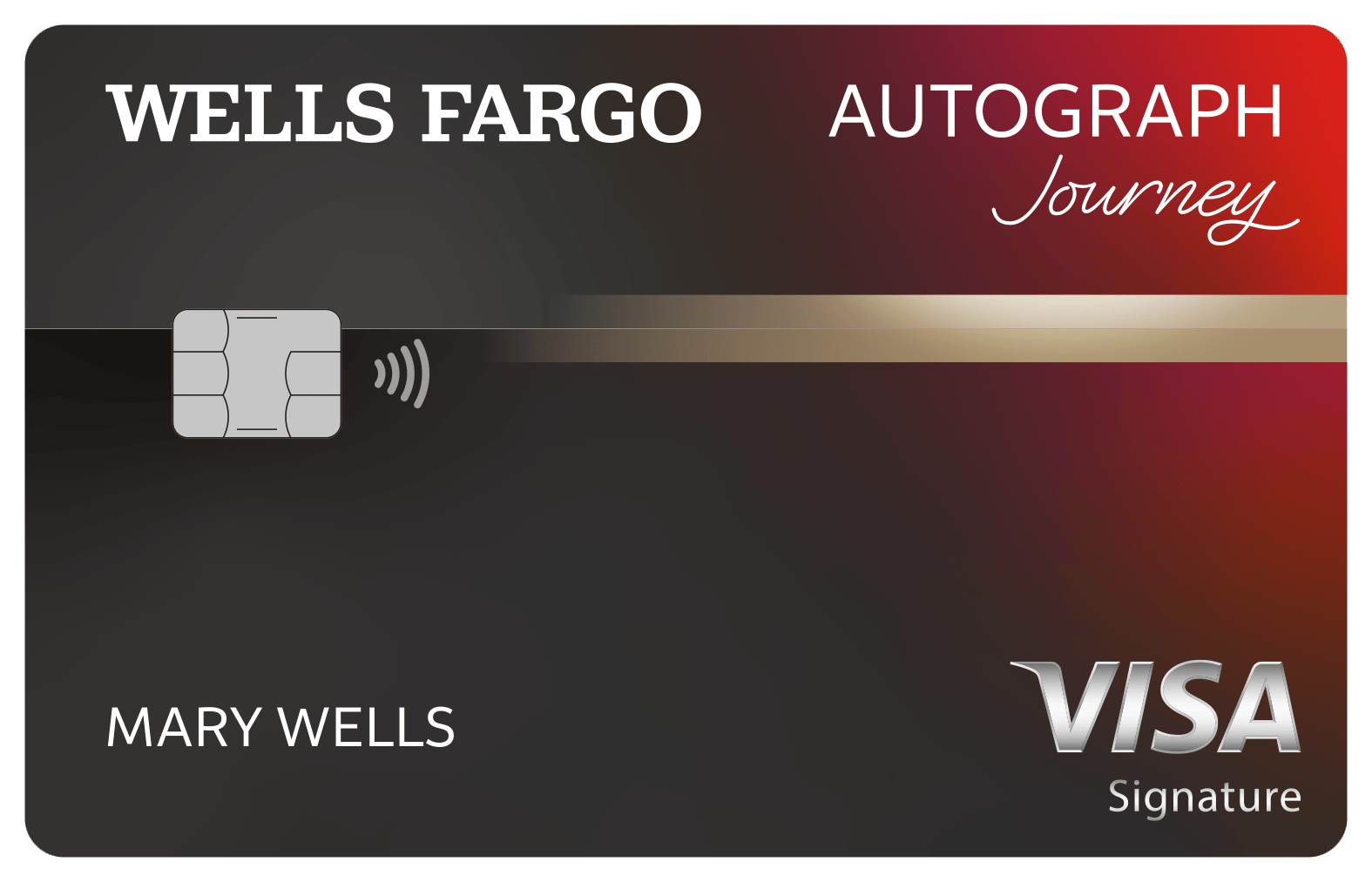
- Wells Fargo Autograph Journey℠ Card: This card, typically positioned as a premium travel card, also allows for point transfers. It generally offers accelerated earning rates on travel and dining, making it ideal for frequent travelers looking to maximize their point accrual for subsequent transfers.
The inclusion of the Wells Fargo Autograph® Card in the transfer program underscores Wells Fargo’s commitment to making valuable travel redemptions accessible to a broader base of cardholders. This strategic decision earned the Wells Fargo Autograph® Card the distinction of being named the best travel card with no annual fee in NerdWallet’s 2026 Best-Of Awards, highlighting its competitive edge.
Furthermore, Wells Fargo offers an ecosystem where points earned on other cards, such as the Wells Fargo Active Cash® Card (a popular cash-back card), can be combined with points on an Autograph card. This flexibility allows cardholders to consolidate their rewards and transfer the entire sum to a preferred travel partner, maximizing their redemption potential across their Wells Fargo card portfolio.
Should You Transfer Your Wells Fargo Points? A Strategic Analysis
Deciding whether to transfer Wells Fargo points requires a careful evaluation of potential redemption value. The primary driver for transferring points should be the opportunity to secure a redemption with an airline or hotel loyalty program that offers significantly more value than what would be achieved by redeeming points at a fixed rate for cash back (typically 1 cent per point) or through Wells Fargo’s own travel portal. The benchmark often sought by savvy travelers is to achieve a value of more than 1 cent per point.
The unique absence of minimum transfer requirements for Wells Fargo points is a distinct advantage. This feature makes transferring points a viable option even when a cardholder only needs a few hundred points to reach a specific award threshold within an airline or hotel program. This flexibility minimizes orphaned points and ensures that every point can contribute to a meaningful redemption.
However, it is crucial for cardholders to understand that transferring points is a one-way street. Once points are moved from a Wells Fargo account to an airline or hotel loyalty program, they cannot be transferred back. This irrevocability necessitates careful planning. Cardholders should ensure that the desired award space is available and confirm their travel plans before initiating a transfer. If award availability disappears or travel plans change after a transfer, the points will remain with the receiving loyalty program, subject to its terms and conditions, and potentially become less valuable if not used for their original intent.
Maximizing Your Rewards: Best Practices
To maximize the value of Wells Fargo points through transfers, cardholders should adopt several best practices:
- Research Award Availability: Before transferring, always check the airline or hotel program’s website for award availability on your desired dates and routes.
- Compare Cash vs. Points: Calculate the "cents per point" value by dividing the cash price of a flight or hotel room (minus any taxes/fees that still apply to award bookings) by the number of points required. Aim for values above 1.5 cents per point for optimal results.
- Monitor Transfer Bonuses: Occasionally, Wells Fargo or its partners may offer transfer bonuses (e.g., 25% more points when transferring). These can significantly boost the value of your points and are excellent opportunities for transfers.
- Understand Partner Program Rules: Familiarize yourself with the nuances of each loyalty program, including potential blackout dates, booking fees, and expiration policies.
- Target High-Value Redemptions: Focus on redeeming points for experiences that are disproportionately expensive in cash, such as international business/first-class flights or luxury hotel stays during peak seasons.
The Broader Impact on the Rewards Market
Wells Fargo’s strategic push into transferable points, particularly with the inclusion of a $0 annual fee card, has several implications for the broader credit card rewards market. It intensifies competition among issuers, potentially prompting rivals to enhance their own entry-level travel card offerings or sweeten existing transfer partner deals. For consumers, this translates to more choices and better value propositions, as banks vie for their loyalty.
Industry analysts suggest Wells Fargo’s moves are designed to increase its share in the lucrative travel rewards segment, which traditionally has been dominated by Chase, American Express, and Capital One. By providing a credible alternative, Wells Fargo not only caters to its existing customer base but also aims to attract new cardholders who prioritize flexible travel redemptions. The careful selection of partners, offering both alliance access (Avianca) and diverse hotel options (Choice, Wyndham), indicates a well-thought-out strategy to provide comprehensive value.
In conclusion, Wells Fargo’s commitment to expanding its transfer partner network represents a significant enhancement to its credit card rewards program. By offering flexible transfer options, competitive valuations, and crucially, access through a no-annual-fee card, Wells Fargo is carving out a more prominent and appealing niche in the dynamic world of travel rewards, empowering its cardholders with more robust tools to achieve their travel aspirations.