Costco Agrees to $14 Million Settlement Over Allegedly Misleading Promotional Emails in Washington State

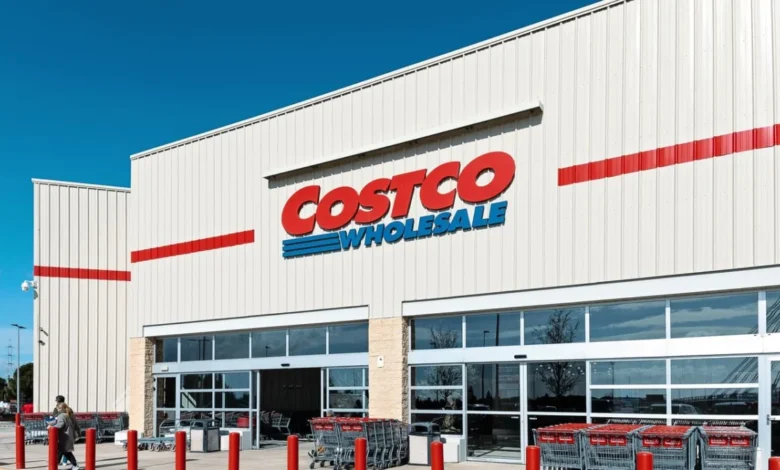
Costco Wholesale Corporation has agreed to a $14 million settlement to resolve a class action lawsuit alleging the retail giant sent misleading promotional emails to customers residing in Washington state. The settlement, which has received preliminary court approval, addresses claims that the warehouse club engaged in deceptive marketing practices by advertising time-limited promotions that were subsequently extended, creating undue pressure on consumers to make purchases. While Costco denies any wrongdoing and maintains it fully complied with all applicable laws, the agreement aims to bring an end to the protracted legal dispute. The final details of the settlement, including the precise amount each eligible customer will receive, are still being determined and await final judicial approval.
The core of the class action lawsuit revolves around promotional emails disseminated by Costco between June 2, 2021, and July 7, 2026. These emails, according to the plaintiffs, utilized subject lines such as "Today is the last day to access Member-Only Savings" and "Hot Buys available for 5 Days Only." The lawsuit contends that Costco knew these promotions would be extended beyond their stated end dates, thereby creating a false sense of urgency among recipients. This alleged practice is central to the claims of violation under Washington’s robust consumer protection statutes.
The preliminary approval of the settlement marks a significant step forward in the legal process, moving towards restitution for affected Washington residents. As the final approval hearing approaches, Costco members in the Evergreen State are keen to understand the eligibility criteria, the claims process, and the anticipated timeline for any potential payouts.
The Genesis of the Costco Class Action Lawsuit
The class action lawsuit, initially filed on June 2, 2025, brought forth serious allegations concerning Costco’s digital marketing strategies. The plaintiffs argued that the company’s email campaigns violated two key Washington state statutes designed to protect consumers from deceptive business practices: the Washington Consumer Protection Act (RCW 19.86) and the Washington Commercial Electronic Mail Act (RCW 19.190).
The Washington Consumer Protection Act is a broad statute designed to prevent unfair methods of competition and unfair or deceptive acts or practices in the conduct of any trade or commerce. It empowers consumers to sue businesses for misleading conduct that impacts the public interest. The Washington Commercial Electronic Mail Act, specifically, regulates unsolicited commercial electronic mail and aims to prevent deceptive practices related to email marketing, including false or misleading subject lines. These state laws complement the federal CAN-SPAM Act, which sets national standards for commercial emails but allows states to enact stricter regulations on certain aspects, such as misrepresentation in subject lines.
The lawsuit specifically highlighted instances where Costco allegedly advertised promotions with definitive end dates, only to extend them, sometimes repeatedly, beyond the initial advertised period. This tactic, the plaintiffs claimed, was a deliberate strategy to pressure consumers into making quick purchasing decisions, fearing they would miss out on a genuine, time-sensitive deal. Such practices, if proven, undermine consumer trust and could be seen as an attempt to manipulate purchasing behavior through false scarcity.
Costco, a global retail powerhouse with hundreds of warehouses and millions of members worldwide, firmly denies the allegations. In the terms of the settlement, the company explicitly states that it did not engage in any wrongdoing and that its marketing practices were in full compliance with all relevant laws. Settlements in class action lawsuits are often reached to avoid the significant costs, time, and uncertainty associated with prolonged litigation, rather than as an admission of guilt. For a company of Costco’s scale, even a successful defense could entail substantial legal fees and reputational strain, making a settlement a pragmatic business decision.
Understanding the Settlement Details and Eligibility
The $14 million settlement fund is intended to compensate eligible class members, cover administrative costs, and pay legal fees for the plaintiffs’ attorneys. It is crucial to note that while the settlement has received preliminary approval, the exact per-person payout amounts will depend on several factors, including the total number of valid claims filed. The original complaint did not seek the maximum statutory damages of $500 per qualifying email under the Washington Commercial Electronic Mail Act, meaning individual payouts are expected to be a share of the overall fund.
To be eligible for a payout from the Costco settlement, individuals must meet specific criteria:
- Residency: You must have been a resident of the state of Washington.
- Email Receipt: You must have received a commercial email from Costco at any point between June 2, 2021, and July 7, 2026.
Many potentially eligible class members may have already received an email notification containing a unique Claim ID and instructions on how to file a claim online. This initial communication typically comes from the court-appointed settlement administrator. For those who believe they are eligible but have not received such a notification, the court-approved website, washingtoncommercialemailsettlement.com, serves as the primary portal for filing a claim without a Claim ID and verifying eligibility. It is imperative for all potential claimants to visit this official website for accurate and up-to-date information.
Key Dates and How to Participate or Opt Out
The settlement process adheres to a strict timeline, and potential class members must act promptly to ensure their interests are protected.
- Claim Filing Deadline: The deadline to file a claim for a share of the settlement fund is August 24, 2026. Failure to submit a valid claim by this date will result in forfeiture of any potential payment.
- Exclusion (Opt-Out) Deadline: Individuals who wish to be excluded from the settlement – perhaps to pursue their own individual lawsuit against Costco – must also submit an opt-out request by August 24, 2026. Choosing to opt out means foregoing any payment from this class action settlement but retaining the right to sue Costco independently.
- Final Approval Hearing: A final approval hearing is scheduled for October 2, 2026. During this hearing, the court will consider whether the settlement is fair, reasonable, and adequate for the class members. The court will also address any objections raised by class members and finalize attorneys’ fees and administrative costs. Payments will not be distributed until after this final approval and any subsequent appeals process has concluded.
It is advisable for eligible individuals to carefully consider their options and consult with legal counsel if they have questions about whether to file a claim, object to the settlement, or opt out. The official settlement website provides detailed instructions for each of these actions.
Broader Implications for Consumer Protection and Digital Marketing
This Costco settlement underscores the increasing scrutiny on digital marketing practices and the growing importance of consumer protection laws in the digital age. In an era where consumers are bombarded with thousands of marketing messages daily, the line between persuasive advertising and deceptive practices can become blurred. State and federal regulators, alongside consumer advocacy groups, are actively monitoring how businesses engage with their customer base through electronic channels.
The Washington Consumer Protection Act and Commercial Electronic Mail Act serve as vital tools to ensure transparency and fairness in online commerce. The specific allegations against Costco highlight a common concern: the use of artificial urgency to drive sales. While "limited-time offers" are a legitimate marketing strategy, their misuse can erode consumer trust and lead to accusations of manipulation. This settlement sends a clear message to retailers that even seemingly minor misrepresentations in email subject lines or promotional language can have significant legal and financial consequences.
For businesses, the case serves as a stark reminder of the need for rigorous compliance checks on all marketing communications, especially those sent via email. Legal and marketing departments must work in tandem to ensure that promotional claims are accurate, verifiable, and do not create misleading impressions regarding product availability, pricing, or the duration of sales. Investing in compliance training and robust review processes for marketing materials can mitigate risks of similar lawsuits.
From a consumer perspective, such class action settlements, even if individual payouts are modest, contribute to a stronger legal framework that holds large corporations accountable. They reinforce the idea that consumers have rights that are enforceable, even against powerful entities. The cumulative effect of these cases is to encourage more ethical advertising practices across the industry, fostering a more trustworthy commercial environment for everyone.
A Look Ahead: What to Expect Post-Approval
Following the final approval hearing on October 2, 2026, and assuming no unforeseen appeals or delays, the settlement administrator will begin processing claims and distributing payments. The method of payment (e.g., check, electronic transfer) will be detailed on the settlement website once finalized. It is critical for claimants to ensure their contact information is up to date with the settlement administrator to avoid any issues in receiving their payment.
While the financial impact of a $14 million settlement on a company with Costco’s annual revenue (exceeding $240 billion in 2023) might seem relatively small, the true cost extends beyond the monetary sum. It includes legal fees, the time and resources diverted from core business operations, and the potential for reputational damage. In today’s interconnected world, news of such settlements can spread rapidly, influencing public perception and potentially affecting customer loyalty, particularly among those who value ethical business practices.
This settlement represents a moment of reckoning for digital marketing ethics and a reaffirmation of consumer rights in Washington state. As the retail landscape continues to evolve with increasing reliance on digital communication, the principles of truth in advertising and consumer protection remain paramount, guiding both businesses and the legal system in ensuring fair and transparent commercial interactions.