FBI Director Kash Patel Sues The Atlantic for $250 Million Over Article Alleging Excessive Drinking, Citing "Malicious Hit Piece"

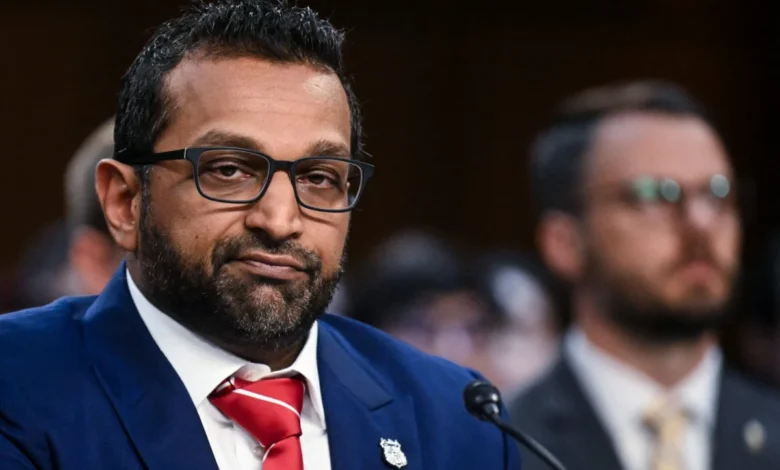
FBI Director Kash Patel initiated a substantial $250 million lawsuit against The Atlantic magazine on Monday, asserting that an article published by the prominent media outlet, which detailed alleged instances of his excessive drinking, was factually false and constituted a "malicious hit piece." The high-stakes legal action, filed in district court in Washington, D.C., names both The Atlantic and its author, Sarah Fitzpatrick, as defendants, setting the stage for a contentious legal battle that could have significant ramifications for both investigative journalism and the public image of a top federal law enforcement official.
The Genesis of the Controversy: Allegations of Impaired Conduct
The article, which first appeared on The Atlantic’s website on Friday, posited that Director Patel harbored profound concerns about the potential loss of his high-profile position. Author Sarah Fitzpatrick’s reporting suggested that these anxieties were not unfounded, stating, "he has good reasons to think so — including some having to do with what witnesses described to me as bouts of excessive drinking." The piece went further, describing behavior characterized by "both conspicuous inebriation and unexplained absences," which it claimed had caused alarm among officials within both the Federal Bureau of Investigation (FBI) and the Department of Justice (DOJ). Such allegations, if substantiated, could raise serious questions about the professional conduct, judgment, and security clearance of an individual holding one of the nation’s most sensitive and critical law enforcement roles.
Patel’s Forceful Denial and Challenge to Anonymous Sources
In his formal complaint, Director Patel vehemently denied the entirety of the allegations regarding his personal conduct and consumption of alcohol. A central pillar of his lawsuit is a scathing criticism of The Atlantic’s reliance on anonymous sources, a common but often contested practice in investigative journalism. Fitzpatrick’s article stated that she had interviewed "more than two dozen people" who were granted anonymity specifically to "discuss sensitive information and private conversations." However, Patel’s lawsuit characterized these as "sham sources," arguing that "Defendants cannot evade responsibility for their malicious lies by hiding behind sham sources." This challenge directly targets the journalistic integrity and methodology employed by The Atlantic, demanding accountability for information attributed to unnamed individuals. The lawsuit seeks not only financial compensation for alleged reputational damage but also, implicitly, a vindication of Patel’s professional character.
The Atlantic’s Unwavering Defense
In an immediate and resolute response to the lawsuit, The Atlantic issued a statement affirming its full confidence in its reporting. The magazine declared its intention to "vigorously defend against the meritless lawsuit," signaling its readiness for a protracted legal confrontation. This steadfast stance underscores the publication’s commitment to its journalistic process and the information presented in Fitzpatrick’s article, suggesting that it possesses sufficient backing to withstand legal scrutiny. The declaration of the lawsuit as "meritless" indicates The Atlantic believes Patel’s claims lack legal basis and that their reporting adheres to established journalistic standards and legal protections.
Background: The Rise and Public Profile of Kash Patel
To fully appreciate the gravity of this lawsuit, it is essential to contextualize Director Kash Patel’s career trajectory and public persona. Patel has carved out a distinctive and often controversial path through various high-level positions within the U.S. government. A former federal prosecutor, his career gained significant national prominence during his tenure as a top aide to then-Representative Devin Nunes on the House Intelligence Committee. In this role, Patel was instrumental in crafting a controversial memo alleging surveillance abuses by the FBI and DOJ during the investigation into Russian interference in the 2016 election, a document that became a flashpoint in the political debates surrounding the Trump administration.
His ascent continued within the Trump administration, where he held a succession of influential roles, including Senior Director for Counterterrorism at the National Security Council, Principal Deputy Director of National Intelligence, and ultimately, Chief of Staff to the Acting Secretary of Defense. In these capacities, Patel was often at the center of highly sensitive national security matters and political controversies, frequently aligning himself with efforts to scrutinize or challenge established intelligence and law enforcement agencies. His appointment as FBI Director, as indicated by the article, would represent the apex of a career marked by significant influence and frequent engagement in politically charged investigations. Given his history of challenging government institutions and his proximity to classified information, any allegations questioning his judgment or conduct carry immense weight and attract intense public and media scrutiny.
The Role of Anonymous Sources in Investigative Journalism
The dispute over anonymous sources is not merely a procedural point but strikes at the heart of investigative journalism. Journalists frequently rely on unnamed sources to report on sensitive matters, particularly those involving government officials, classified information, or whistleblowers who fear reprisal. The promise of anonymity is often crucial for obtaining information that would otherwise remain hidden, serving a vital public interest function by shedding light on powerful institutions and individuals. Reputable news organizations typically have strict guidelines for granting anonymity, requiring corroboration from multiple sources, direct knowledge from the source, and an assessment that the information is critical to the public interest and unobtainable through other means.
However, the use of anonymous sources also presents challenges. Critics argue it can allow for the dissemination of unverified information, personal vendettas, or politically motivated leaks without accountability. Legally, defending against defamation claims becomes more complex when sources cannot be publicly identified, as it can hinder the defense’s ability to demonstrate the truthfulness of the reporting. Patel’s lawsuit leverages this inherent tension, portraying the anonymous sources as a shield for "malicious lies," thereby directly challenging the ethical framework and legal defensibility of The Atlantic’s reporting. The court will likely examine whether The Atlantic followed its own internal protocols and whether Fitzpatrick took sufficient steps to verify the information provided by her anonymous contacts.
The Legal Labyrinth: Defamation and the "Actual Malice" Standard
This $250 million lawsuit falls squarely within the complex realm of defamation law, particularly as it pertains to public figures. In the United States, the landmark Supreme Court case New York Times Co. v. Sullivan (1964) established a high bar for public officials or public figures seeking to prove defamation. To succeed, Director Patel must not only demonstrate that the statements made by The Atlantic were false and damaging to his reputation but also that they were made with "actual malice."
Actual malice, in legal terms, does not mean ill will or animosity. Instead, it refers to a situation where the defendant published the defamatory statement either with knowledge that it was false or with reckless disregard for its truth or falsity. Proving actual malice is notoriously difficult. It requires delving into the journalist’s state of mind and reporting process, examining evidence such as internal communications, fact-checking procedures, and efforts to corroborate information. The "reckless disregard" standard implies a high degree of awareness of probable falsity, not merely negligence or a failure to investigate thoroughly. Patel’s claim that the article is a "malicious hit piece" suggests his legal team will attempt to demonstrate that The Atlantic and Fitzpatrick acted with this high level of culpability. The substantial sum of $250 million sought in damages indicates the perceived severity of the alleged reputational harm and the potential for significant punitive damages if actual malice is proven.
Implications for High-Ranking Officials and Institutional Integrity
Allegations of excessive drinking and unexplained absences against an FBI Director carry profound implications beyond personal reputation. The Director of the FBI is entrusted with immense power and responsibility, overseeing critical intelligence gathering, national security investigations, and federal law enforcement efforts. The position demands unimpeachable judgment, constant availability, and adherence to the highest standards of conduct, especially concerning security clearances. Any suggestion of impaired judgment due to alcohol or professional dereliction could:
- Undermine Public Trust: Erode public confidence in the integrity and effectiveness of the FBI.
- Compromise National Security: Raise concerns about an official’s ability to handle classified information, make sound decisions in crises, or maintain operational security.
- Affect Morale within the Bureau: Create uncertainty and distrust among FBI personnel, potentially impacting the agency’s operational cohesion.
- Jeopardize Security Clearance: Such conduct, if proven, could lead to a review or revocation of a top-secret security clearance, rendering the individual unable to perform their duties.
In the context of the article’s premise that Patel holds the FBI directorship, the Department of Justice and other oversight bodies would typically have strict protocols for investigating such allegations, ensuring accountability and maintaining the integrity of the institution. While the lawsuit is a personal action, the allegations touch upon the core functions and credibility of a critical government agency.
Broader Impact on Media Freedom and Public Discourse
The lawsuit also has broader implications for media freedom and the landscape of public discourse. Large defamation suits, particularly those brought by powerful public figures, can exert a "chilling effect" on investigative journalism. The fear of costly litigation, extensive discovery processes, and potentially crippling damages can deter news organizations from pursuing difficult stories, especially those relying on anonymous sources or challenging powerful individuals. This chilling effect can diminish the media’s ability to serve as a watchdog, a cornerstone of democratic accountability.
Conversely, a successful defense by The Atlantic would reinforce the protections afforded to journalists and the importance of vigorous reporting on public officials. The outcome of this case could influence how news organizations approach sensitive investigations, how courts interpret the actual malice standard, and the extent to which public figures can use legal means to challenge media narratives. It underscores the perpetual tension between the public’s right to know and an individual’s right to protect their reputation.
The Road Ahead: A Protracted Legal Battle
The lawsuit initiated by Director Patel is likely to be a protracted and complex legal affair. The initial phase will involve legal filings, motions, and discovery, during which both sides will exchange evidence, conduct depositions, and gather information relevant to their claims and defenses. This discovery process could be particularly contentious, as Patel’s legal team will likely seek to uncover the identities of the anonymous sources, while The Atlantic will endeavor to protect them, potentially invoking journalistic shield laws where applicable.
The legal proceedings could culminate in a trial, where a jury or judge would weigh the evidence, assess the truthfulness of The Atlantic’s reporting, and determine whether actual malice was present. Appeals are common in high-profile defamation cases, meaning the ultimate resolution could take years. The outcome will not only determine financial liability but also set precedents regarding journalistic practices, the protection of sources, and the boundaries of scrutiny for high-ranking public officials in the digital age. The Fortune 500 Innovation Forum, convening executives, policy officials, founders, and thought leaders in Detroit on Nov. 16-17, will undoubtedly feature discussions on such high-stakes legal and reputational challenges that shape the American economy and its leadership.