Diriyah Company Cancels $191 Million Hotel Construction Contract Amid Shifting Priorities for Saudi Arabia Giga-Project

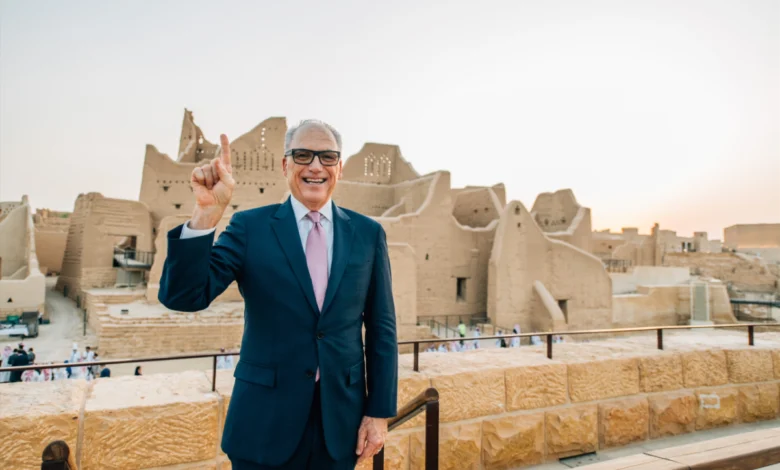
Diriyah Company, the prominent Saudi sovereign fund-backed developer spearheading one of the Kingdom’s most ambitious giga-projects on the outskirts of Riyadh, has formally canceled a substantial SAR 717 million ($191 million) construction contract just nine months after its initial award. The high-profile agreement, originally slated to bring a luxury 325-room hotel to the historic tourism and lifestyle destination, was terminated abruptly, raising questions regarding shifting timelines and strategic realignment within Saudi Arabia’s multi-billion-dollar transformation pipeline.
The canceled contract was initially awarded in February to a joint venture comprising BEC Arabia Contracting, a major regional construction firm, and the Saudi Arabian subsidiary of India-based infrastructure developer Ashoka Buildcon. The scope of work encompassed the comprehensive construction, execution, and delivery of the planned hospitality asset, widely referenced in corporate filings as the One Hotel. However, in a regulatory filing submitted to the Bombay Stock Exchange on November 19, Ashoka Buildcon disclosed that the Diriyah Company had formally notified the joint venture of the termination. According to the filing, the project was called off due to "internal reasons attributable to the employer," leaving industry observers and stakeholders seeking further clarity on the underlying drivers behind the decision.
Chronology of Events and the Evolution of the Project
The timeline leading up to the abrupt cancellation highlights the fast-paced and frequently shifting landscape of Saudi Arabia’s Vision 2030 developments. In February 2024, the joint venture between BEC Arabia and Ashoka Buildcon celebrated securing the lucrative SAR 717 million contract. At the time, the award was viewed as a significant milestone for the international partnership, underscoring the growing involvement of global engineering and construction players in the Kingdom’s massive infrastructure push.
Over the subsequent months, preparatory work and planning phases advanced under the oversight of Diriyah Company, which is led by Group CEO Jerry Inzerillo. The developer operates under the direct backing of Saudi Arabia’s Public Investment Fund (PIF), the sovereign wealth engine driving the nation’s post-oil economic diversification strategy. However, by late autumn, internal strategic reassessments within the upper echelons of the Diriyah development ecosystem prompted a re-evaluation of specific project components. The formal termination notice issued in November brought a sudden halt to the joint venture’s deployment on the One Hotel asset, catching financial markets and construction sector analysts by surprise given the previously stated urgency to accelerate tourism infrastructure ahead of international milestones.
Background Context: The Strategic Significance of Diriyah
To understand the weight of the canceled contract, it is essential to examine the strategic importance of the Diriyah development. Often described as the birthplace of the Kingdom, ad-Dir’iyah is a sprawling historical, cultural, and lifestyle destination anchored by At-Turaif, a designated UNESCO World Heritage Site located just northwest of Riyadh. The overarching Diriyah project is one of several core giga-projects championed by the Saudi government to transform the Kingdom into a global powerhouse for tourism, culture, and commerce.
Spanning a massive geographic footprint, the master plan for Diriyah envisions a city built in traditional Najdi architectural styles, seamlessly integrating residential communities, high-end retail districts, museums, educational institutions, and a world-class collection of luxury hospitality offerings. Under the leadership of Jerry Inzerillo, the Diriyah Company has routinely announced partnerships with globally renowned hotel brands, luxury operators, and international design houses. The inclusion of high-end hotels is vital to the master plan’s financial and operational model, which aims to attract tens of millions of domestic and international visitors annually in alignment with the broader goals of Vision 2030.
The Financial Architecture and Global Partnerships
The financial magnitude of the Diriyah development cannot be overstated. With an estimated multi-billion-dollar valuation, the project relies on a complex web of sovereign funding, public-private partnerships, and international contracting firms. Companies such as Ashoka Buildcon have increasingly looked to the Gulf Cooperation Council (GCC) region—and Saudi Arabia in particular—as a primary growth market to offset domestic infrastructure spending fluctuations.
For Ashoka Buildcon, securing a substantial foothold in the Saudi market via the joint venture with BEC Arabia was heralded as a major strategic victory for its international expansion division. Indian infrastructure firms have historically maintained a strong presence in the Middle East, but participating directly in a premier Saudi giga-project represented a pinnacle of cross-border collaboration. The sudden termination of the contract introduces a degree of friction into these international corporate ties, though regulatory filings indicate that the decision stemmed entirely from internal client-side considerations rather than any performance deficiencies on the part of the contractors.
Corporate Disclosures and Official Responses
Publicly traded entities such as Ashoka Buildcon are bound by strict regulatory standards to disclose material events that could impact their financial standing or operational outlook. The November 19 filing with the Bombay Stock Exchange served as the primary public acknowledgment of the contract’s dissolution. In the filing, company representatives maintained transparency by relaying the exact phrasing provided by Diriyah Company: that the cancellation was executed due to "internal reasons attributable to the employer."
As of late November, Diriyah Company has not issued an extensive public statement elaborating on the specific internal triggers behind the cancellation. Industry analysts point out that giga-projects of this scale frequently undergo scope adjustments, master plan revisions, and timeline optimizations as economic forecasts, capital allocation strategies, and tourism demand models evolve. It remains ambiguous whether the One Hotel project has been permanently abandoned, downsized, or simply deferred to a later phase of the overarching master development schedule, or whether it will be retendered under a restructured architectural and operational framework.
Broader Market Implications for Saudi Giga-Projects
The cancellation of the SAR 717 million contract arrives at a critical juncture for Saudi Arabia’s construction and real estate sectors. In recent months, financial institutions, economic analysts, and international media outlets have closely scrutinized the execution timelines and budgetary pacing of the Kingdom’s numerous giga-projects. As the Public Investment Fund and various state-backed entities manage competing capital demands—spanning infrastructure, green energy, technology, and mega-tourism developments—prioritization has become a central theme of economic management.
Experts suggest that project pacing adjustments are a natural component of large-scale national transformations. Rather than signaling a contraction of the Saudi development agenda, strategic pauses and contract realignments are increasingly viewed as pragmatic responses to capacity constraints, supply chain realities, and shifting macroeconomic conditions. By re-evaluating individual hospitality assets, developers like Diriyah Company can ensure that capital is deployed with maximum efficiency and alignment with long-term financial viability.
Nevertheless, the incident serves as a reminder of the inherent risks and complexities faced by international contractors operating in high-growth emerging markets. Joint ventures relying on foreign subsidiaries must navigate rapid policy shifts, fluctuating material costs, and dynamic client requirements. For BEC Arabia and Ashoka Buildcon, the immediate financial and operational fallout of the cancellation will depend on the terms of the original contract regarding termination clauses, compensation for preparatory work completed, and potential redeployment of resources to other regional projects.
Outlook for the Diriyah Transformation
Looking ahead, Diriyah Company remains under intense pressure to deliver on its ambitious promises. The transformation of ad-Dir’iyah from a historical archaeological site into a vibrant, globally recognized tourism hub is a cornerstone of Saudi Arabia’s cultural diplomacy and economic diversification narrative. With multiple hotel openings, cultural venues, and commercial spaces already operational or in advanced stages of construction, the broader trajectory of the giga-project continues to move forward at a rapid pace.
Market watchers will be keeping a close eye on future procurement announcements from Diriyah Company to determine whether the hospitality capacity lost through the cancellation of the One Hotel contract will be absorbed by alternative developments or revived under a modified framework. As Saudi Arabia marches closer to its Vision 2030 milestones, the ability of state-backed developers to balance rapid expansion with disciplined fiscal and operational management will remain a defining characteristic of the nation’s historic economic renaissance.
Related posts: