Securing Your Final Resting Place: A Comprehensive Guide to VA Burial Benefits and Pre-Need Planning

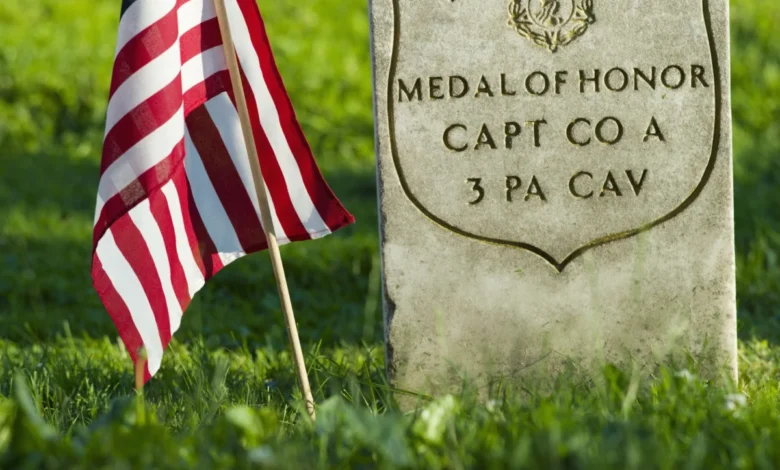
Honoring military service means ensuring veterans and their families receive every benefit they have rightfully earned, and among the most significant yet frequently overlooked of these honors is the right to a final resting place in a Department of Veterans Affairs (VA) national cemetery. While the nation offers various tributes to those who have served in uniform, few are as enduring as the provision of a dignified burial at no cost to the family. However, data suggests that a vast majority of eligible veterans are missing out on this earned benefit, often due to a lack of awareness or the administrative burdens that arise during a period of bereavement.
According to the National Cemetery Administration (NCA), only 15% of eligible veterans are interred in a VA national cemetery annually. Another 5% opt for state, territorial, or tribal veterans’ cemeteries, which are also supported by the federal government. This leaves a significant portion of the veteran population—approximately 15.7 million people in the United States—unaware of, or unprepared to claim, the funeral honors they have secured through their service. As nearly 31% of the current veteran population is aged 75 or older, the urgency for proactive estate planning regarding these burial rights has never been greater.
The Evolution and Scale of the National Cemetery Administration
The history of the national cemetery system is deeply intertwined with the American experience of conflict. Established in the aftermath of the Civil War to ensure that those who fell in defense of the nation were given a proper, perpetual resting place, the system has grown into a vast network managed by the NCA. In 1973, the system handled roughly 36,400 interments. By 2025, that number had surged to over 130,900 interments annually, reflecting both the aging of the veteran population and the expanded awareness of the benefits provided.
Beyond physical burial, the NCA serves as a primary point of contact for families seeking memorialization. In 2025 alone, the agency issued nearly 500,000 Presidential Memorial Certificates—a testament to the ongoing commitment to recognize the service of every veteran, regardless of whether they choose a VA cemetery for their final resting place.

The Financial Reality of Funeral Costs
The necessity of utilizing VA benefits is underscored by the rising costs of private-sector funeral services. According to the 2023 General Price List Study conducted by the National Funeral Directors Association (NFDA), the median cost of a traditional funeral featuring a viewing and burial is approximately $8,300. When cremation is chosen, the median cost drops to about $6,280. These figures, which do not always include cemetery plot fees or headstone costs, represent a significant financial strain on many families.
By contrast, the VA burial benefit acts as a powerful economic equalizer. For those who qualify, the federal government provides a comprehensive suite of services at no cost to the survivors. This includes the gravesite in a national cemetery, the opening and closing of the grave, a government-provided headstone or marker, a burial flag, and perpetual care of the gravesite. These provisions are not merely administrative; they are symbolic of a debt of gratitude that the nation continues to honor.
Who Is Eligible for VA Burial Benefits?
Eligibility for burial in a VA national cemetery is broader than many anticipate, but it is defined by specific criteria. Generally, the benefit is open to:
- Veterans: Those who served on active duty and were discharged or released under conditions other than dishonorable.
- Service Members: Those who die while on active duty.
- Spouses and Dependents: The spouses and minor children of an eligible veteran are often eligible for burial in a national cemetery, even if they pass away before the veteran.
- National Guard and Reservists: Individuals with 20 years of qualifying service who are entitled to retired pay, or those who served on active duty during a wartime period.
Conversely, there are clear exclusions. Individuals who were discharged under dishonorable conditions, those convicted of certain capital crimes, or those who committed specific acts of treason against the United States are generally ineligible for interment in a VA facility.
The "Pre-Need" Advantage: Why Planning Matters
One of the most effective strategies for families is the "pre-need eligibility determination" program. This initiative allows veterans and their family members to apply for a formal determination of eligibility long before the time of death. By completing VA Form 40-10007, the VA conducts a thorough review of the veteran’s service records and documentation.

The primary benefit of this process is administrative certainty. When a death occurs, the loss of a loved one is a period of high emotional stress. Navigating complex government forms and proving military service during this time can be overwhelming. A pre-need decision letter effectively "clears the path," providing the family with a government-verified document that confirms eligibility. This allows funeral directors and cemetery administrators to expedite arrangements immediately.
A Step-by-Step Guide to Securing Eligibility
To secure a pre-need determination, applicants should follow a structured approach to ensure the process is completed accurately:
1. Documentation Collection:
Before submitting, ensure you have the veteran’s DD214 or other separation documents. If these have been lost, they can be requested through the National Archives. You will also need proof of relationship for spouses or dependents.
2. Utilizing Professional Assistance:
The VA process is robust, but it can be dense. Accredited representatives, specifically Veterans Service Officers (VSOs), are trained to assist with these applications. VSOs can ensure that all required documentation is included and that the application is filed correctly to avoid delays.
3. Submission Methods:
Applications can be submitted in three ways:
- Online: Through the VA’s official portal, which is the fastest method.
- By Mail: Sending the completed form and copies of documents to the National Cemetery Scheduling Office.
- By Fax: Utilizing the designated fax numbers provided on the VA website.
4. The Decision Letter:
Once the VA reviews the application, a decision letter is issued. This letter should be kept in a secure, accessible location—such as with a will, a living trust, or other vital estate documents. It is imperative that the executor of the estate or a trusted family member knows exactly where this letter is located.
Limitations and Considerations
It is important for families to understand that a pre-need eligibility letter is not a reservation for a specific plot. While it confirms the individual’s right to be buried in a VA national cemetery, the availability of space is determined at the time of death. The NCA operates over 150 national cemeteries, and while many have space, some are "closed" to new interments, meaning they only accept subsequent interments for those already laid to rest there.
Families are encouraged to use the VA’s online cemetery search tool to identify facilities in their geographic area and check for capacity. Planning early allows families to identify which cemeteries are nearby and whether those facilities are currently accepting new burials.
The Broader Impact: A Final Gift of Service
The decision to utilize VA burial benefits is more than just a matter of financial prudence; it is a final act of service. By pre-planning, a veteran alleviates the burden of decision-making from their survivors. It allows the family to focus on memorializing the life and service of the deceased rather than navigating bureaucratic hurdles.
As the nation moves into the future, the reliance on the NCA will only grow. With the median age of the veteran population increasing, the administrative infrastructure is currently being tested by the volume of requests. By engaging with the pre-need program today, veterans are ensuring that their legacy is preserved according to their wishes, in a final resting place that honors the sacrifices they made for their country.

Ultimately, the VA burial benefit remains a cornerstone of the social contract between the United States and those who have worn its uniform. It is an earned honor—one that the Department of Veterans Affairs stands ready to fulfill, provided the initial steps of preparation are taken. For the veteran and their family, that preparation is the final, essential step in a life of service.