The political landscape of the United States shifted noticeably following the November 3, 2026, midterm elections, sparking an unexpected cultural phenomenon across social media platforms. As Democratic candidates secured critical victories in traditionally Republican-leaning strongholds such as Texas and Kansas, online spaces experienced a sudden and overwhelming wave of nostalgia. Users across TikTok, X (formerly Twitter), and Instagram began resurrecting cultural touchstones from the late 2000s and early 2010s—ranging from Obama-era anthems and Hamilton references to vintage aesthetic memes—ushering in a widespread digital conversation about the resurgence of "millennial optimism."
This collective emotional response has rapidly evolved from a niche internet aesthetic into a breakout cultural trend. Google search metrics indicate a staggering 5,000 percent increase in searches for the term "millennial optimism" in the days following the election results. For many digital natives, the return of this specific brand of hope represents a longing for an era perceived as simpler, more collective, and culturally distinct from the hyper-fragmented, algorithm-driven internet of the mid-2020s.
The Roots of a Cultural Resurgence
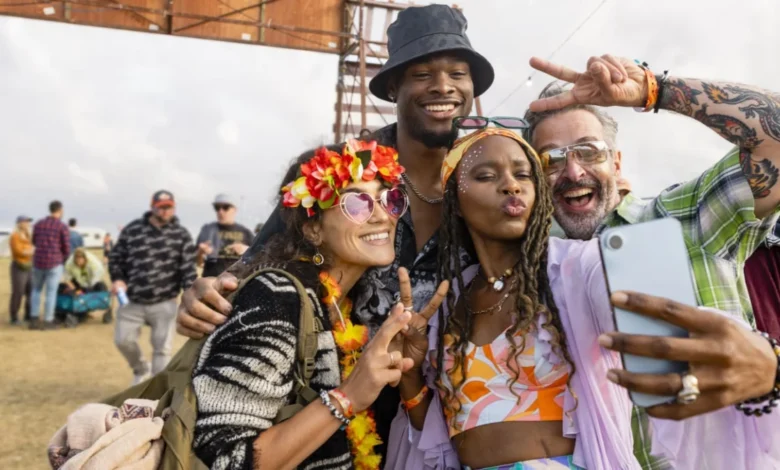
Long before election night materialized a sweeping "blue wave" that ultimately shifted control of both chambers of Congress, the foundational elements of this trend had already been circulating online. Throughout 2025 and much of 2026, TikTok users engaged in a profound exercise in digital nostalgia. Viral videos juxtaposed sep
ia-toned or early-digital Apple Photo Booth selfies, mustache motifs, flower crowns, statement necklaces, and scenes of friends listening to indie folk bands like The Lumineers through tangled wired headphones.

These posts were frequently soundtracked by nostalgic tracks from the late 2000s, most notably indie band The Middle East’s 2009 song "Blood." While older millennials remembered these years as their actual coming-of-age period—navigating high school, college, and early entry into a difficult post-recession job market—a significant portion of the audience driving the trend today consists of older Gen Z users.
For younger demographics who experienced the Obama administration primarily as children, these archives represent an idealized version of young adulthood. It was an era characterized by soaring rhetorical promises of national unity and progressive social change. As one widely shared post on X articulated, millennial optimism invokes an acute sense of longing for a "promised future that never came," capturing the contrast between childhood perceptions of limitless potential and the subsequent socioeconomic realities of adulthood in the late 2010s and 2020s.
Election Night Catalyzes a Digital Phenomenon
When the preliminary results of the November 3, 2026, midterms began projecting significant Democratic gains, this dormant cultural longing instantly transformed into active political celebration. The emotional tenor of the internet shifted overnight. Users began blending contemporary political commentary with high-camp retrospectives of the early 2010s political and cultural ecosystem.
In Austin, Texas, footage of crowds celebrating Democratic victories in local venues to the tune of Fun.’s 2011 hit "We Are Young" went viral, drawing millions of views and serving as the visual anchor for the phrase "millennial optimism up 10000000%." Similarly, references to Lin-Manuel Miranda’s musical Hamilton—which famously premiered on Broadway during Barack Obama’s second term—flooded timelines as users joked about downloading the original cast recording as a metaphorical national anthem for the new political climate.
Corporate social media accounts quickly joined the digital chorus. BuzzFeed, a quintessential media institution of the early 2010s internet culture, participated in the viral exchange by jokingly offering to revert its branding color scheme to blue, further cementing the convergence of millennial internet nostalgia and contemporary political victory.

Contextualizing the Hindsight: A Complex Legacy
While the current internet discourse paints the late 2000s and early 2010s through a soft-focus lens of unwavering hope, historians and cultural analysts note that the era was far from uniformly idyllic. Millennials who came of age during that period faced substantial systemic hardships, including the catastrophic fallout of the 2008 global financial crisis, soaring student loan debt, stagnant wage growth, and a fiercely competitive entry-level job market.
Despite these economic hurdles, the cultural output of the time remained distinctly characterized by earnestness, community-building, and a collective belief in institutional progress. This earnestness stands in stark contrast to the pervasive cynicism, irony, and algorithmic fatigue that have dominated internet culture over the last several years. The current revival is less an objective historical assessment of the Obama administration’s political outcomes and more an emotional yearning for a time when public discourse felt less fractured and civic engagement was framed by aspirational rhetoric.
Broader Implications and Future Outlook
The sudden surge of millennial optimism following the 2026 midterms highlights the profound intersection between political outcomes and digital mental health. In an era marked by deep political polarization, climate anxiety, and economic uncertainty, voters and internet users alike frequently utilize collective humor, shared nostalgia, and pop-culture artifacts as coping mechanisms to process major civic events.
Whether this newly energized wave of optimism will translate into sustained political participation or long-term structural changes remains to be seen. Analysts suggest that what began as a retrospective TikTok trend has now tested its durability in the real-world political arena. As the newly empowered legislative landscape takes shape, the endurance of this cultural moment will depend heavily on whether political leaders can deliver on the high expectations—and the renewed emotional investments—of a generation that has spent over a decade searching for a promised future.