Since its inception in 2014, the TED-Ed Student Talks program has functioned as a global catalyst for youth engagement, providing a structured framework for students to articulate their ideas, refine their public speaking capabilities, and foster collaborative communities. Over the past ten years, the initiative has successfully integrated into thousands of schools worldwide, offering a departure from traditional, rigid pedagogical models. To commemorate this decade of service, TED-Ed has launched its “10 for 10 years” series, a retrospective project that documents the evolution and influence of the program through the perspectives of the educators who facilitate it on the front lines.
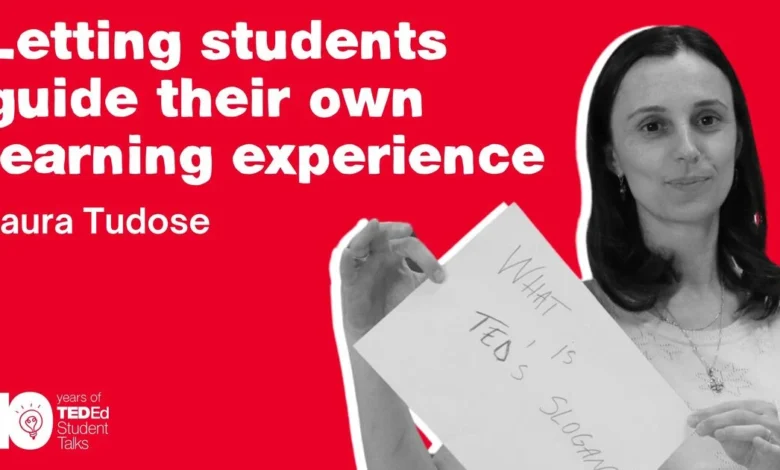
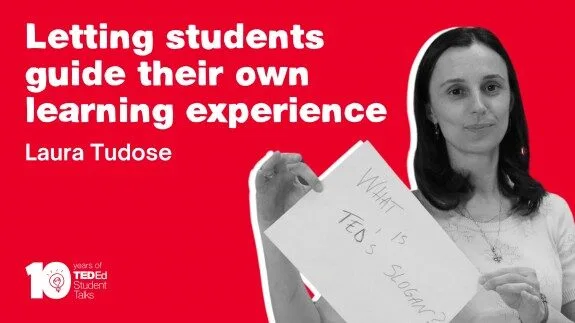
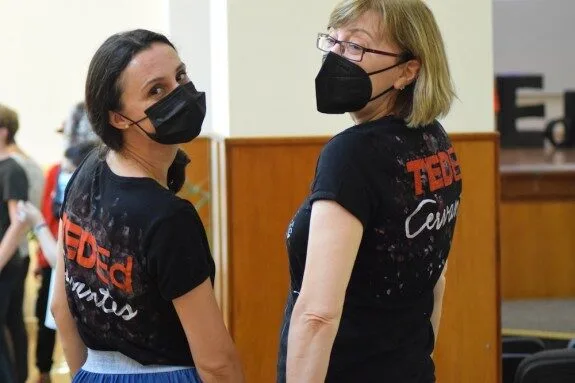
Central to this celebration is the experience of Laura Tudose, an English as a Second Language (ESL) instructor at the Miguel de Cervantes Bilingual High School in Bucharest, Romania. For the past seven years, Tudose has served as a key facilitator for the program, navigating the challenges of introducing a progressive, student-led curriculum within a historically conventional educational environment. Her tenure offers a detailed case study on the efficacy of student-centered learning in Eastern Europe and provides valuable data on how extracurricular programs can effectively bridge the gap between academic requirements and personal development.
The Evolution of a Global Educational Movement
The TED-Ed Student Talks program was designed to mirror the philosophy of the broader TED organization: "Ideas worth spreading." By providing free, comprehensive resources—including the Idea Journal, facilitator guides, and structural templates—the program empowers educators to create safe spaces for intellectual exploration. Since 2014, the program has grown from a nascent pilot project into a global fixture of secondary education, with thousands of student groups currently operating in diverse cultural and political climates.
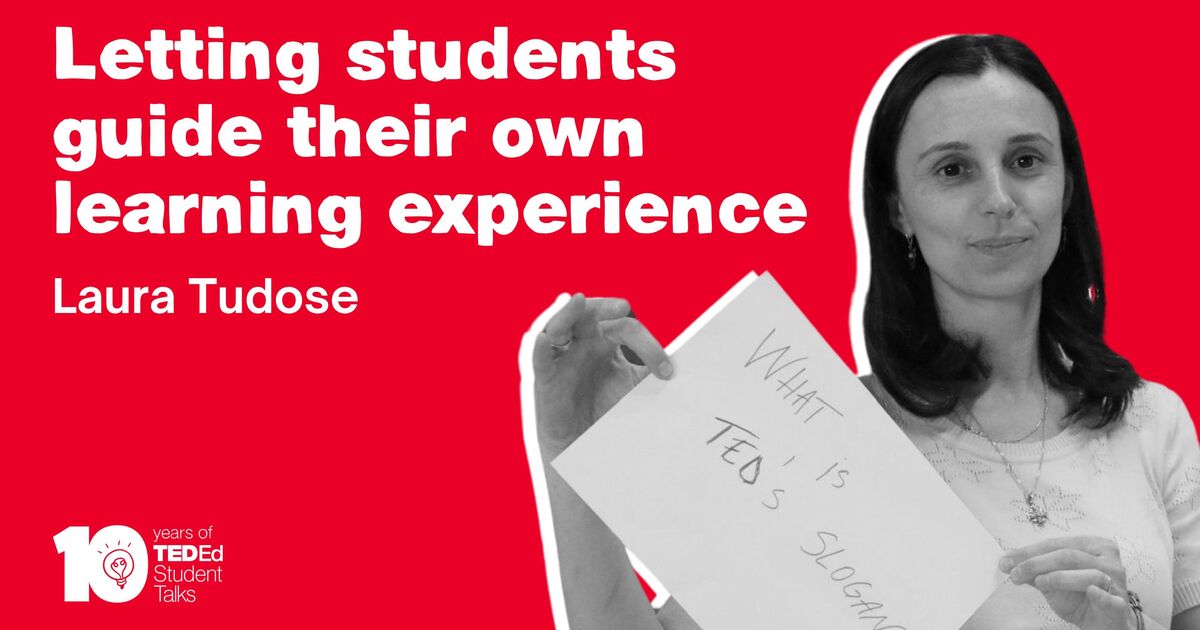
In 2017, when Tudose first implemented the program at the Miguel de Cervantes Bilingual High School, the challenge was twofold: adapting the materials to a Romanian context and overcoming the skepticism inherent in a rigid, state-driven school system. At the time, the school was already utilizing standard TED Talks as supplementary material for English language learners. However, the transition from passive consumption of content to active creation of "student-led talks" required a significant shift in the power dynamic between teachers and pupils.
Pedagogical Shifts and Student Agency
The core philosophy of the Student Talks program is that students should maintain ownership of their learning experience. For educators like Tudose, this requires a fundamental departure from the role of an instructor who imparts knowledge to one who facilitates self-discovery. In the Romanian context, where classrooms have traditionally favored hierarchical communication, the introduction of this program served as a disruption to standard norms.
Tudose emphasizes that the primary objective of the club is to provide a "judgment-free zone" where students can shed the formality of the classroom. This is not merely a social benefit; it is a pedagogical strategy. Research in adolescent psychology consistently indicates that when students feel a sense of psychological safety, their capacity for critical thinking and creative output increases. The "10 for 10 years" report findings suggest that programs emphasizing student voice—like those facilitated by Tudose—result in higher rates of student retention and engagement compared to traditional debate or academic clubs.
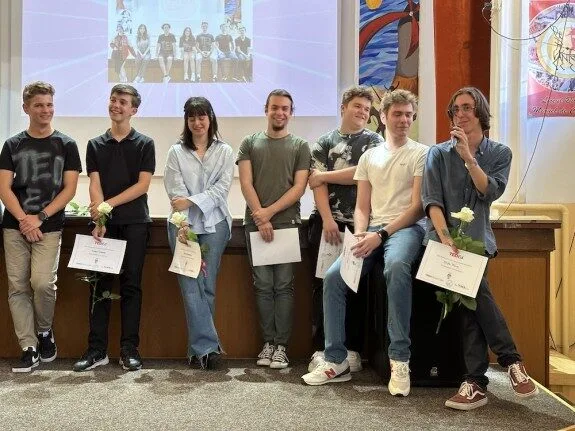
Data from the Miguel de Cervantes group indicates that once students join the program, retention rates hover between 80% and 90%. Remarkably, these levels of engagement often persist beyond the students’ high school graduation, as alumni frequently return to meetings to mentor younger members or share their continued growth. This longitudinal engagement suggests that the program satisfies a need for community and intellectual continuity that is often absent in the standard high school experience.
Measuring Impact: Communication and Confidence
The qualitative impact of the TED-Ed Student Talks program is perhaps most visible in the development of communication skills. By training students to structure their ideas, articulate their viewpoints, and accept constructive feedback, the program prepares them for the rigors of higher education and the modern workforce.
Tudose highlights that the most significant transformation is observed in students who arrive at the program with introversion or a lack of confidence. The process of moving from an initial, unformed idea to a polished presentation on stage provides a quantifiable sense of achievement. For many, this is the first time they have been empowered to define their own curriculum and present it to an audience of peers, family, and educators.
A standout moment in the program’s history at Miguel de Cervantes involved a student whose passion for environmental activism was crystallized through her participation. By selecting an extinct species—the blue parrot—as the subject of her talk, she was able to connect her academic research with her personal values. This presentation did more than fulfill a school requirement; it functioned as a formative experience that guided her career path into full-time environmental advocacy. Such outcomes are a testament to the program’s ability to align academic exercises with the long-term personal and professional development of the participants.
The Role of Physical and Digital Materials
While modern education trends heavily toward digital transformation, Tudose advocates for a hybrid approach, specifically regarding the use of the TED-Ed "Idea Journal." She notes that while digital tools are ubiquitous, the physical, printed journal provides a tangible record of progress that is essential for students who might otherwise struggle with organization.
The journal acts as a chronological map of the student’s thinking process. By allowing students to revisit their initial notes and compare them with their final presentations, the journal reinforces the concept of iteration—a key component of the TED process. For students who meet bi-weekly, this record-keeping is vital to maintaining momentum and ensuring that ideas are not lost between sessions.
Broader Implications for Secondary Education
The success of the TED-Ed Student Talks program at Miguel de Cervantes and similar institutions globally suggests that the model is highly scalable, even in countries with centralized or rigid educational systems. The implications for policymakers are clear: when students are given the autonomy to lead their own learning, they demonstrate a higher level of commitment to their work and a greater willingness to engage with complex topics.
As the program enters its second decade, the focus is shifting toward sustainability and the cultivation of long-term alumni networks. The "10 for 10 years" series highlights that the value of these clubs extends beyond the individual talks. It creates a culture of intellectual inquiry that permeates the wider school community. When students see their peers successfully navigating the challenges of public speaking and idea development, it creates a "multiplier effect" that encourages others to step out of their comfort zones.
Moving Forward: The Future of Student-Led Discourse
As schools around the world continue to grapple with the effects of rapid technological advancement and social shifts, the need for programs that foster authentic communication has never been greater. The experiences of facilitators like Laura Tudose serve as a blueprint for how educators can navigate systemic constraints to provide students with the tools they need to succeed in an increasingly complex world.
The "10 for 10 years" series underscores the fact that the most effective education often happens outside the traditional lecture format. By prioritizing the "student voice," programs like TED-Ed Student Talks are not only preparing the next generation of speakers and thinkers but are also actively changing the culture of schools from environments of compliance to environments of innovation.
For those interested in implementing the program, the path forward involves a willingness to relinquish control, embrace the unpredictability of student-led projects, and provide the structural support necessary for these ideas to flourish. As the program looks toward the next ten years, the focus will likely remain on refining these support systems and ensuring that students in every region have the opportunity to find their voice and share it with the world. Through the continued dedication of facilitators and the ongoing evolution of the program’s resources, the impact of these student-led efforts is set to reach even greater heights in the coming decade.