Lizzo Honors Dolly Parton with Elaborate Halloween Tribute Reflecting on Artistic Collaboration and Legacy

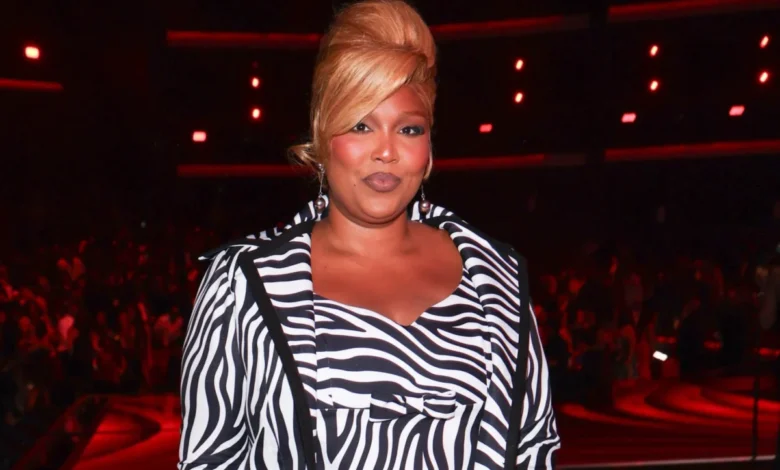
The intersection of country music royalty and modern pop stardom was on full display this Halloween season as multi-instrumentalist and singer Lizzo paid a detailed, visual homage to Dolly Parton. The 38-year-old artist, known for her high-production aesthetic and penchant for elaborate costuming, chose to recreate the iconic visual language of Parton’s 1973 "Jolene" era. The tribute, shared across social media platforms, served as more than a seasonal costume; it functioned as a public acknowledgment of a professional partnership that has spanned genres and generations.
A Detailed Recreation of Country Music History
Lizzo’s tribute centered on the aesthetic popularized by the release of "Jolene," one of the most commercially successful and culturally significant songs in the history of country music. The singer debuted a skin-tight, floral-adorned yellow jumpsuit—a direct nod to the sleeve artwork of the original 1973 single—paired with a platinum blonde wig styled in the classic bouffant silhouette associated with Parton throughout the 1970s.
In a series of videos posted to Instagram, the "Truth Hurts" performer lip-synced to Parton’s 1967 track "Dumb Blonde." By selecting a song that challenges stereotypes surrounding female appearance and intellect, Lizzo underscored the thematic consistency between her own brand of body-positive, self-empowered music and the trailblazing career of the country music icon. The response from the creative community was immediate, with contemporary stars like SZA publicly praising the precision and artistry of the transformation, remarking on the perfection of the execution.
The Chronology of an Unlikely Collaboration
The relationship between Lizzo and Parton is not merely one of mutual admiration between fans and idols, but one rooted in a tangible musical collaboration. To fully understand the depth of Lizzo’s tribute, one must look back to 2023, the year Parton released Rockstar, an expansive collection of rock covers and original compositions that marked her transition into the rock-and-roll genre.
The timeline of this collaboration is significant:
- Early 2023: Parton begins production on Rockstar, seeking a blend of classic rock anthems and modern sensibilities.
- Mid-2023: Recognizing a shared creative vision, Parton invites Lizzo to contribute to a cover of the Led Zeppelin classic "Stairway to Heaven."
- Late 2023: The track is released, featuring Lizzo on the flute—an instrument that has become a signature element of her live performances and studio recordings.
- 2024: Following a period of professional isolation, Lizzo notes that the invitation from Parton was a pivotal moment in her career.
- October 2026: Lizzo utilizes the Halloween season to celebrate this history, showcasing a gold record plaque received for her participation on the Rockstar album.
Analysis of the "Stairway to Heaven" Integration
The decision to include a flute solo in a cover of "Stairway to Heaven" was a bold departure from the original arrangement, yet it became one of the most discussed elements of Parton’s Rockstar project. For Lizzo, the collaboration was deeply personal. In a caption accompanying her Halloween photo gallery, she explicitly referenced the emotional support provided by the country legend.
"In 2024 when the world turned its back on me, Dolly Parton asked me to play flute on her album," Lizzo wrote. Her gratitude was not merely for the opportunity to perform but for the professional validation provided by an artist of Parton’s stature. The request that the credits include "Sasha Floot"—Lizzo’s long-standing persona for her flute-playing craft—demonstrates the level of mutual respect that allowed the collaboration to flourish.

From an industry perspective, this collaboration serves as a case study in the power of cross-genre endorsement. By bringing a pop-rap icon into a country-rock framework, Parton successfully bridged disparate demographics, while Lizzo gained a high-profile platform that reinforced her status as a serious musician rather than solely a vocalist.
Cultural Implications and Brand Alignment
Lizzo’s choice to embody Parton is indicative of a broader trend among major pop stars who use Halloween as a vehicle to signal their artistic influences. However, the depth of this specific tribute suggests a calculated effort to align with the "Dolly Parton brand"—a brand characterized by unwavering positivity, professional longevity, and a reputation for philanthropy.
Dolly Parton has long been cited as a blueprint for female artists navigating the pressures of the music industry. Her ability to maintain creative control, own her masters, and foster an image of inclusivity has made her an aspirational figure for younger artists. Lizzo’s commentary—specifically her appreciation for Parton "believing in the good of humanity"—reflects a desire to position her own career within that same tradition of empathy and resilience.
Beyond the Costume: A Versatile Performer
While the Dolly Parton tribute captured the most attention, it was part of a wider series of performances and character studies from the singer during the 2026 season. Lizzo also debuted a costume portraying the character Seiko Ayase from the anime series Dandadan. This indicates a shift in the artist’s public-facing persona, moving away from purely promotional work and toward more experimental, character-driven content creation.
By diversifying her creative output, Lizzo is able to maintain audience engagement during gaps in her album cycles. The technical rigor required to recreate the "Jolene" look, combined with the commitment to the "Dumb Blonde" lip-sync, highlights a dedication to detail that fans and critics alike have come to expect from her brand.
Conclusion: The Legacy of Mentorship
The exchange between the two artists, culminating in this public tribute, serves as a testament to the importance of mentorship in the music industry. As Lizzo continues to navigate her career, her public alignment with figures like Parton provides a roadmap for longevity.
The "Jolene" tribute was not merely a seasonal display; it was a curated piece of digital performance art that synthesized history, gratitude, and personal growth. As the music industry continues to evolve, such moments of intergenerational solidarity serve as reminders of the enduring influence of established icons on the next generation of performers. Whether through a flute solo on a rock record or a meticulously recreated 1970s jumpsuit, the dialogue between these two artists remains a compelling narrative of professional respect and shared humanity in an often volatile industry.
As of late 2026, the resonance of this tribute continues to circulate, proving that for artists of Lizzo’s caliber, the line between performance art and personal advocacy is increasingly blurred, allowing for a more nuanced and intimate connection with their global audience.
Related posts: