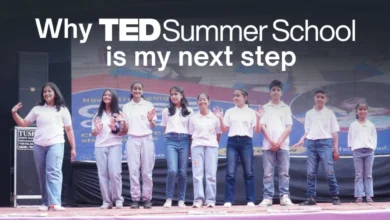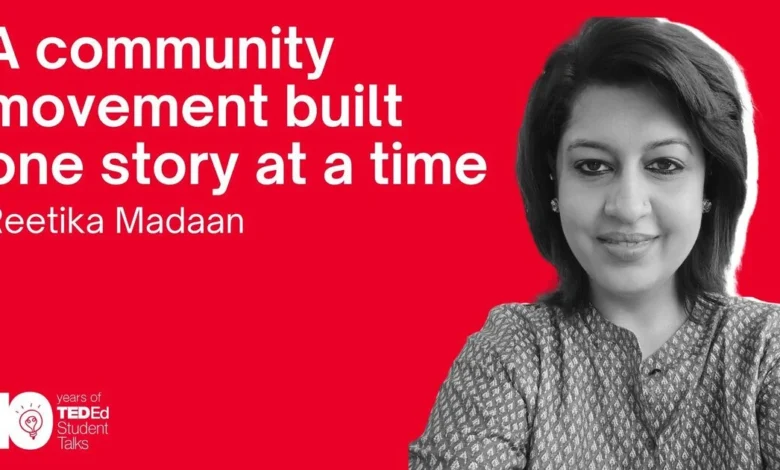
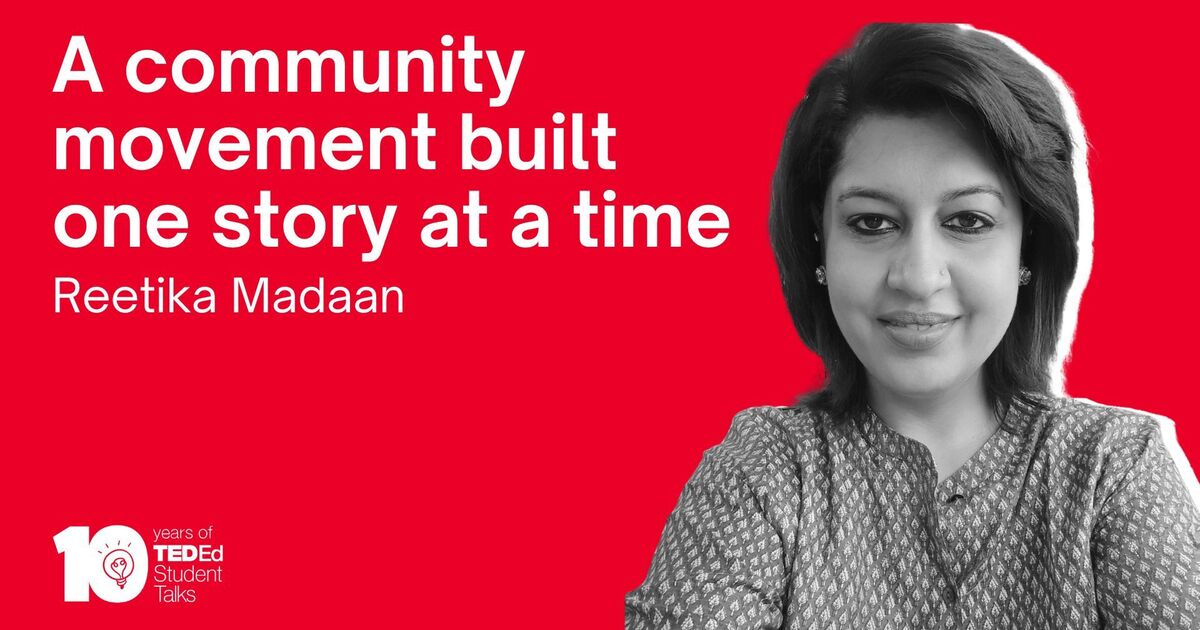
Since its inception in 2014, the TED-Ed Student Talks program has functioned as a global catalyst for youth expression, providing a structured framework for students to identify, develop, and present their ideas on a public platform. As the organization marks the tenth anniversary of this initiative, it has launched the "10 for 10 years" series, a collection of narratives documenting the program’s influence on educators and students alike. Among the most prominent figures in this decade-long evolution is Reetika Madaan, an independent educator based in Ludhiana, India, whose work exemplifies the program’s capacity to thrive outside traditional institutional settings.
The Genesis of a Grassroots Educational Movement
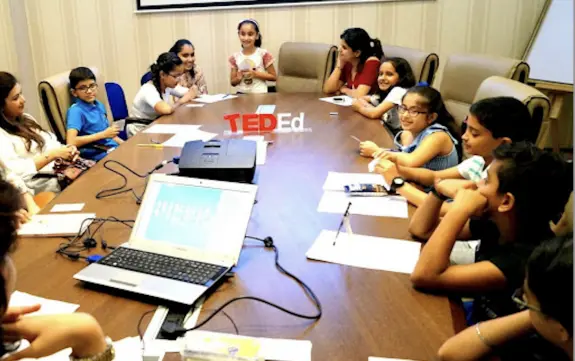
In 2016, Reetika Madaan identified a significant void in the educational landscape of Ludhiana. While the city boasted a large and ambitious student population, the existing academic infrastructure offered few outlets for students to explore topics beyond the standardized curriculum. Recognizing that formal education often prioritized rote learning over critical thinking and communication, Madaan opted to launch an independent chapter of the TED-Ed Club.
Operating without institutional backing, school grants, or a formal administrative mandate, Madaan’s initiative was built entirely on a foundation of community outreach and pedagogical commitment. This grassroots approach required navigating the complexities of establishing credibility in an environment accustomed to traditional schooling. By focusing on individualized mentorship rather than mass instruction, Madaan sought to transform the way local students engaged with their own ideas.
A Chronology of Growth: From Three Students to a City-Wide Platform
The trajectory of the Ludhiana chapter serves as a case study in the scalability of the TED-Ed model. The program began with a pilot group of just three students. Through consistent, weekly sessions that emphasized research-oriented thinking and rhetorical development, the program’s reputation began to grow organically.
- 2016: Launch of the Ludhiana TED-Ed Club with an initial cohort of three students.
- 2017–2018: Early expansion phase; the program reaches 25 to 30 active participants as parental trust grows through demonstrated student progress.
- 2019–2020: Integration with broader community projects and the first wave of collaborations with local schools that began seeking out Madaan’s expertise.
- 2021–2023: Maturation of the program; students begin transitioning to high-level public speaking opportunities, including participation in TEDx events, while the alumni network continues to expand.
Throughout this period, the program facilitated the training of over 50 speakers representing 15 different schools across Ludhiana. This expansion was not driven by institutional top-down mandates but by the increasing demand from parents and students for extracurricular activities that foster personal development rather than mere academic competition.
Pedagogical Evolution and Skill Development
The TED-Ed Student Talks curriculum has undergone significant refinements over the last ten years. In its early iterations, the program provided a foundational framework of basic guidance. As the needs of diverse student populations became clearer, the curriculum evolved into a comprehensive, visually-driven playbook. This updated resource provides facilitators with structured, inquiry-based exercises that encourage students to move beyond surface-level narratives.
The primary objective of this curriculum is to cultivate "layered thinking." By requiring students to conduct thorough research and structure their arguments logically, the program bridges the gap between raw enthusiasm and articulate advocacy. Madaan notes that the most significant transformation observed in her students is not limited to their public speaking abilities, but rather extends to their capacity for critical inquiry and risk-taking in their daily lives.
Challenges of Non-Institutional Facilitation
Implementing such a program outside of the traditional school environment presents distinct challenges, primarily regarding legitimacy and logistics. Without a "school bell" to structure the day or institutional resources to provide space and materials, independent facilitators must act as community builders.
Madaan identifies the "outsider" status as the most significant hurdle in the early years. To overcome this, she focused on documenting the tangible outcomes of her sessions. By presenting the progress of students to their parents, she secured the necessary buy-in to sustain the program. This strategy created a virtuous cycle: parents, witnessing their children’s increased confidence and academic engagement, became the primary advocates for the program, eventually compelling schools to acknowledge the value of the initiative.
Broadening the Impact: Beyond the Red Dot
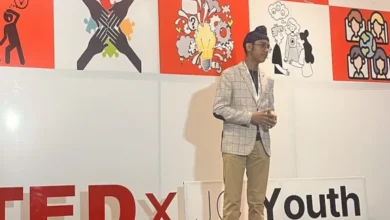
The ultimate measure of the program’s success, according to Madaan, is the degree to which students move past the pressure of performance and toward the substance of their message. A standout milestone for the Ludhiana chapter was the curation of TEDxSarabhaNagar, where students such as Rayaansh Pahwa and Amaya Sahni delivered talks on topics ranging from the limitations of the current educational system to personal growth.
These moments of public presentation are viewed as the culmination of long-term mentorship. For the facilitator, the role is not merely to coach a speaker but to act as a witness to the development of the student’s identity. The emphasis on "story over stage time" remains the guiding philosophy for successful facilitation within the TED-Ed network.
Implications for Future Educational Initiatives
The success of the Ludhiana model suggests several key implications for the future of extracurricular education:
- The Demand for Personalized Learning: Students are increasingly seeking avenues for expression that align with their personal interests rather than standardized assessment metrics.
- The Role of Independent Facilitators: As education becomes more decentralized, independent facilitators play a crucial role in providing high-quality, structured development programs that schools may lack the capacity to host.
- Parental Engagement as a Driver of Success: For initiatives outside the school system, the active involvement and trust of parents are essential to long-term sustainability.
- The Necessity of Foundational Belief: The most lasting impact of such programs is the cultivation of self-efficacy in students. When students feel their voices are valued, their approach to academic and personal challenges becomes more resilient.
Perspectives on Best Practices
Reflecting on nearly a decade of experience, Madaan offers a roadmap for prospective facilitators. She emphasizes that the process of developing a student talk is a deeply personal one. Facilitators are encouraged to:
- Encourage Vulnerability: Prompt students to discuss topics that others do not know about them, fostering genuine connection.
- Exercise Patience: Recognize that public speaking and critical thinking are developmental processes that cannot be rushed.
- Prioritize the Individual: Ensure that the student understands that the goal is the expression of their idea, not the perfection of their stage presence.
For parents, the advice centers on the importance of autonomy. By providing children with the space to develop their own thoughts without the constant pressure of immediate perfection, parents can help foster a generation of articulate, thoughtful, and confident communicators.
Conclusion: A Legacy of Communication
As TED-Ed looks toward its next decade, the impact of the Student Talks program is evident in the thousands of young people who have gained the confidence to articulate their perspectives. The story of the Ludhiana chapter underscores a fundamental truth about modern education: when provided with the right tools, a supportive environment, and the freedom to explore their own narratives, students are capable of profound contributions to public discourse. The program continues to serve as a model for how independent educational initiatives can successfully fill the gaps in traditional systems, ultimately empowering students to transition from passive learners to active, informed voices in their communities.