National Sandwich Day 2020: How Major Chains and Local Delis Celebrate the Ultimate Culinary Holiday

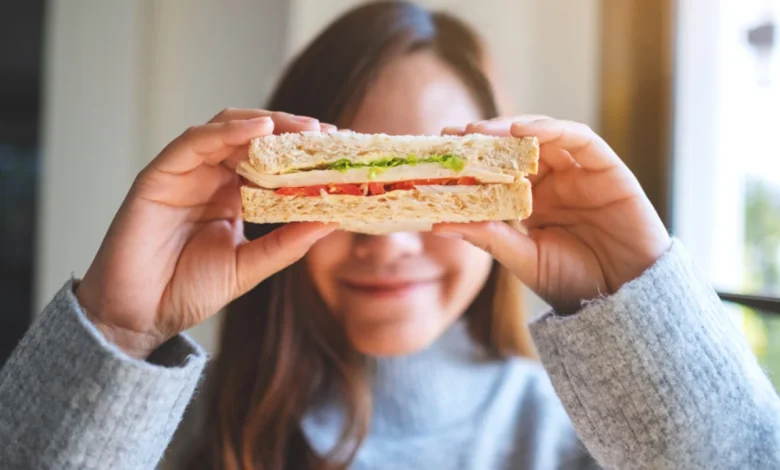
The culinary landscape pauses annually on November 3 to observe National Sandwich Day, a secular food holiday dedicated to one of the most versatile, universally consumed meal formats in modern gastronomy. Across the United States, major quick-service restaurant chains, regional franchises, and independent corner delis mark the occasion by rolling out promotional campaigns, featuring everything from buy-one-get-one-free offers to steep discounts on signature footlongs and specialty wraps. As consumers increasingly look for value in the quick-service dining sector, National Sandwich Day functions as both a celebration of a lunchtime staple and a strategic marketing blitz designed to drive customer acquisition and loyalty program enrollment.
Historical Origins of the Sandwich and the Modern Holiday
To understand the cultural resonance of National Sandwich Day, culinary historians often point to the enduring mythos surrounding its namesake, John Montagu, the 4th Earl of Sandwich. Legend holds that the 18th-century English aristocrat requested his meat be served between two slices of bread so he could continue playing cards during a marathon gaming session without soiling his fingers or pausing his entertainment. While variations of meat-and-bread combinations existed in various cultures for centuries prior—ranging from medieval trenchers to Jewish Passover sandwiches crafted by Hillel the Elder—the Earl popularized the nomenclature that would endure globally.
The modern designation of November 3 as National Sandwich Day, however, is a product of contemporary consumer culture and food-marketing calendars. While the exact origins of who officially founded the calendar date remain somewhat obscure, the holiday gained widespread commercial traction over the past two decades. Major corporate food chains recognized the date’s potential to generate viral social media engagement, boost foot traffic during the traditionally slower post-summer shoulder season, and incentivize digital app downloads through targeted promotional giveaways.
Anatomy of the 2020 Holiday Promotions
The observance of National Sandwich Day brings a diverse array of pricing strategies and promotional offers from major players in the fast-casual and quick-service restaurant industry. For consumers navigating a changing economic landscape in late 2020, these promotional events provide accessible dining options through structured discounts.
Major national brands have historically utilized the holiday to showcase flagship menu items. For instance, prominent campaigns often feature offers such as free footlong submarine sandwiches at Subway or complimentary wraps at Potbelly Sandwich Shop. These promotions are frequently tied to specific operational mechanisms designed to maximize customer lifetime value, such as requiring orders to be placed through proprietary mobile applications or digital loyalty accounts.
Industry analysts note that these promotional structures are carefully calibrated. By offering a complimentary item with a purchase—such as a "buy one, get one free" (BOGO) deal—restaurants protect their profit margins while still delivering perceived high value to the consumer. This approach encourages trial of new menu items, rewards existing brand loyalists, and populates corporate customer databases with first-party data that can be leveraged for future marketing initiatives.
Navigating Local Specials and Independent Delis
While national and regional chains command significant advertising budgets and occupy prime digital real estate to promote their National Sandwich Day discounts, the broader culinary ecosystem of the holiday extends far beyond corporate franchises. Neighborhood sandwich shops, traditional Italian delis, Jewish-style bakeries, and independent food trucks frequently participate in the day with their own unique specials.
Independent establishments often take a localized approach to the holiday. Rather than offering mass-market digital coupon codes, local proprietors might feature a signature heritage sandwich at a discounted price, introduce a limited-time experimental creation, or bundle a sandwich with a house-made side and beverage. Culinary experts emphasize that supporting independent operators on food-centric holidays contributes directly to local economic vitality, helping neighborhood businesses compete against deep-pocketed national chains.
The Role of Digital Platforms and Social Media in Modern Food Holidays
In the contemporary retail environment, the success of a food holiday like National Sandwich Day is inextricably linked to digital marketing infrastructure. Social media platforms—including Twitter, Instagram, and Facebook—serve as the primary distribution channels for flash deals, promotional codes, and viral food campaigns.
Restaurants increasingly rely on social media algorithms and geo-targeted advertisements to reach consumers in real time on November 3. For shoppers and diners, checking a favorite retailer’s digital channels has become a standard protocol before making a lunch or dinner purchase. Furthermore, corporate chains frequently utilize the holiday to drive app adoption, embedding freebie offers exclusively within their digital applications to capture valuable user metrics and streamline ordering operations.
Economic Implications and Quick-Service Industry Trends
From a macro-level perspective, food holidays serve as a case study in consumer behavior and the economics of the quick-service restaurant (QSR) sector. The restaurant industry relies heavily on recurring calendar events—ranging from National Pizza Day and National Taco Day to National Sandwich Day—to manufacture demand cycles throughout the year.
During periods of broader economic uncertainty, such as the economic fluctuations experienced throughout 2020, value-driven promotions carry heightened significance. Consumers gravitate toward promotional dining options as a form of accessible indulgence. For restaurants, absorbing the temporary cost of a discounted or free item is offset by the volume of accompanying purchases, such as fountain beverages, chips, cookies, and upcharged premium toppings.
Moreover, the operational logistics required to execute a successful National Sandwich Day highlight the sophistication of modern supply chain management and kitchen throughput. Quick-service establishments must accurately forecast inventory demands—ensuring sufficient quantities of fresh bread, sliced meats, cheeses, and produce—to prevent out-of-stock scenarios that can lead to customer dissatisfaction.
Strategic Advice for Consumers and Deal-Seekers
For diners looking to maximize savings during National Sandwich Day, consumer advocates and financial experts recommend a proactive approach to research and planning. Because promotional terms vary significantly between corporate chains and independent operators, a baseline level of verification is essential.
- Verify Terms and Exclusions: Promotional offers frequently carry fine print. Consumers should check whether a deal requires a minimum purchase, is restricted to specific menu items, or excludes delivery orders placed through third-party aggregator apps like DoorDash or Uber Eats.
- Utilize Proprietary Apps: Many of the most lucrative national discounts are locked behind brand-specific mobile applications. Downloading and registering for these apps ahead of time ensures seamless redemption.
- Explore Local Favorites: Do not overlook neighborhood delis. Checking local business social media pages or calling ahead can uncover hidden culinary gems and community-centric specials that national chains cannot replicate.
- Plan for Peak Hours: Given the popularity of the holiday, lunch and dinner rushes at participating restaurants are often significantly busier than average. Planning orders during off-peak hours can reduce wait times.
Broader Cultural Significance of the Sandwich
Beyond the corporate discounts and marketing strategies, National Sandwich Day touches upon a deeper culinary truth: the sandwich is one of the most culturally adaptable food formats in human history. From the Vietnamese bánh mì and the Mexican torta to the classic American club sandwich and the New York pastrami on rye, the concept of encasing ingredients between bread transcends cultural boundaries.
The holiday offers a moment of collective appreciation for the culinary artisans, deli workers, bakers, and line cooks who prepare these meals daily. As consumers partake in the various deals, discounts, and regional specialties available on November 3, National Sandwich Day solidifies its place as a fixture of the modern culinary calendar, blending commercial strategy with enduring gastronomic pleasure.