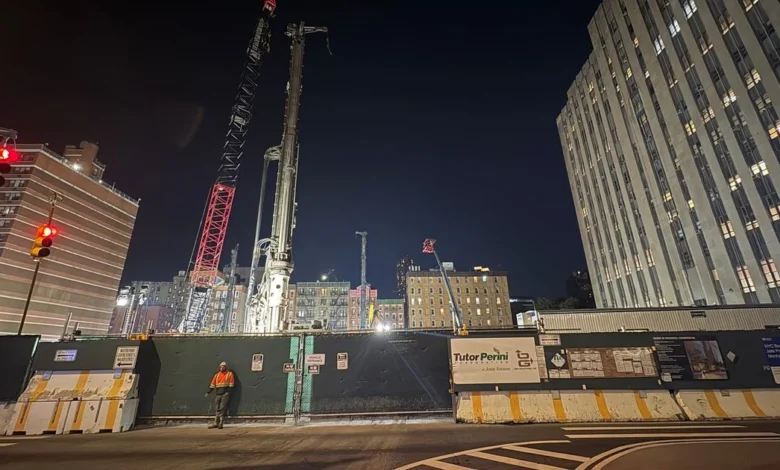
A coalition of Chinatown residents, local business owners, and community advocacy groups has filed a lawsuit in the Manhattan Supreme Court, seeking an immediate injunction to halt late-night construction activities at the site of the new Manhattan Detention Complex. The legal action, launched on October 26, 2026, marks the latest escalation in a protracted battle between the city’s administration and a neighborhood that contends it is bearing an inequitable burden for a massive public infrastructure project.
The ongoing construction, which involves the demolition of the former jail known as the "Tombs" and the development of a 335-foot-tall, 1,040-bed facility, has entered a phase of intensified activity. Under a revised schedule, city contractors are operating drill rigs and heavy machinery until midnight, with delivery schedules commencing as early as 4:00 a.m. The plaintiffs, including the nonprofit organization Welcome to Chinatown and the advocacy group Neighbors United Below Canal, argue that this "around-the-clock" pace—implemented to ensure the facility opens by 2032—violates environmental mandates and imposes severe, unmitigated health and quality-of-life hardships on the surrounding population.
A Chronology of Contention
The project to replace the aging, notorious Rikers Island complex with four borough-based jails has been plagued by delays since its inception. Originally envisioned as a swift transition to a more humane, localized correctional system, the timeline has continuously slipped.
- 2019: The New York City Council approves the borough-based jail plan, promising to close Rikers Island by 2027.
- 2022: Initial legal challenges from local activists and preservationists attempt to halt demolition, citing the historical significance of the site and the potential for neighborhood disruption.
- 2024–2025: Construction on the Manhattan site falls significantly behind schedule due to procurement issues and logistical hurdles.
- October 2026: The city announces an "extended work hours" advisory, authorizing construction noise and vibrations from 6:00 a.m. to midnight, sparking immediate community outrage.
- October 26, 2026: A Manhattan Supreme Court judge issues a temporary stay on late-night work following the filing of the lawsuit.
The Human Toll: Evidence from the Field
The lawsuit provides a granular look at the toll the project is taking on the neighborhood. Residents living in immediate proximity to the White and Centre Street site describe a landscape defined by relentless noise, light pollution, and structural vibrations.
Jon Alpert, a 77-year-old documentarian and resident of 87 Lafayette Street, submitted an affidavit highlighting the physiological and professional toll. Alpert, who is currently undergoing treatment for metastatic prostate cancer, reports that the only window for restorative sleep occurs in the four-hour gap between midnight and 4:00 a.m. The noise, he asserts, is "torture." His place of work, DCTV, has seen its essential operations—including audio-recording, evening classes, and film screenings—become virtually impossible to sustain due to the constant tremors and cacophony.
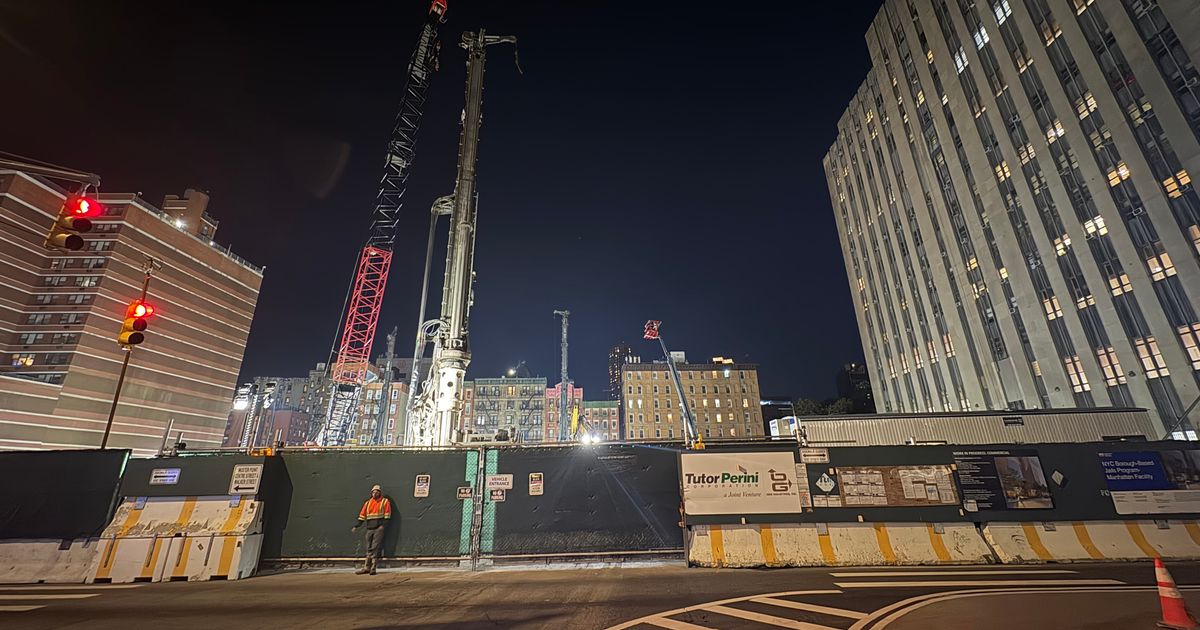
Other residents, such as 88-year-old Ping Ai Mei of the nearby Chung Pak senior housing facility, have reported worsening health conditions attributed to the constant intake of construction dust. The complaint notes that many families are unable to open their windows, trapping them in air-stifled environments illuminated by high-intensity floodlights throughout the evening.
The Legal and Environmental Argument
At the heart of the litigation is the question of whether the city is prioritizing a self-imposed, "arbitrary" deadline over the welfare of its citizens. The city’s current goal of a 2032 completion date is, according to the plaintiffs, a target that does not justify the abandonment of standard noise and work-hour regulations.
The legal complaint asserts that the city has bypassed essential environmental review protocols. Under New York State law, significant deviations from approved construction plans—such as shifting from standard daytime hours to an 18-hour-per-day operation—require an updated environmental impact assessment. The plaintiffs argue that the city failed to conduct such a study, ignoring the cumulative effects of light, noise, and vibration on a dense residential and commercial district.
Furthermore, the suit challenges the city’s justification for the extended hours. The city argues that the work is a "moral imperative" to facilitate the closure of Rikers Island. However, the plaintiffs contend that state law only permits after-hours construction for projects that directly serve an immediate public health and safety emergency, a criteria they argue a future jail building does not meet.
The City’s Position and Broader Implications
The Mamdani administration maintains that the urgency of the project is non-negotiable. City officials point to the systemic failures of Rikers Island, where violence and poor conditions remain a persistent crisis. In 2025, fifteen people died while in custody at the facility; through October 2026, four more deaths have been recorded.
Dana Kaplan, serving as the city’s "Close Rikers" czar, has characterized the rapid development of the new facilities as a moral duty to both the incarcerated population and the Department of Correction staff. By moving to modern, high-security facilities, the administration claims it can provide significantly improved conditions that are currently impossible to maintain in the aging, crumbling infrastructure of the current system.

Sam Raskin, a spokesperson for the Mayor, stated that the city is reviewing the lawsuit but remains committed to the project. "The administration is committed to meeting our moral and legal obligations to closing the jails on Rikers Island and transitioning to a safer, more humane borough-based correctional system," Raskin said.
Economic and Urban Planning Analysis
The economic stakes are also significant. The city has estimated that reverting to a standard weekday-only schedule would push the completion date to 2034 and increase the total cost of the project by approximately $340 million, on top of the already astronomical $3.9 billion estimate.
For the local economy, however, the "cost" is measured in the viability of neighborhood businesses. Organizations like Welcome to Chinatown argue that the ongoing, years-long disruption threatens the survival of small businesses already struggling with post-pandemic recovery. If the neighborhood becomes unlivable, the commercial ecosystem that supports these businesses will inevitably collapse, leading to a loss of the unique cultural and economic character of Lower Manhattan.
Conclusion: A Precedent for Future Infrastructure
The case represents a fundamental tension in urban planning: the conflict between city-wide policy goals and local community impacts. As New York City attempts to modernize its carceral system, it is encountering the harsh reality of "NIMBY" (Not In My Backyard) sentiment, though amplified by the extreme nature of 24-hour construction.
The outcome of the Manhattan Supreme Court case will likely set a legal precedent for how the city balances infrastructure mandates with the rights of residents to a reasonable quality of life. Whether the court forces the city to adhere to more conventional construction hours—thereby potentially delaying the closure of Rikers—or allows the current pace to continue under the guise of an "urgent public health necessity," the situation in Chinatown has already become a flashpoint in the debate over the city’s future. For now, the drills remain silent at night, providing the residents of Baxter and White Streets a temporary, fragile reprieve.