For decades, the standard for residential real estate listings in major metropolitan markets like New York City has been dictated by a strict, minimalist aesthetic. The goal, according to traditional industry wisdom, was to present a "blank slate"—a clean, de-cluttered space that allowed prospective buyers or renters to project their own lives onto the floor plan. This approach led to the rise of professional home staging, a multibillion-dollar industry dedicated to removing personal effects, family photos, and idiosyncratic décor. Yet, a peculiar trend has emerged that challenges this long-standing convention: real estate agents are increasingly inserting themselves into the listing photos, turning the unit into a backdrop for their own personal branding.
From Park Slope townhouses to luxury lofts in downtown Manhattan, agents are now frequently captured lounging on windowsills, sitting on sofas, or walking through common areas. While some brokers argue this provides a sense of scale and lifestyle, others view it as an unwelcome intrusion into what is arguably the most significant financial transaction a client will ever make.
The Evolution of the "Human-Included" Listing
The practice of including the broker in professional photography has transitioned from what was once dismissed as a sloppy mistake—a photographer capturing an assistant by accident—to a deliberate marketing strategy. This shift mirrors the broader influence of social media, where the "personal brand" of the realtor often carries as much weight as the listing itself.
Michaela Morton, an agent with Compass, recently made headlines for a listing at 130 Eighth Avenue in Park Slope, where she was photographed reclining on a living room windowsill. For Morton, the move was intentional. She argues that vacant, sterile spaces fail to evoke the emotional connection necessary to close a deal. By posing in the space, she believes she is providing a narrative to the potential buyer, demonstrating how one might inhabit the room.
This sentiment is echoed by agents like Becki Danchik of Christie’s International, who has appeared in listing photos at 5 Tudor City Place. Danchik’s photos often feature her with her dog, aiming to sell not just the square footage, but the specific lifestyle associated with the neighborhood. These agents maintain that they are adding "value-add" content to an otherwise static digital experience.
A Departure from Conventional Staging Wisdom
The trend stands in stark contrast to the advice dispensed by high-profile brokers and staging experts. Kelly Killoren Bensimon, a prominent figure in New York real estate and a veteran of the reality television world, has long championed the idea of "depersonalization." She has frequently advised sellers to remove everything from personal trinkets to family portraits, arguing that buyers do not wish to engage in the "memory lane" of a stranger.
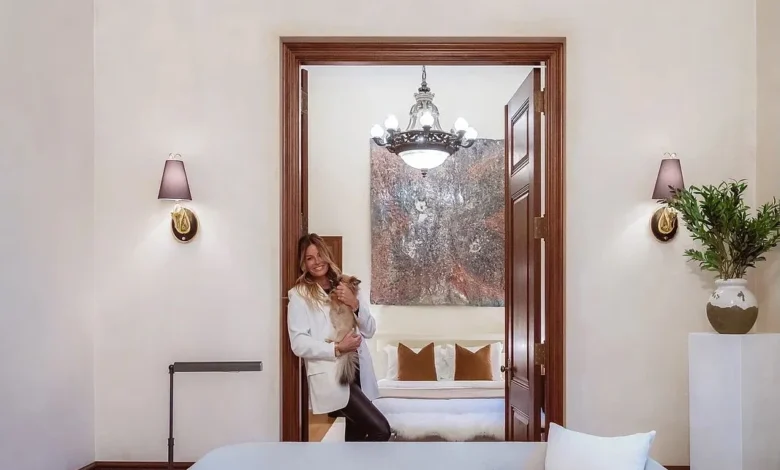
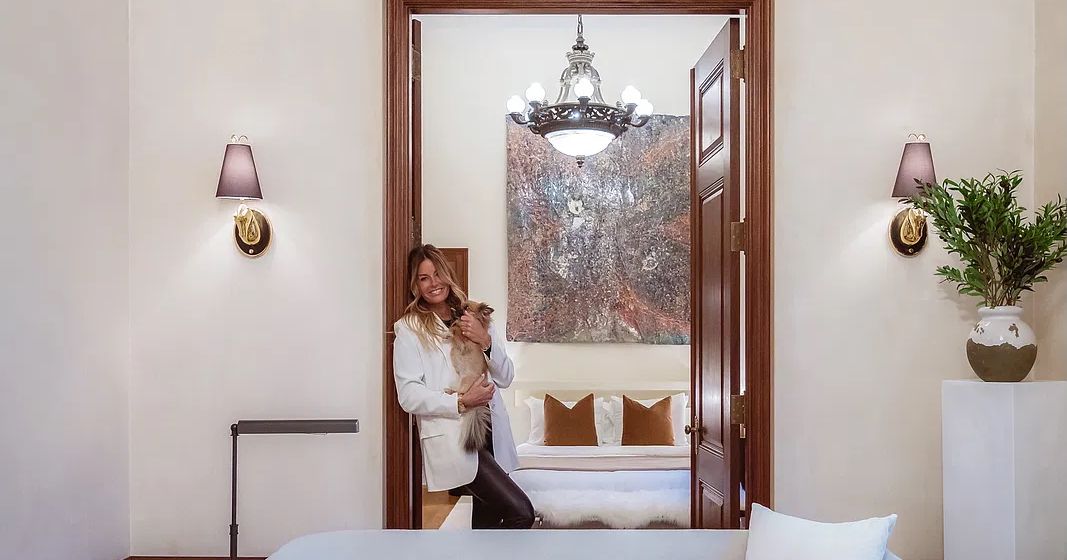
However, Killoren Bensimon herself has utilized the strategy of appearing in her own listings. At 240 Centre Street, she has appeared in promotional imagery, leaning against doorframes or interacting with the space. Her justification is rooted in the idea of the "value-add," suggesting that in certain high-end or unique properties, a human presence can act as a catalyst for interest.
Market Data and Consumer Psychology
The move toward human-inclusive photography comes at a time when the real estate industry is grappling with the rapid integration of artificial intelligence (AI). Modern buyers are increasingly skeptical of digital imagery, often fearing that listing photos are misleading or entirely generated by software.
Industry analysts suggest that the presence of a real person in a photo can serve as a form of "proof of reality," confirming that the room is physically existent and not merely a result of virtual staging software. However, this has created a double-edged sword: some consumers now reflexively assume that if an agent is in the photo, the image must be AI-generated, leading to confusion and skepticism.
From a statistical standpoint, the impact on "time-on-market" remains debated. While agents like Morton report high interest—citing 17 groups touring her Park Slope listing over a single weekend—it is difficult to isolate the role of the photography from the broader variables of pricing, location, and current market conditions.
The "Separation of Church and State"
Despite the enthusiasm of some, the practice faces significant pushback from veteran brokers who view the intrusion as unprofessional. Peter Zaitzeff, an agent with Serhant and a star of the series Owning Manhattan, represents the traditionalist view. He maintains a clear distinction between the "fun marketing" of social media and the formal business of listing a property.

"We’re selling a home, not ourselves," Zaitzeff explains. "You don’t come with a home." This sentiment highlights a growing divide in the industry: the rise of the "influencer-broker" versus the "transactional broker." For Zaitzeff and his contemporaries, injecting oneself into a listing photo blurs the line between the service provider and the product, potentially distracting the buyer from the actual property features.
Broader Implications for the Real Estate Sector
The trend of brokers appearing in photos is likely a byproduct of the "attention economy." As platforms like Zillow, StreetEasy, and Instagram become the primary gateways for real estate discovery, agents are under increasing pressure to stand out. A photo of a standard living room is easily scrolled past; a photo of a well-dressed agent sitting on a windowsill is more likely to cause a pause in the user’s scrolling rhythm.
However, the long-term implications of this strategy remain uncertain. If the practice becomes ubiquitous, the "novelty" will dissipate, potentially leading to a market-wide fatigue where agents are seen as clutter rather than assets. Furthermore, there is the risk of alienating buyers who find the practice self-indulgent or distracting.
Chronology of the Trend
- Early 2020s: Real estate listings rely heavily on professional, empty-room staging or early iterations of virtual staging.
- 2023: The rise of social media-focused real estate content (video tours, Instagram Reels) normalizes the "personality-led" brokerage model.
- 2024: Agents begin experimenting with "lifestyle photography" within formal listing carousels on major portals.
- 2025-2026: The practice gains wider adoption, leading to public debate over the appropriateness of agents appearing in listing photos, fueled by the proliferation of AI-generated content.
Conclusion: Where Does the Industry Go From Here?
The debate over whether a broker belongs in a listing photo is ultimately a question of purpose. Is the primary function of a listing photo to provide an objective architectural record of a space, or is it to create an emotional hook?
As the market continues to evolve, the industry will likely see a bifurcation. High-end, boutique firms may continue to lean into the "lifestyle" approach, using agents as models to differentiate their listings in a crowded market. Conversely, larger, more conservative firms may double down on the traditional, clean-aesthetic approach to cater to buyers who value objective presentation.
For the prospective buyer, the message is clear: while the agent is there to guide the transaction, they are ultimately a temporary fixture. Whether they appear in the photograph or merely on the business card, their presence is part of a marketing strategy designed to sell a dream. Whether that dream requires the agent to be sitting on the windowsill is a matter of ongoing debate, but for now, the practice remains a notable, if polarizing, feature of the modern real estate landscape.