Illuminating the Digital Age: How LED Strip Lights and Ring Lights Transformed Visual Content Creation and Real Estate Marketing

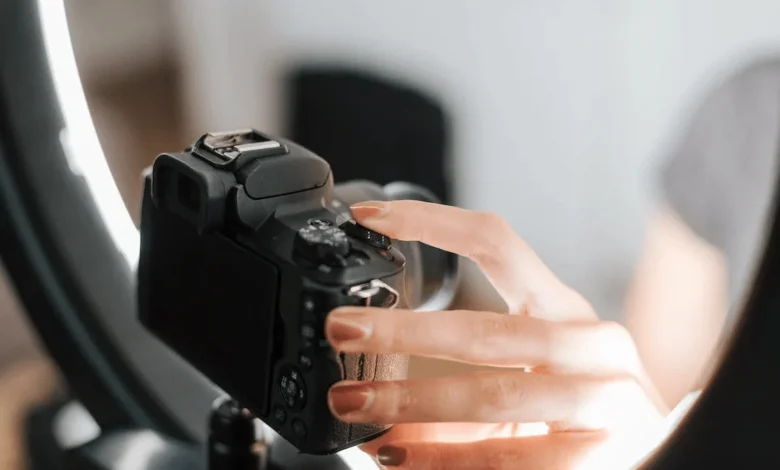
The rapid evolution of digital media, virtual real estate tours, and remote communication has permanently altered how professionals and amateurs alike approach visual storytelling. Today, an estimated half of all content creators, digital marketers, and real estate professionals utilize specialized LED strip lights and ring lights to elevate the quality of their photographs and videos. Whether capturing high-end residential properties for virtual walkthroughs, hosting live-streaming webinars, or participating in high-stakes video conferences, modern lighting has transitioned from a specialized cinematic tool into an essential everyday utility. This comprehensive analysis explores the technological evolution of light-emitting diodes, their multifaceted applications in content creation, and the strategic advantages they offer across various industries, particularly real estate marketing.
The Technological Foundation of Light-Emitting Diodes
To understand the ubiquity of modern lighting setups, one must examine the foundational technology that powers them. Light-emitting diodes, commonly known as LEDs, operate on a fundamental semiconductor principle that converts electrical energy directly into light through electroluminescence. Unlike traditional incandescent bulbs, which generate light by heating a filament and wasting significant amounts of energy in the form of heat, LEDs produce illumination with exceptional energy efficiency and minimal thermal output.
A standard LED fixture consists of microscopic semiconductor details configured either as standalone units or arranged sequentially along flexible circuit boards, commonly referred to as light strips or LED ribbons. Because an individual diode emits a relatively focused and modest amount of light, manufacturers typically group them in complex arrays to achieve the desired luminescence, color temperature, and beam angle. Depending on their physical housing, flexibility, and installation methods, LED fixtures can be categorized into numerous specialized types, ranging from rigid linear bars and waterproof outdoor ropes to ultra-thin adhesive strips designed for discreet architectural integration.
The versatility of LED technology has made it the dominant lighting choice for projects of every scale, from intimate residential accent lighting to massive commercial installations. In the realm of visual media, the ability to fine-tune brightness levels and adjust color rendering indices (CRI) has given creators unprecedented control over their visual environment, ensuring that skin tones appear natural and architectural details are rendered with precise color accuracy.
The Rise of Ring Lighting in Content Production
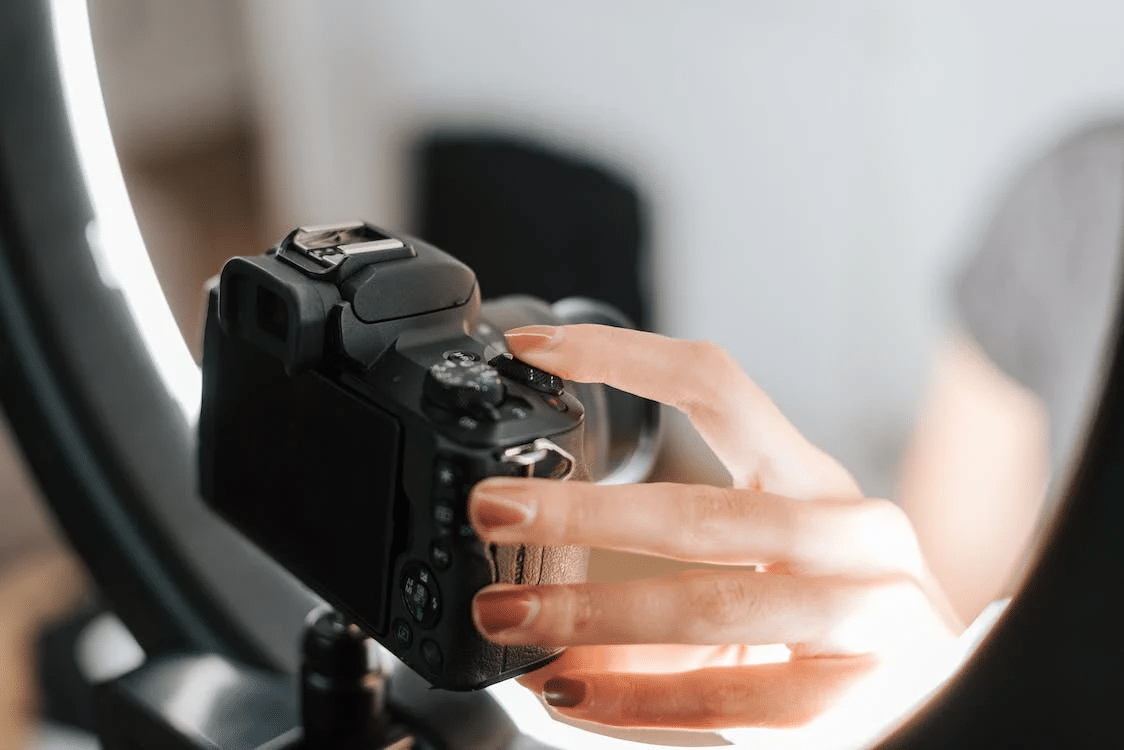
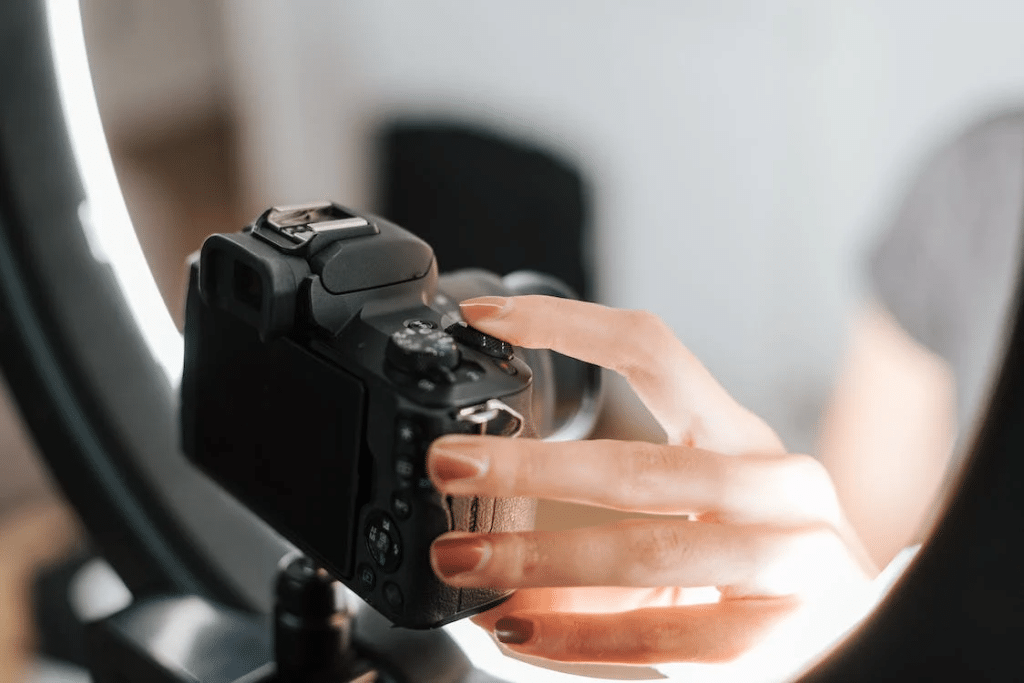
Among the diverse array of LED configurations, the ring light has emerged as an indispensable instrument for photographers, videographers, and digital influencers. Originally developed for medical and dental photography to provide shadow-free illumination, the circular lighting fixture quickly found a permanent home in beauty, fashion, and portrait studios before saturating the broader digital creator economy.
The primary structural benefit of a ring light lies in its geometry. By positioning the camera lens directly in the center of the circular luminaire, light is distributed evenly across the subject from all 360 degrees. This omnidirectional approach virtually eliminates harsh shadows, minimizes skin imperfections, and creates a distinctive, flattering catchlight—a bright, circular reflection—in the subject’s eyes.
Industry professionals who specialize in visual content production consistently emphasize the practical indispensability of these tools. Real estate agents, online educators, and corporate executives alike rely on ring lighting to project professionalism and maintain visual consistency regardless of ambient room conditions or the time of day. In an era where first impressions are frequently formed through digital video feeds and virtual property tours, the ability to project a clear, well-lit image can significantly influence audience engagement and client trust.
Strategic Implementation: Maximizing the Potential of LED Lighting
While modern LED fixtures are designed for user-friendly operation, achieving professional-grade results requires careful planning and strategic execution. Creators and marketers transitioning to LED setups must evaluate several baseline technical factors to maximize the return on their investment.
First and foremost, color temperature—measured in Kelvin (K)—plays a critical role in setting the mood and authenticity of a visual scene. Warm lighting, typically ranging from 2700K to 3000K, emits a cozy, yellowish glow reminiscent of traditional incandescent bulbs, making it ideal for creating inviting atmospheres in residential real estate interiors. Conversely, cool or daylight-balanced lighting, ranging from 5000K to 6500K, mimics natural sunlight and is preferred for technical presentations, cooking demonstrations, and clean, modern commercial spaces.
Second, light intensity and dimming capabilities must be calibrated to the specific dimensions of the shooting environment. Over-illumination can cause harsh specular highlights and washed-out video feeds, while insufficient lighting introduces digital noise and grain into camera sensors.
Third, diffusion and placement are paramount. Utilizing softboxes, diffusers, or frosted LED covers helps soften the light output, reducing glare on reflective surfaces such as windows, mirrors, and polished hardwood floors—a critical consideration when photographing luxury real estate properties.
Finally, integrating compatible LED strip light accessories, such as smart dimmers, remote control units, and DMX controllers, allows creators to automate lighting cues and adapt seamlessly to dynamic shooting schedules. Sourcing these components from reputable suppliers ensures product longevity, energy compliance, and safety adherence.
Broader Economic and Industry Implications
The widespread adoption of advanced LED lighting solutions reflects a broader trend toward accessible, high-performance digital production tools. As remote work, virtual open houses, and digital marketing campaigns become permanent fixtures of the modern economy, the demand for professional-grade home studio equipment has surged exponentially.
For real estate professionals, the implications are particularly pronounced. High-quality visual content directly correlates with higher listing engagement, faster property sales, and enhanced brand reputation. By investing in versatile LED strip lights and ring lighting kits, agents can produce studio-quality walkthroughs and video updates without incurring the prohibitive costs of hiring professional film crews for every listing. Furthermore, the inherent energy efficiency of LED technology aligns with growing corporate and consumer demand for sustainable, eco-friendly business practices, reducing both electricity consumption and long-term operational expenses.
As lighting technology continues to advance—driven by innovations in smart home integration, Internet of Things (IoT) connectivity, and ultra-high CRI diodes—the barrier to entry for professional-grade visual production will continue to lower. For marketers, realtors, and digital creators, mastering the art of LED illumination is no longer an optional luxury, but a fundamental competency in the competitive landscape of the digital age.