James Gunn Defends the DC Universe Strategy Against Criticisms of Connectivity and Crossover Expectations

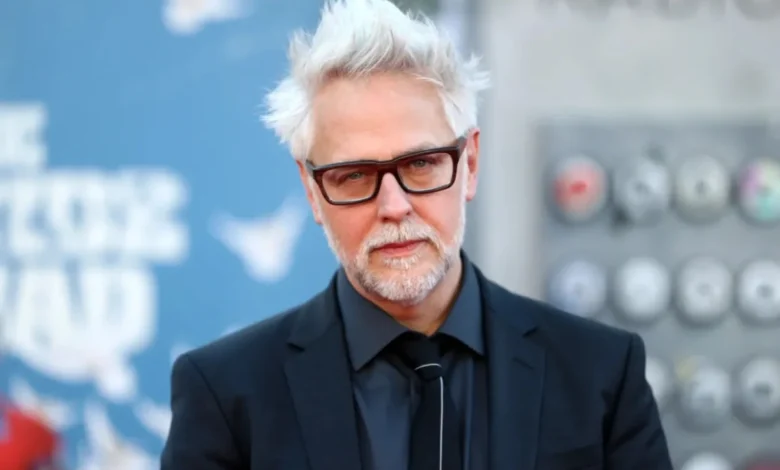
DC Studios co-head James Gunn has publicly addressed the growing discourse surrounding the narrative structure of the new DC Universe (DCU), pushing back against the prevailing industry expectation that every superhero production must function primarily as a stepping stone toward a grand, interconnected crossover event. In a series of statements posted to the social media platform Threads this past Saturday, Gunn articulated a vision for the DCU that prioritizes individual storytelling and thematic variety over the rigid, serialized roadmap that has dominated the comic book movie genre for the past fifteen years.
The debate, which has persisted since the unveiling of the DCU’s foundational slate, was reignited by a user questioning the long-term utility of the upcoming project list, which includes Superman, Peacemaker, Supergirl, Creature Commandos, and the recently released horror-inflected feature, Clayface. The user posed a direct inquiry: “What is this building towards???”
Gunn’s response, which has since sparked industry-wide analysis, suggested that the question itself is symptomatic of a narrow view of what a cinematic universe can achieve. By comparing the DCU’s potential to the expansive, multi-generational storytelling model of the Star Wars franchise, Gunn challenged the notion that artistic significance is inherently linked to the promise of a future team-up.
Redefining the Cinematic Universe Model
For over a decade, the "shared universe" model—popularized largely by the Marvel Cinematic Universe (MCU)—has mandated that individual films act as chapters in a singular, overarching narrative. This approach often results in a "homework" effect, where audiences feel compelled to view every installment to understand the stakes of the next. Gunn, however, is positioning the DCU as a more flexible ecosystem.
"DCU is just an alternate universe; we can enter at any location or time and tell THAT story," Gunn wrote. "I dislike the idea that individual stories aren’t meaningful unless they lead to something else."
This philosophy marks a distinct pivot from the strategies employed by his predecessors at DC, as well as the industry standard. Gunn’s emphasis on "tonal variety" suggests that the DCU is intended to be a collection of genre-specific stories that happen to share a continuity, rather than a monolithic, plot-driven machine. By allowing characters like Clayface to exist within a standalone horror framework, Gunn aims to maintain the integrity of individual films while preserving the DCU as a backdrop rather than a requirement.
Chronology and the Path Forward
The rollout of the DCU has been calculated to balance established icons with more niche, experimental characters. The timeline began in earnest with the release of Superman, a film designed to re-establish the core values of the DC mythology. Following this, the introduction of Supergirl and the animated/live-action hybrid elements seen in Creature Commandos served to expand the scope of the universe’s geography.
The current slate, as it stands, looks as follows:
- Superman (2025): The foundational pillar of the new DCU.
- Supergirl (2026): A character-focused exploration of the Kryptonian legacy.
- Clayface (2026): A genre-bending horror film that marks a departure from traditional superhero tropes.
- Superman: Man of Tomorrow (July 9, 2027): The next major installment in the primary saga.
The inclusion of Clayface, directed by James Watkins and featuring performances by Naomi Ackie, David Dencik, Max Minghella, and Eddie Marsan, represents the most significant test of this strategy. With a debut box office performance of $24 million across 3,458 North American theaters, the film has achieved commercial success despite the character’s relative obscurity compared to A-list heroes. This data point supports Gunn’s argument that audiences are willing to engage with "nicher" content if the film is compelling as a standalone experience.
Supporting Data and Box Office Trends
The box office performance of Clayface provides a critical metric for studio executives evaluating the "standalone" strategy. In an era where "superhero fatigue" has been cited by analysts as a primary driver of declining returns for massive crossover films, the success of a lower-budget, genre-focused film is noteworthy.
Critics have largely praised this shift. Variety’s Guy Lodge noted in his review that the film stands as its own "ugly animal," arguing that the specific conflicts presented would likely lose their potency if forced into a broader franchise narrative. By isolating the character’s arc, the film benefits from a focused, "ickily enjoyable" tone that would be difficult to sustain in a multi-character ensemble epic.
Industry analysts observe that this approach mitigates risk. By not tethering the success of every film to the performance of a preceding blockbuster, DC Studios can experiment with directors and genres that might otherwise be deemed "too risky" for a major studio tentpole.
Official Responses and Industry Context
While Gunn is the most visible proponent of this strategy, his views reflect a broader shift within the industry. Following the decline of traditional tentpole sequels, major studios are increasingly looking for ways to revitalize their IP libraries. The challenge, as noted by observers, is maintaining a sense of cohesion without falling into the trap of over-serialization.
Gunn’s comparison to Star Wars is particularly illuminating. Star Wars has successfully expanded across television, film, literature, and gaming for five decades, often jumping between different eras and character sets. While Star Wars has occasionally struggled with maintaining a consistent tonal identity, its ability to tell a "Kobayashi Maru" of disparate stories under one banner is exactly what Gunn hopes to replicate for DC.
"The Superman saga begins with Superman and extends into Man of Tomorrow, and contains many characters we’ve introduced in other stories," Gunn explained. "But that doesn’t mean those other stories only exist to set up what’s happening there."
Implications for the Future of Superhero Cinema
The implications of Gunn’s policy are significant for both the creative direction of DC Studios and the expectations of the fanbase. If the DCU proves that it can successfully market "niche" characters while simultaneously delivering blockbuster sequels, it could fundamentally change how intellectual property is managed in Hollywood.
- Creative Autonomy: Directors may find more freedom to execute specific visions if they are not beholden to post-credit scenes or cameos that exist only to serve a future, larger plot.
- Audience Retention: By removing the necessity of seeing every film, the barrier to entry for casual viewers is lowered, potentially increasing the total addressable market for individual films.
- Risk Management: Smaller, genre-specific films serve as a hedge against the massive budget requirements of ensemble superhero epics. If one project underperforms, the entire "universe" is not necessarily deemed a failure.
However, the strategy is not without its risks. The most vocal segment of the comic book movie audience is often driven by the "Easter egg" culture and the desire for payoff after long-term investment. If the DCU fails to eventually provide a satisfying conclusion to its foundational arcs, it may alienate those who value the interconnected, serial nature of comic book storytelling.
Conclusion
James Gunn’s recent defense of his strategy serves as a manifesto for the next phase of the DC Universe. By emphasizing that his films are "meaningful" in their own right, he is signaling a departure from the "assembly line" model of production. Whether this approach can sustain the long-term interest of a global audience remains to be seen, but the early performance of films like Clayface suggests that there is a significant appetite for variety within the genre.
As the industry looks toward the 2027 release of Superman: Man of Tomorrow, the focus will remain on whether Gunn can successfully balance his desire for standalone quality with the inherent necessity of a cohesive universe. The DCU, under this new leadership, appears to be betting that the most effective way to build a long-lasting legacy is not by focusing on the destination, but by ensuring that every individual step along the way is worth the audience’s time.
Related posts: