When navigating the intricate and often exhausting logistics of modern global travel, the choice of footwear can make the definitive difference between a successful journey and an orthopedic disaster. Long-haul flights, sprint connections across sprawling international terminals, and the unpredictable terrain of ancient cobblestone streets require a rare convergence of ergonomic support, lightweight construction, and aesthetic versatility. Across the travel industry, frequent flyers and lifestyle experts increasingly recognize that prioritising foot health is not merely a matter of comfort, but a fundamental prerequisite for sustained mobility abroad. Recent consumer surveys and retail data indicate that the global travel footwear market has seen a notable shift toward multifunctional silhouettes, with travelers moving away from bulky hiking boots and stiff dress shoes in favor of high-performance, style-forward sneakers capable of logging upwards of 20,000 steps per day without compromising wardrobe cohesion.
The Evolution of Travel Footwear Standards
The historical approach to travel attire traditionally dictated a rigid separation between athletic utility and urban style. For decades, tourists navigating major metropolitan centers like Paris, Tokyo, or New York were easily identifiable by their overtly technical running shoes, worn strictly for utility at the expense of local fashion sensibilities. However, the post-pandemic resurgence of global tourism has accelerated a broader cultural movement toward comfort-first dressing, giving rise to lifestyle aesthetics such as "gorpcore" and elevated streetwear.
Industry analysts trace this shift to changing workplace norms and an increased emphasis on wellness, which collectively normalized the integration of athletic sneakers into everyday professional and social wardrobes. Consequently, footwear brands have responded by engineering hybrid models that merge advanced cushioning technologies—traditionally reserved for marathon runners and trail athletes—with sleek, minimalist profiles suitable for upscale dining establishments and cultural institutions alike. This evolution has redefined the contents of the modern carry-on suitcase, prompting travelers to optimize their packing efficiency by selecting singular, do-it-all shoe models that transition seamlessly from the airport security line to rural hiking paths.
Categorizing the Ultimate Travel Sneaker: Casual, Trail, and Athletic Options
To navigate the vast array of available options, travel editors and style experts generally divide high-performance travel shoes into three distinct categories: casual sneakers designed for urban exploration, trail-oriented models built for rugged outdoor environments, and athletic performance shoes optimized for high-impact walking and running.
Casual Urban Sneakers: Where Style Meets Practicality
For city-centric itineraries, the ideal shoe must balance visual appeal with foundational support. Among the perennial favorites identified by seasoned travelers is the Adidas Samba OG. Originally engineered as an indoor soccer shoe in the mid-20th century, the low-profile silhouette has experienced a massive cultural revival, favored for its featherlight feel and timeless aesthetic. Editors note that the shoe pairs effortlessly with tailored trousers, denim, and travel capsules alike, offering enough durability to withstand miles of concrete walking without causing foot fatigue.
Similarly, the New Balance 9060 and the classic 574 Core models represent the zenith of the "dad shoe" trend, delivering substantial arch support and shock-absorbing midsoles wrapped in a chunky yet lightweight package. For travelers seeking a sustainable, packable option, Rothy’s Ivy sneaker introduces a flexible knit or suede upper paired with a restaurant-grade nonslip outsole, ensuring stability on slick, rain-soaked pavement. Other notable contenders in the casual category include the Adidas Gazelle Bold, which offers a subtle platform lift without sacrificing stability, the timeless Converse Chuck Taylor All Star high-top, and the sleek Onitsuka Tiger Mexico 66, praised by frequent flyers for providing exceptional arch support within a remarkably low-profile frame.
Trail and Outdoor Sneakers: Built for the Elements
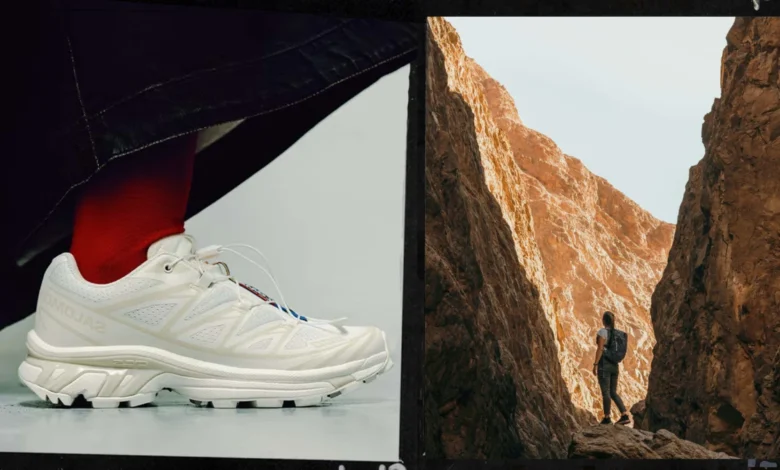
When itineraries demand a departure from paved roads, specialized trail sneakers bridge the gap between heavy-duty hiking boots and breathable streetwear. The Salomon XT-6 has emerged as a dominant force in this category, capturing market share among both outdoor enthusiasts and urban commuters. Originally designed for ultra-distance races under harsh conditions, the XT-6 features a durable upper, aggressive outsole lugs, and a signature Quicklace system that eliminates the hassle of traditional laces during airport security screenings.
Similarly, the Alo Trail Sneaker offers a robust, weather-resistant construction designed to handle rugged terrain while maintaining a clean, monochromatic aesthetic. These hybrid trail shoes have transformed adventure travel, allowing explorers to transition directly from mountain switchbacks to city bistros without needing to swap footwear.
Athletic Performance and Running Shoes: Maximum Cushioning
For travelers prioritizing long-distance endurance, high-impact running shoes remain unmatched. The Hoka Clifton series has cultivated a dedicated following among frequent flyers due to its oversized EVA foam midsole, which delivers superior shock absorption and a plush, pillow-like feel underfoot. Designed to mitigate the impact of hard airport floors and concrete sidewalks, the Clifton provides essential joint protection during 30,000-step days.
Parallel to this, the On Cloud 6 utilizes cloud-tec cushioning and convenient speed-lacing systems to deliver an ultra-lightweight experience tailored for travelers prone to heel friction and blisters. These athletic models underscore the importance of specialized biomechanical support, particularly for individuals managing pre-existing foot sensitivities or prolonged periods of standing.
Practical Considerations for Packing and Maintenance
Selecting the right travel sneaker involves evaluating several logistical factors beyond initial aesthetic appeal. Packing efficiency remains a primary constraint for carry-on-only travelers, making lightweight, compressible designs highly desirable. Shoes constructed from breathable mesh or flexible knit fabrics typically occupy less space and add minimal weight to luggage overhead limits.
Maintenance is another critical consideration, particularly for footwear featuring white leather or delicate suede uppers. Industry experts recommend treating new sneakers with a protective water-repellent spray prior to departure to guard against unexpected downpours and street grime. For minor scuffs on leather or synthetic surfaces, a simple spot-cleaning routine utilizing mild detergent and a damp cloth can restore the shoe’s appearance mid-trip, ensuring longevity across multiple travel seasons.
Economic and Market Implications of the Travel Footwear Boom
The surging demand for versatile, high-performance travel shoes reflects broader economic shifts within the retail and tourism sectors. As global travel volumes return to or exceed pre-pandemic baselines, consumer spending has pivoted decisively toward experiential travel and functional apparel. Footwear manufacturers that successfully position their products at the intersection of fashion and utility have captured significant market share, driving continuous innovation in sustainable materials, proprietary cushioning foams, and ergonomic design.
Industry forecasters anticipate that this trend will persist as remote work flexibility continues to blur the lines between business travel and leisure tourism ("bleisure"). Consumers increasingly demand wardrobes that adapt dynamically to shifting environments, cementing the comfortable travel sneaker not as a temporary trend, but as an indispensable cornerstone of modern lifestyle gear.