Global Connectivity Redefined: A Comprehensive Analysis of the New Holafly Subscription-Based eSIM Model

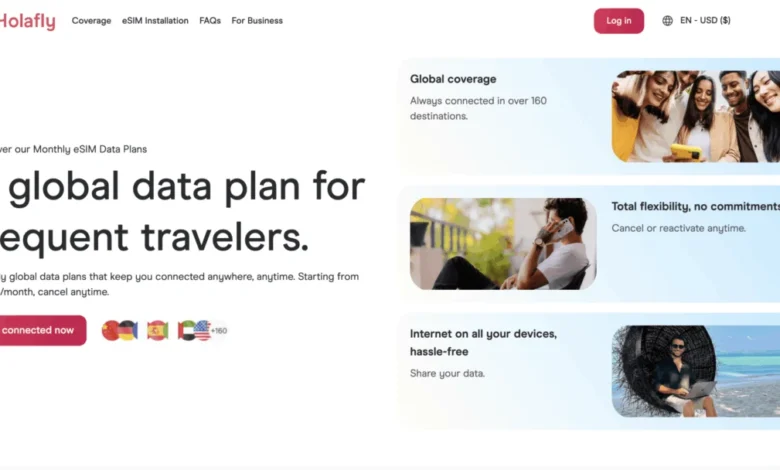
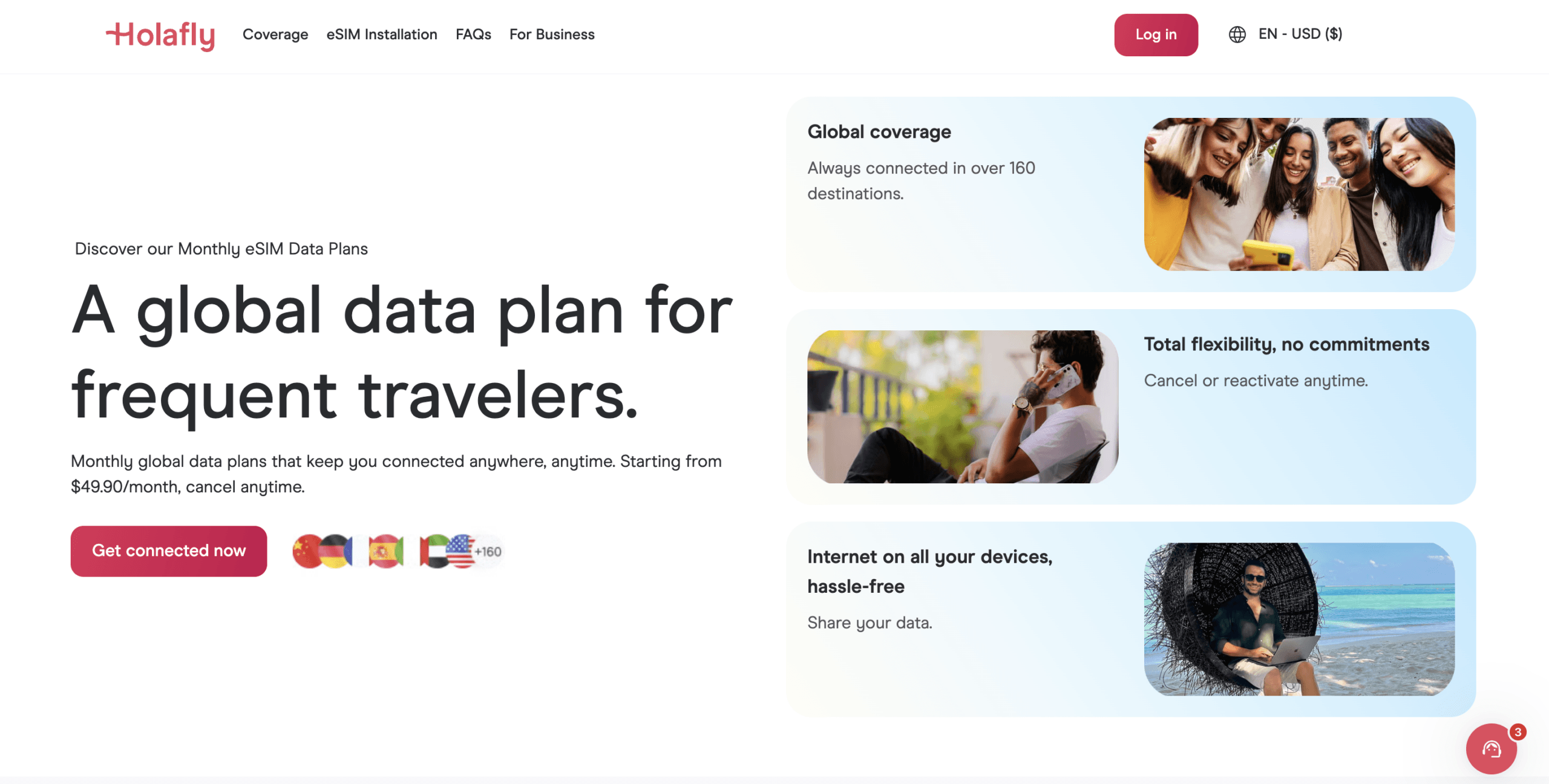
The international telecommunications landscape is undergoing a significant transformation driven by the proliferation of embedded SIM (eSIM) technology. As travelers increasingly prioritize seamless, borderless digital connectivity, the industry has shifted from legacy physical SIM card models toward software-defined solutions. Holafly, a prominent player in the travel connectivity sector, has recently launched a new subscription-based product, "Holafly Plans," designed to consolidate access across 160+ destinations into a single, ongoing service. This development marks a departure from traditional, trip-specific digital SIM offerings, signaling a broader market trend toward unified global roaming solutions that mimic the convenience of domestic mobile plans.
The Evolution of Mobile Connectivity for Global Travelers
Historically, international travelers relied on physical SIM cards, which required manual swapping, the risk of losing local hardware, and the inconvenience of sourcing vendors upon arrival. The introduction of eSIM technology—a chip embedded directly into the smartphone’s hardware—eliminated the physical dependency, allowing users to activate service via QR codes or software interfaces. While this reduced the friction of manual installation, the market remained fragmented, with most providers offering geographically restricted, temporary data packages.
The transition to a subscription-based model represents the next logical step in this technological timeline. By providing a persistent, evergreen subscription, providers like Holafly are addressing the primary pain points of frequent travelers and digital nomads: the need for continuous, reliable data without the administrative burden of renewing plans or managing multiple digital profiles.
Technical Infrastructure and Service Tiers
Holafly Plans functions through a singular digital profile that automatically negotiates local network access as the user traverses international borders. This architectural shift utilizes advanced roaming agreements to ensure that the device remains connected without manual reconfiguration.

The service is structured around two distinct tiers:
- The Light Plan: Positioned for moderate users, this tier offers a 25GB monthly data allowance, mobile hotspot functionality, and global coverage across 160+ countries.
- The Unlimited Plan: Designed for high-bandwidth users, this tier removes data caps, permits unlimited tethering, and includes a virtual local phone number (available for US, UK, or Canadian regions) to facilitate the receipt of SMS verification codes and other essential communications.
A notable technical inclusion across both tiers is the "Always On" feature. This provision guarantees a baseline of 1GB of emergency data per month, maintaining basic connectivity even in the event of a subscription cancellation. This serves as a safety net, ensuring users remain reachable via messaging applications even when their primary data allocation is inactive.
Comparative Economic Analysis
The economic rationale for moving toward a global subscription model is rooted in the high cost of legacy roaming. Major telecommunications carriers in the United States and Europe have historically maintained high-margin roaming add-ons, often charging between $10 and $20 per day for access to limited data pools. For a traveler moving through multiple countries in a single month, these costs can exceed $300, significantly impacting travel budgets.
In contrast, the Holafly model aggregates costs. By pricing monthly, quarterly, or annual plans, the service captures the economies of scale inherent in global network partnerships. For instance, the Unlimited Plan, priced at approximately $55 per month on an annual basis, offers a fixed-cost predictability that is currently absent in the traditional roaming market.
Industry analysts observe that this pricing strategy directly challenges the roaming revenue models of traditional carriers. By decoupling international data from the home-country contract, consumers gain the ability to maintain their primary phone number for voice calls while offloading high-volume data traffic to a more cost-effective, specialized provider.
Market Context and Strategic Implications
The introduction of unified global plans arrives at a critical juncture for the digital nomad economy. According to recent surveys, the number of location-independent professionals has surged since 2020, with many individuals maintaining residence in multiple countries throughout the year. This demographic requires enterprise-grade reliability for video conferencing, cloud-based software, and large file transfers—capabilities that legacy roaming often throttles or prohibits.
From an infrastructure perspective, the shift toward a single-eSIM, multi-country model simplifies the compliance and administrative requirements for the user. However, it also imposes higher operational demands on the provider, which must manage complex inter-carrier agreements and maintain high-speed network quality across diverse geographic zones. The success of such a model hinges on the robustness of these backend partnerships.
Operational Setup and User Experience
The installation process for Holafly Plans involves a simplified digital workflow. Users purchase the subscription via the company’s portal, receive a QR code, and install the eSIM profile directly onto their device. Once activated, the service operates in the background, with the device’s internal modem handling network handoffs between local carriers in real-time as the user moves between jurisdictions.
Technical support remains a key point of concern for travelers. In the event of network outages or provisioning errors, Holafly has implemented 24/7 support channels, a necessary feature for a product that serves as a primary utility for business continuity. Furthermore, the inclusion of a six-month refund policy suggests a competitive positioning intended to mitigate the perceived risk of adopting a new, long-term digital service.
Fact-Based Limitations and Considerations
While the benefits of the subscription model are substantial, there are inherent limitations that potential users must evaluate. First, the service is hardware-dependent; only devices with eSIM capabilities—typically smartphones manufactured after 2018—can utilize the technology. Second, while the plan is global, local network infrastructure varies significantly. Even with a global plan, users in remote or less-developed regions may encounter latency or connectivity limitations imposed by local cell towers, rather than the service provider itself.
Furthermore, the lack of an in-place upgrade mechanism between the "Light" and "Unlimited" tiers indicates that the software interface is still in its early stages of development. Users currently must cancel and re-provision their accounts to adjust their data allotments, a friction point that will likely be addressed as the platform matures.
Future Outlook
The trajectory of the telecommunications industry suggests that physical SIM cards will eventually be relegated to niche or legacy use cases. As the adoption of eSIM technology reaches critical mass, the demand for "Global-as-a-Service" connectivity will likely grow. Holafly’s move toward a subscription model is an early indicator of a shift in consumer expectations: travelers no longer wish to treat connectivity as a one-off logistical hurdle to be solved upon arrival, but rather as an essential, persistent service that functions seamlessly across borders.
For the frequent traveler or professional remote worker, the implications are clear: the era of expensive, disconnected, or manually configured international roaming is rapidly closing. In its place, the rise of unified, data-rich global subscriptions promises to reduce the administrative burden of international mobility, allowing for greater freedom of movement in an increasingly digitized world. As competition in this space intensifies, consumers can expect further downward pressure on pricing and improvements in data speeds, potentially rendering the traditional roaming pass obsolete within the next decade.
Related posts: