The Evolution of Digital Nomadism: How Coliving Spaces Like Outsite Are Redefining Remote Work Infrastructure

The global workforce has undergone a seismic shift since 2020, transitioning from traditional office-bound roles to flexible, location-independent arrangements. According to data from MBO Partners, the number of digital nomads in the United States alone reached 17.3 million in 2023, a 2% increase from 2022 and a 131% increase since 2019. This demographic surge has created a demand for specialized infrastructure that moves beyond the limitations of standard hospitality and residential leasing. In response, the coliving industry has emerged as a primary solution for professionals seeking to synthesize productivity with the mobility inherent in the remote work lifestyle.
The Structural Shift in Remote Work Environments
Historically, the digital nomad experience was characterized by logistical friction. Professionals frequently relied on public Wi-Fi in coffee shops or, conversely, suffered from the inconsistent connectivity of residential vacation rentals. Research indicates that unreliable internet remains the primary pain point for remote employees, with 42% of nomads citing infrastructure issues as their greatest challenge while traveling.
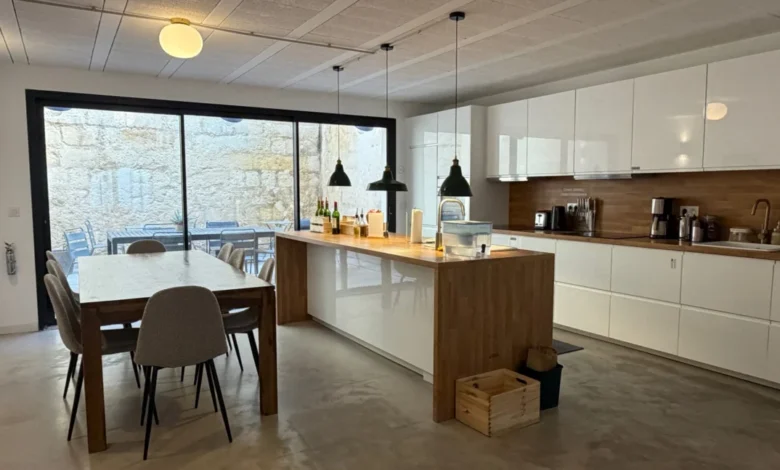
The emergence of platforms such as Outsite, founded in 2015, represents a formalization of the "work-from-anywhere" model. By integrating professional-grade coworking facilities into residential settings, these platforms mitigate the isolation and logistical instability of traditional remote work. Unlike conventional hostels, which prioritize short-term transit, or luxury hotels, which focus on tourism, coliving spaces are engineered for sustained, high-output professional activity.
Chronology and Development of the Coliving Model
The trajectory of the coliving sector began in the mid-2010s, initially targeting niche groups such as surf enthusiasts and entrepreneurs. Outsite’s inaugural property in Santa Cruz, California, served as a pilot for this concept, testing the feasibility of combining high-speed infrastructure with communal living.
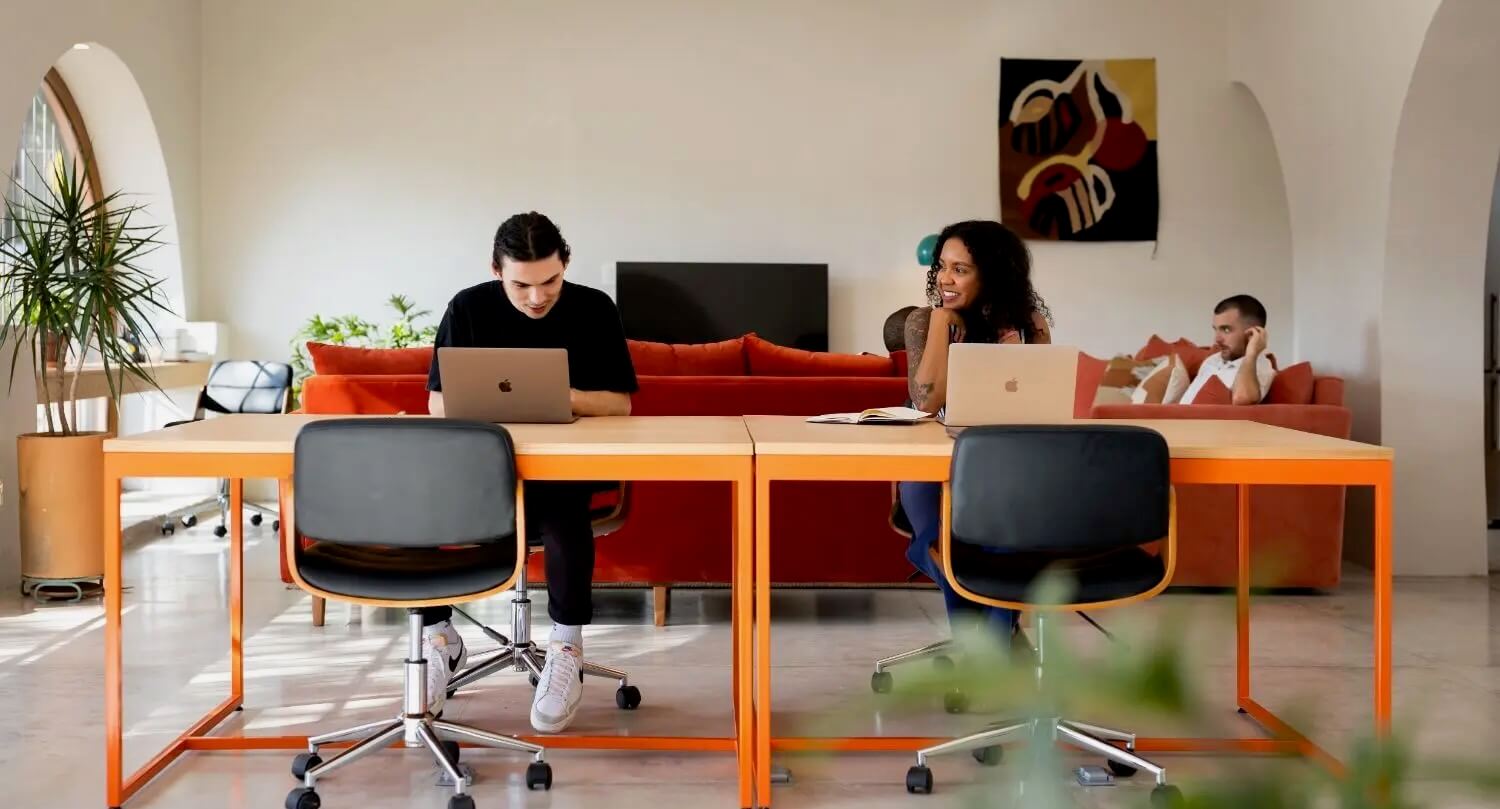
By 2020, the model moved from a niche offering to a necessity for the growing remote workforce. The pandemic acted as an accelerant, forcing corporate entities to adopt permanent work-from-home policies. This transition allowed platforms like Outsite to expand their footprint to over 50 global locations, ranging from major metropolitan hubs like Lisbon and New York to rural, lifestyle-oriented destinations.
The current operational framework for such platforms has standardized the following amenities:
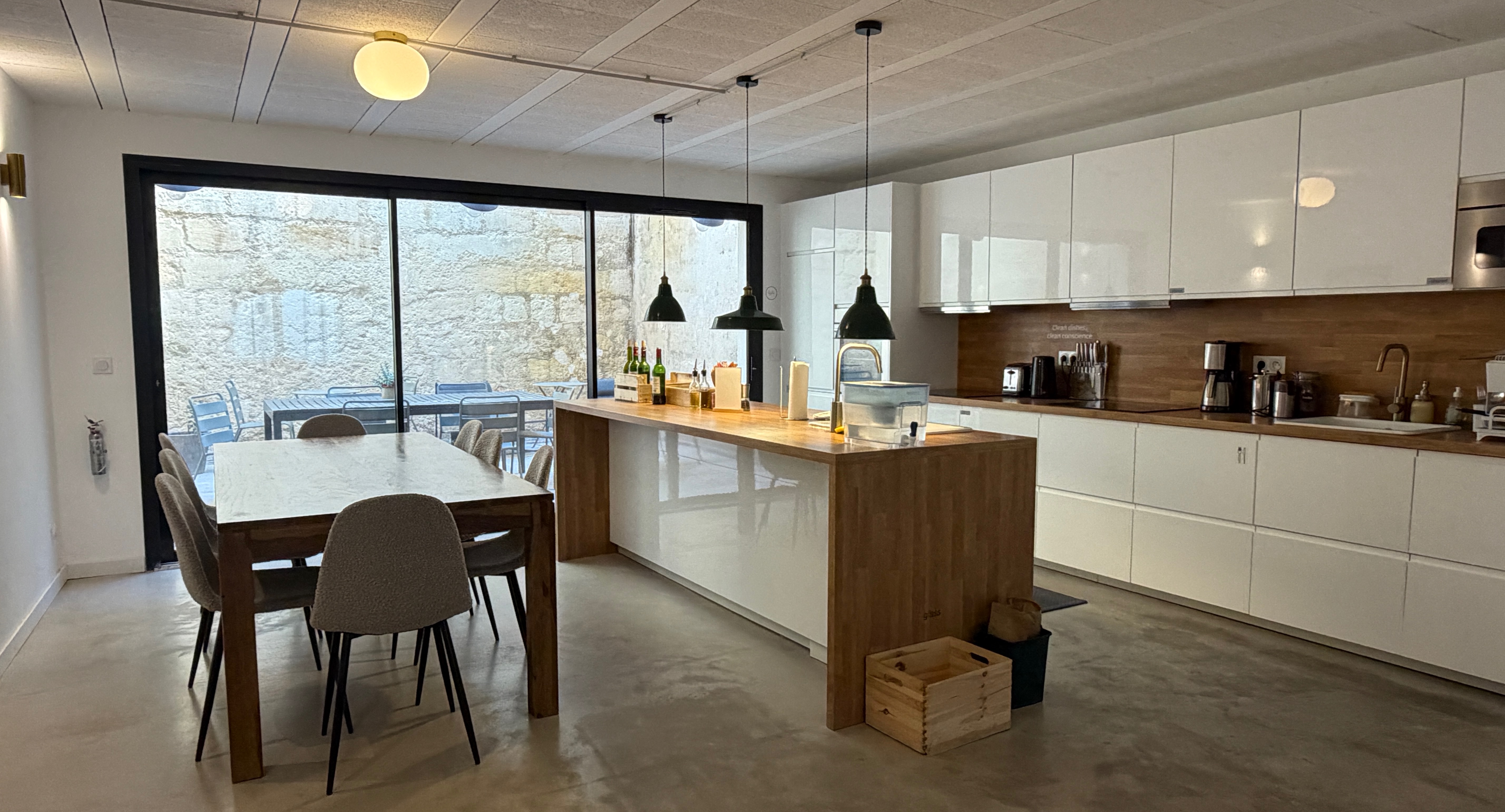
- Enterprise-Grade Connectivity: Dedicated fiber-optic lines and mesh Wi-Fi systems designed to support high-bandwidth video conferencing.
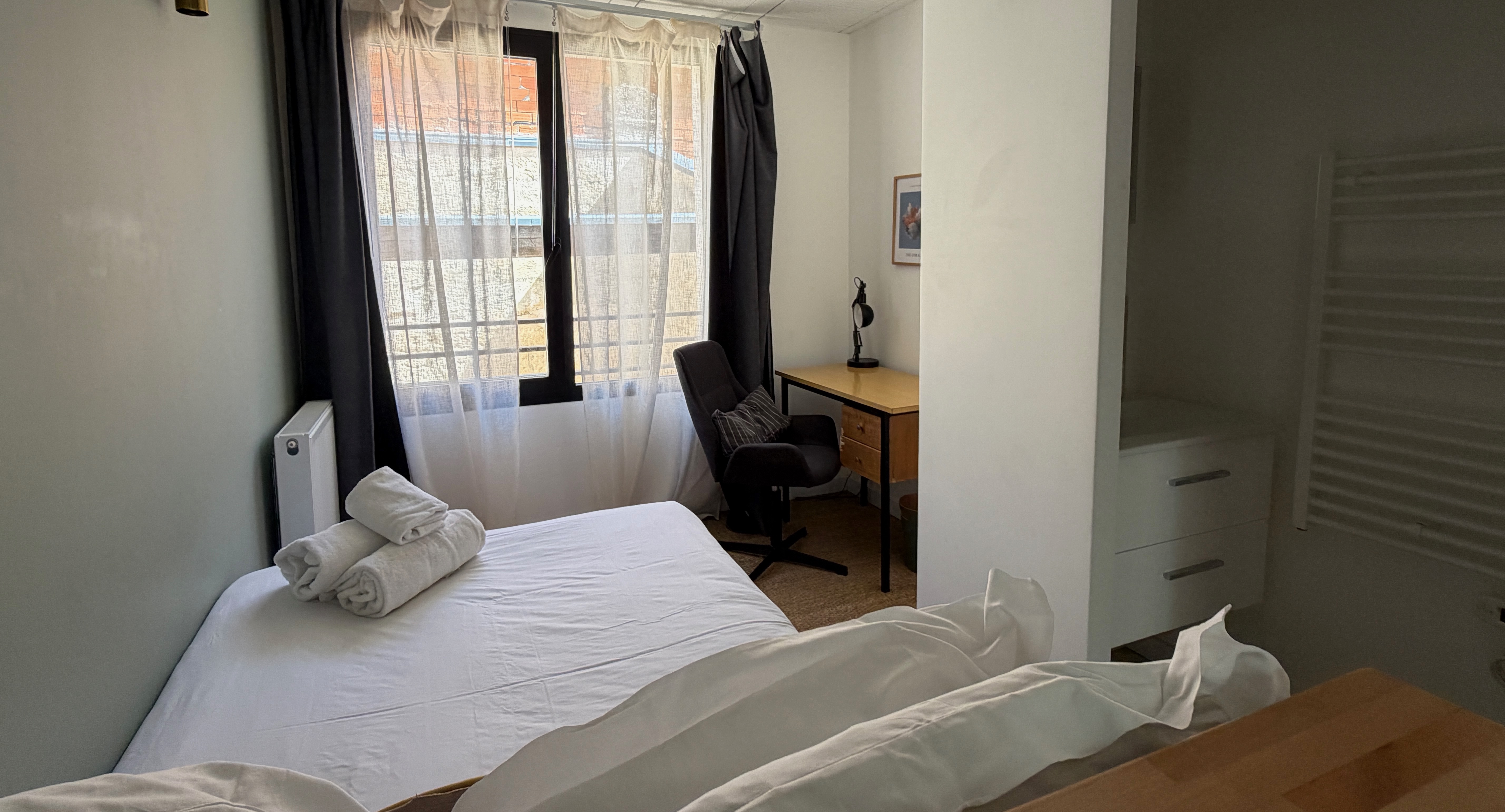
- Ergonomic Infrastructure: Standardized workspaces equipped with adjustable seating, external monitors, and proper lighting to meet occupational health standards.
- Community Management: Professional oversight to facilitate networking, which studies suggest is essential for maintaining mental well-being in distributed teams.
Market Analysis and Economic Implications
The decision to utilize a coliving space involves a distinct economic trade-off. While the nightly or monthly rates are generally higher than budget accommodations, a cost-benefit analysis reveals significant savings when compared to the aggregate cost of an apartment rental plus a separate membership to a premium coworking space.
Furthermore, the "professionalization" of these spaces provides a degree of security and stability that appeals to corporate remote workers. Industry reports suggest that companies are increasingly interested in subsidizing these stays for employees as part of "workation" packages, viewing them as a mechanism to bolster employee retention and prevent burnout.
The demographic data associated with these spaces remains consistent with high-earning, skilled professionals. The primary cohort consists of individuals aged 28 to 45, often employed in software development, marketing, or project management. Unlike the younger backpacker demographic, this group prioritizes privacy, security, and the ability to maintain a standard 40-hour work week.
Challenges and Limitations
Despite the growth of the industry, there are inherent challenges that potential residents must navigate. The most significant is the scarcity of inventory in high-demand cities. Regulatory environments in major global cities—such as New York, London, and Paris—have imposed strict limitations on short-term housing, often necessitating minimum stays of 30 days or more.
Additionally, the reliance on a communal living environment requires a degree of social and professional compatibility. While the inclusion of community managers helps curate the social atmosphere, the "always-on" nature of a workspace shared with one’s peers can lead to blurred boundaries between work and personal life. As a result, many platforms are shifting toward a hybrid model that offers more private, self-contained living units while maintaining communal coworking areas.
Official Perspectives and Future Outlook
Industry observers note that the growth of coliving is not merely a travel trend, but a reflection of the permanent decoupling of geography and professional opportunity. By 2030, analysts project that the digital nomad population could exceed 30 million. This growth will likely force municipal governments to reconsider housing regulations to accommodate a mobile workforce that contributes to local economies without occupying traditional long-term residential stock.
"The goal is to eliminate the friction between a productive work environment and a high-quality living experience," noted an industry representative during a recent forum on the future of work. "When you remove the stress of finding a desk or worrying about Wi-Fi, the professional is free to engage more deeply with their work and the local community."
The integration of these spaces into the global tourism ecosystem has also prompted a change in how secondary cities market themselves. Destinations such as Bordeaux, France, and various towns in Portugal have seen a measurable economic boost by hosting "nomad hubs," which attract high-spending professionals who remain in the city for weeks rather than days.
Summary of Logistics for Prospective Users
For professionals evaluating coliving as a viable lifestyle choice, the primary considerations remain consistent:
- Financial Planning: While memberships like those offered by Outsite ($199 annually) provide significant discounts on nightly rates, the initial investment must be weighed against the frequency of travel.
- Infrastructure Verification: Users are encouraged to verify that the "work-from-home" setup meets specific technical requirements, particularly regarding internet speed and privacy for high-stakes meetings.
- Community Alignment: Most established coliving platforms curate their residents to ensure a professional atmosphere. Prospective guests should review the community guidelines, as these spaces often maintain a "work-first" culture that may not be suitable for those seeking a traditional, leisure-heavy vacation.
Ultimately, the maturation of the coliving sector signifies the end of the "laptop-in-a-hostel" era. As the infrastructure supporting digital nomads continues to standardize, the barriers to global professional mobility are steadily decreasing. Whether this trend continues to move toward more corporate-integrated solutions or remains a boutique experience will depend largely on future municipal housing policies and the continued evolution of global remote work policies. As it stands, the coliving model provides a robust, evidence-based solution for a workforce that has moved beyond the boundaries of the traditional office.
Related posts: