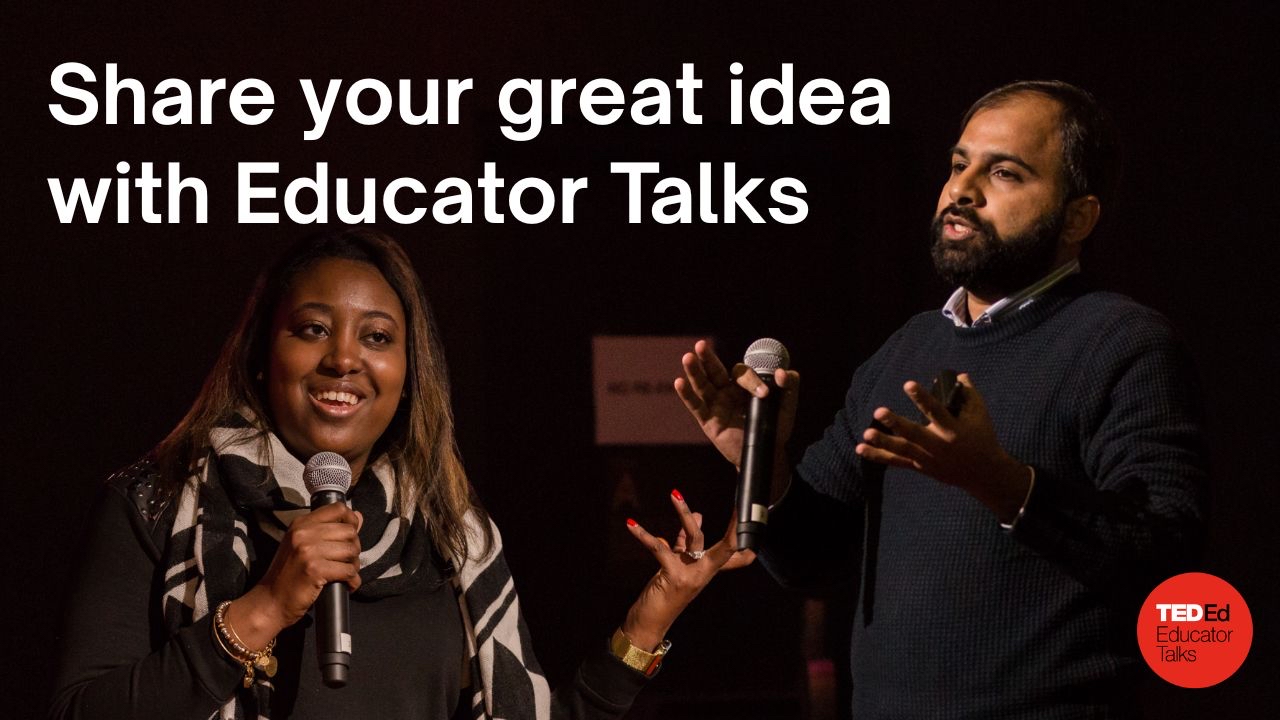
Every educator has a spark and the potential to reshape the global educational landscape through the TED-Ed Educator Talks program.

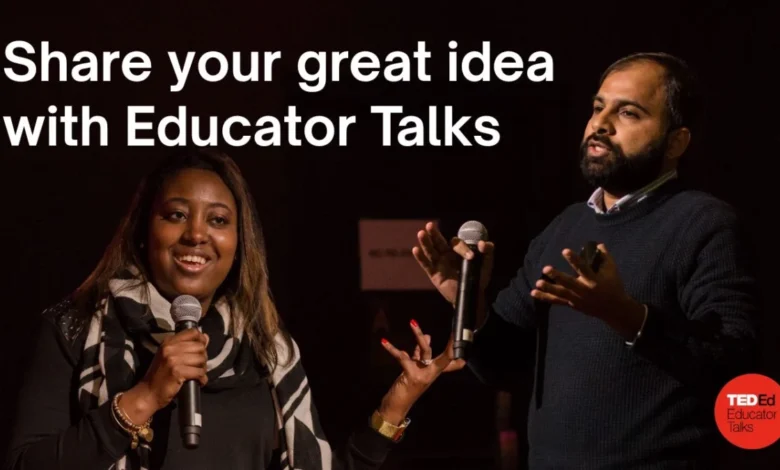
For decades, the pedagogical insights generated within the four walls of a classroom have remained largely localized, often confined to the individual teacher’s immediate sphere of influence. While thousands of innovations—ranging from trauma-informed disciplinary strategies to novel methods for teaching advanced mathematics—occur daily, the lack of a structured global conduit has historically prevented these "sparks" from igniting systemic change. TED-Ed, the youth and education initiative of the TED organization, has launched a comprehensive professional development program designed to bridge this gap, transforming K-12 educators from classroom practitioners into thought leaders with the capacity to influence education policy and practice on a global scale.
The Genesis of a Movement: Contextualizing Educator Talks
The Educator Talks program was established to address a persistent critique within the education sector: the disconnect between frontline teaching experience and the high-level discourse on education reform. While academic researchers and policymakers frequently dominate the conversation regarding the future of schooling, the practical, lived experience of those on the ground is often overlooked.
The history of TED-Ed’s involvement in this space dates back to the realization that educators possess a unique form of intellectual capital. By adapting the proprietary TED framework—which emphasizes clarity, brevity, and narrative structure—the organization sought to professionalize the way teachers articulate their visions. Since its inception, the program has evolved from a series of isolated speaking engagements into a structured, scalable professional learning experience that provides educators with the scaffolding necessary to package their classroom insights into "ideas worth sharing."
Chronology of the Development Cycle
The journey for an educator participating in the program follows a rigorous, multi-stage trajectory designed to refine raw observation into persuasive rhetoric.
- The Idea Workshop: The process begins with an intensive one-hour virtual interactive session. This is not merely an introductory seminar but a crucible for ideation. Participants are taught to identify the "core of their message," stripping away jargon to find the universal human element in their specific educational challenge.
- Framework Acquisition: Following the workshop, educators are provided with access to TED’s official public speaking curriculum. This component focuses on the technical aspects of communication: pacing, the use of visual aids, and the psychological principles of audience engagement.
- Peer-to-Peer Integration: In the months following initial training, educators join a global community of practice. This peer-review model is critical; it forces participants to defend their ideas against skepticism and refine their messaging based on feedback from educators working in vastly different socioeconomic and cultural contexts.
- Public Dissemination: The final phase involves the actualization of the talk, either through independent publication on TED-Ed platforms or through the global network of local TEDx events. This stage marks the transition of the educator from a private practitioner to a public intellectual.
Data-Driven Implications for Professional Development
Current research into teacher efficacy highlights a significant correlation between teacher agency and student outcomes. According to a 2023 report from the Learning Policy Institute, teachers who feel empowered to contribute to school-wide decision-making report 30% higher job satisfaction and significantly lower rates of attrition. By providing a platform for teachers to speak, TED-Ed is indirectly addressing the global teacher retention crisis.
Furthermore, the scale of this initiative is substantial. With thousands of participants currently engaged across the Educator Talks ecosystem, the cumulative impact on classroom pedagogy is measurable. When a single teacher shares a verified, high-impact strategy—such as a specific method for fostering inclusive learning environments for neurodivergent students—that idea is no longer limited to one classroom. If that talk reaches an audience of 10,000 educators globally, the potential reach extends to hundreds of thousands of students.
Analyzing the Professional Impact
The professionalization of teacher voices serves several vital functions in modern education. First, it provides a counter-narrative to the current trend of "top-down" educational mandates. When educators articulate their strategies publicly, they force policy-makers to reconcile top-down directives with the granular reality of the classroom.
Second, the program addresses the "isolation epidemic" common in the teaching profession. Teachers often work in silos, rarely observing their colleagues’ methods. The Educator Talks platform acts as a digital faculty room, where the most successful strategies are vetted, curated, and promoted. From an analytical perspective, this creates a meritocratic market for pedagogical ideas, where the best classroom practices rise to the top based on their demonstrable efficacy and the clarity of the presenter’s delivery.
Official Perspectives and Pedagogical Theory
While TED-Ed provides the platform, the content remains entirely in the hands of the educators. Representatives from the program have noted that the goal is not to force educators into a specific style of teaching, but rather to give them the tools to advocate for the methods they have found most successful. This aligns with the "Teacher-as-Researcher" model, which posits that the most effective reforms are those conceived and tested by practitioners.
Educational psychologists have long argued that the act of articulating one’s own philosophy of teaching is a transformative experience. By forcing a teacher to write a talk, the program necessitates a level of reflection that is often squeezed out by the daily demands of grading, administrative tasks, and lesson planning. This "reflective practice" is widely considered a hallmark of master teachers.
Broader Implications for Education Reform
The proliferation of Educator Talks signals a shift in how the world views the role of the K-12 teacher. The program suggests that the teacher is not merely an implementer of curriculum but a strategist and a creator of knowledge. In an era of rapid technological advancement, particularly the integration of Artificial Intelligence in the classroom, the need for human-centric, experience-based pedagogical guidance is at an all-time high.
As the program continues to grow, it is expected that the influence of these educators will extend into areas such as textbook design, curriculum development, and legislative lobbying. When a teacher gains the skills to move an audience of 500 people, they gain the skills to move a school board, a PTA, or a regional legislature.
Getting Involved: Access and Participation
The entry point for educators remains intentionally low-barrier to ensure equity of access. By keeping the initial "Idea Workshop" free and virtual, TED-Ed allows for participation from teachers in rural or underserved districts who might otherwise lack the resources to travel to professional conferences.
For those looking to engage, the path is clear:
- Registration: The Idea Workshop serves as the mandatory foundation for any educator hoping to participate in the broader ecosystem.
- Collaboration: Beyond the individual talk, the global community of practice provides a space for teachers to collaborate on cross-border projects, potentially leading to international exchange programs or standardized global teaching resources.
- Advocacy: For those not in the classroom, the call to action is to amplify these voices. By sharing these talks within their own networks—whether on social media or within local community boards—non-educators can help ensure that the insights generated by these teachers reach the ears of those with the power to implement systemic change.
Conclusion: The Future of the Classroom Voice
The Educator Talks initiative is more than a public speaking workshop; it is an infrastructure project for the intellect of the teaching profession. As the global education landscape continues to face unprecedented challenges—from the post-pandemic learning gap to the integration of emerging technologies—the need for clear, experience-based guidance has never been more urgent.
By investing in the ability of educators to share their work, TED-Ed is ensuring that the "spark" of an individual classroom insight is not lost, but rather transformed into a beacon for the entire field. Whether through the official channel on YouTube, participation in a local TEDx event, or simply the application of these communication skills in a daily staff meeting, the impact of this program is already being felt in classrooms worldwide. The future of education, it seems, will be written not just by bureaucrats, but by the educators who have finally found the platform to speak their truth.