The Ultimate Boston Lobster Roll Guide: Where to Find New England’s Most Iconic Culinary Tradition

For residents of New England, the lobster roll is as foundational to culinary upbringing as tacos are to Southern California or barbecue is to the American South. Embedded deeply within the regional way of life, this quintessential sandwich is often taken for granted until one travels beyond state lines, where it transforms from an accessible local staple into an expensive, high-end delicacy. While fine-dining establishments in metropolitan centers have pushed lobster roll prices upward in recent years, the sandwich remains remarkably democratic. It is found just as easily at fast-casual suburban counters and historic fishmonger docks as it is on white tablecloth menus. Much like paying steep regional tolls on a scenic coastal highway or premium rates at historic Manhattan cocktail lounges, indulging in a Boston lobster roll is a rite of passage for visitors and a comforting routine for locals.
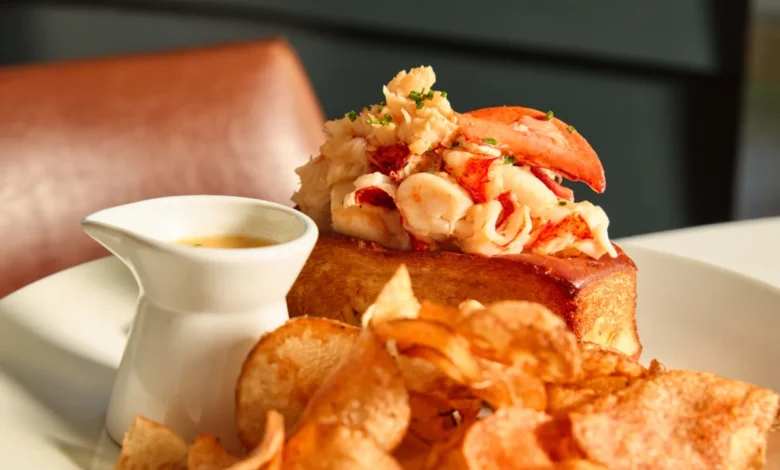
The anatomy of a proper lobster roll remains a subject of passionate culinary debate across New England. Purists fiercely defend the traditional split-top bun, griddled on both sides with butter or oil until golden brown, while contemporary innovators champion brioche or steamed bao-style buns. Furthermore, the preparation of the lobster meat itself divides enthusiasts along geographic and stylistic lines: the Maine style features chilled lobster meat lightly tossed in mayonnaise with celery or herbs, whereas the Connecticut style serves the meat warm, drenched in melted drawn butter. Recognizing these variations is essential for anyone embarking on a comprehensive tasting tour of Boston’s evolving seafood landscape.
A Century of Seaport Tradition: The Evolution of Boston’s Seafood Culture
%20(1)c.jpg)
Boston’s relationship with maritime commerce dates back to the early colonial era, when the city established itself as a primary North American shipping and fishing hub. Over the centuries, the commercial waterfront has undergone profound economic and geographic transformations. Wharves once dominated solely by commercial fishing vessels and industrial packing operations have steadily shared space with residential luxury high-rises, research laboratories, and public parks—particularly in redeveloped districts like the Seaport and Fort Point.
Despite these modernization efforts, the city’s culinary identity remains tethered to its working-waterfront roots. Family-run operations that have anchored the harbor for generations operate alongside avant-garde dining concepts helmed by James Beard Award-winning chefs. This dichotomy has created a dynamic dining scene where textbook-classic preparations sit comfortably alongside globally inspired interpretations, reflecting both culinary heritage and modern gastronomic experimentation.
Row 34: Personal Connections and Chef-Driven Craftsmanship
In the bustling neighborhoods of Fort Point and Cambridge’s Kendall Square, Row 34 represents a bridge between traditional seafood sourcing and modern culinary technique. Helmed by chef Jeremy Sewall, the restaurant maintains a deeply personal supply chain: much of its lobster is sourced directly from Sewall’s cousin, Mark, who captains a commercial fishing vessel out of York Harbor, Maine.

Row 34 offers two distinct approaches to the regional staple. The traditional warm buttered roll highlights freshly steamed tail, knuckle, and claw meat nestled inside a classic split-top bun. Alternatively, the Ethel’s Creamy Lobster Roll—named in honor of Sewall’s grandmother—incorporates a chilled mixture folded with mayonnaise, crème fraîche, celery, red onion, pickles, lemon juice, celery salt, and black pepper. This creamy iteration is served on a rosemary brioche bun that is griddled to order, offering a nuanced flavor profile that balances richness with herbaceous brightness.
James Hook & Co.: The Platonic Ideal on the Waterfront
Operating continuously for over a century, James Hook & Co. functions as an anchor of Boston’s historic Atlantic Avenue waterfront. As a family-run enterprise that processes and ships tens of pounds of fresh lobster daily to wholesale and retail customers nationwide, the establishment possesses an authoritative command of ingredient quality.
Occupying an unassuming, historic shack amid a dramatically modernized downtown skyline, James Hook & Co. serves as an essential starting or ending point for any serious culinary tour of the city. The menu adheres closely to tradition, offering rolls in multiple sizes prepared either chilled with light dressing or warm with drawn butter. Patrons frequently complement their orders with shared sides of double-stuffed scallops, traditional New England clam chowder, or lobster macaroni and cheese.

Saltie Girl: Glamorous Ambience and Playful Innovation
Situated along the upscale boutiques of Newbury Street in the Back Bay, Saltie Girl delivers a sophisticated, contemporary dining experience centered around high-end seafood. While the restaurant’s standard New England-style lobster rolls arrive elegantly presented alongside branded potato chips and optional raw bar accompaniments like fresh caviar, the kitchen is also known for creative departures from tradition.
An off-menu specialty features fried lobster meat sprinkled with Korean chili flakes and sweet corn butter. This preparation yields a richer, spicier, and heavier flavor profile than traditional cold or warm rolls, illustrating how contemporary Boston kitchens continue to reinterpret historical standards without sacrificing culinary integrity.
The Banks Seafood and Steak: Precision Techniques in the Back Bay

Located in the heart of the Back Bay, The Banks Seafood and Steak blends a lively bar atmosphere with a refined approach to regional recipes. The restaurant’s hot lobster roll showcases a meticulous kitchen technique: the lobster meat is par-cooked before being gently warmed in a classic French beurre monté—an emulsified butter sauce that glazes the protein while intensifying its natural flavor.
Served on a house-made brown-butter bun dusted with sea salt and chives, accompanied by Old Bay-seasoned potato chips, the dish exemplifies how subtle adjustments can elevate a simple sandwich into a masterclass of flavor balance without alienating culinary purists.
Eventide Fenway: Bringing Maine Innovation to the Hub
Originally established in Portland, Maine, Eventide expanded its culinary footprint to Boston’s Fenway neighborhood, evolving from a casual counter into a full-service dining destination popular with crowds attending nearby baseball games or cultural events.

Eventide introduced a signature preparation to the local market: brown butter lobster meat served inside a fluffy, steamed bao-style bun. Drenched generously in browned butter and garnished with fresh chives, this contemporary variation merges traditional New England seafood with Asian dumpling-making techniques, creating a unique textural contrast between the tender bun and the rich, warm filling.
The Sail Loft: Classic Waterfront Dining Near the North End
Positioned on the edge of the historic North End within walking distance of the Freedom Trail and Faneuil Hall, The Sail Loft offers diners an enduring waterfront institution with expansive harbor views. The establishment’s traditional lobster roll features chilled lobster salad lightly bound with mayonnaise and piled generously into a toasted bun. Accompanied by thick-cut, crispy french fries rather than standard packaged chips, the restaurant delivers an unpretentious, reliable dining experience backed by stiff drinks and decades of neighborhood consistency.
Red’s Best at Boston Public Market: Supporting Local Fishermen

For travelers seeking a direct connection to New England’s independent fishing fleet, the Red’s Best counter inside the Boston Public Market provides a transparent, educational dining experience. Located steps from historical landmarks in downtown Boston, the market serves as a bustling hub where local purveyors sell regional goods directly to the public.
The lobster rolls here are prepared simply and without excessive culinary intervention, allowing the natural sweetness of the fresh seafood to take center stage. Dining within the active public market offers visitors an authentic glimpse into daily life in the city, with the added convenience of neighboring artisan vendors offering specialty baked goods and confections.
The Barking Crab: Festive Atmosphere and Heavy-Weight Indulgence
Located across the Fort Point Channel, The Barking Crab retains the festive, ramshackle aesthetic of Boston’s pre-redevelopment industrial Seaport. Operating as an open-air seafood destination during warmer months, the restaurant provides a lively and occasionally boisterous environment for casual dining.
.jpeg)
In addition to traditional preparations tossed in mayonnaise or served warm with butter, the menu features a notable luxury item known as the "One and Done" roll. While standard industry portions typically contain roughly a quarter-pound of lobster meat, this oversized option packs a full pound of meat into a single serving, catering to diners looking for an extravagant, memorable indulgence after a day of sightseeing.
Yankee Lobster Co.: Preserving Working Waterfront Heritage
Operating in the Seaport district for approximately 75 years, Yankee Lobster Co. stands as one of the few remaining vestiges of the area’s commercial fishing past amid a landscape dominated by modern glass architecture. The establishment prides itself on unpretentious, high-volume service that prioritizes freshness and tradition over contemporary styling. For visitors seeking a straightforward, high-quality lobster roll rooted in mid-century Boston waterfront culture, Yankee Lobster Co. offers an authentic, historic alternative to the neighborhood’s newer dining venues.
Sullivan’s Castle Island: The Definitive Local Tradition
.jpg)
A visit to Castle Island—a historic peninsula at the southern tip of South Boston, locally known as "Southie"—is a cherished regional ritual. Visitors routinely complete a scenic walk or bike ride around Fort Independence, the oldest continuously fortified site in British North America, before visiting Sullivan’s, a concession institution that has served generations of Bostonians and earned a James Beard Foundation America’s Classics Award.
While Sullivan’s does not offer avant-garde culinary innovations or white tablecloth service, its classic lobster roll embodies the unpretentious spirit of Boston seaside dining. For those looking to experience local culture precisely as residents do, a meal at Sullivan’s remains an essential stop on any comprehensive New England culinary journey.
Related posts: