NASA Astronaut Chris Williams and Crew Begin Return to Earth as Soyuz MS-28 Undocks from International Space Station

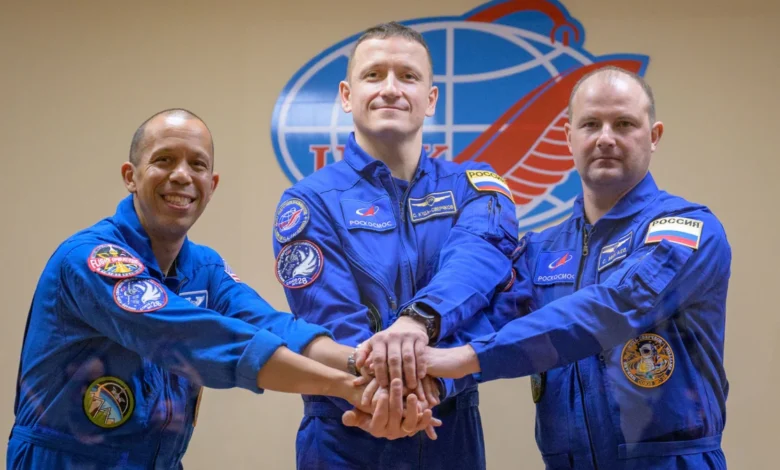
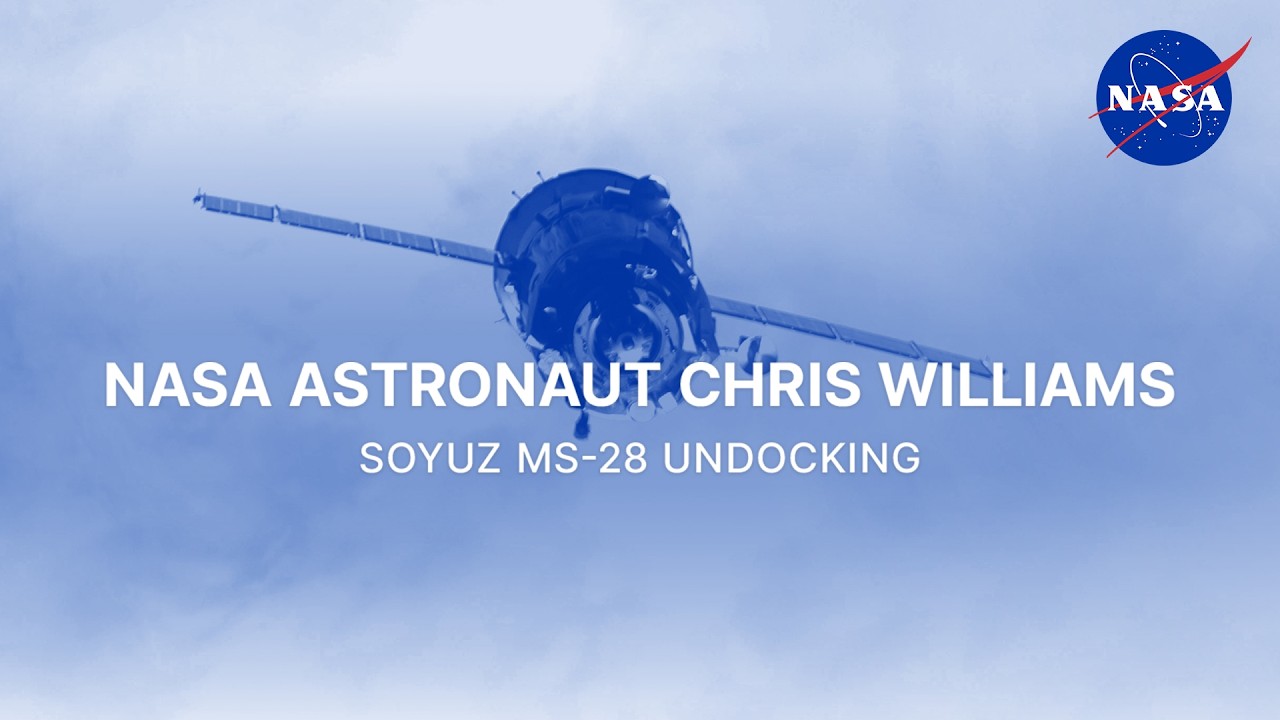
The International Space Station (ISS) is preparing for a significant crew handover and the departure of a U.S.-Russian contingent as NASA astronaut Chris Williams, alongside Roscosmos cosmonauts Sergey Kud-Sverchkov and Sergei Mikaev, are set to undock from the orbiting laboratory. This pivotal event, marking the conclusion of their extended mission, is scheduled for early Sunday morning, July 26th. The undocking is slated for 3:02 a.m. EDT (0702 GMT), with the Soyuz MS-28 spacecraft commencing its journey back to Earth, aiming for a landing on the Kazakhstan steppe approximately 3.5 hours later, at 6:26 a.m. EDT (1026 GMT).
This return signifies the end of a 241-day mission for the trio, during which they completed 3,856 orbits of Earth, covering a staggering distance of over 102 million miles (164 million kilometers). The mission, launched on Thanksgiving Day, November 27th, 2026, marked the maiden spaceflight for both Williams and Mikaev, while Kud-Sverchkov embarked on his second orbital expedition. Their return underscores the continued international collaboration that defines human presence in low Earth orbit.
A Seamless Transition: Command Handover and Farewell Ceremonies
The departure of Soyuz MS-28 is preceded by a series of crucial operational and ceremonial events designed to ensure a smooth transition of command and responsibilities aboard the ISS. Coverage of these events commenced on Saturday, July 25th, at 9:40 a.m. EDT (1340 GMT) with a formal change-of-command ceremony. During this ceremony, Sergey Kud-Sverchkov officially passed the mantle of ISS Commander to NASA astronaut Jessica Meir, a key moment signifying the shift from Expedition 74 to Expedition 75. This transition is a fundamental aspect of long-duration spaceflight, ensuring continuity of operations and leadership.
Following the change of command, NASA’s webcast resumed late Saturday night at 11:10 p.m. EDT (0310 GMT on July 26th) to broadcast the crew’s farewells to their remaining ISS colleagues. This was followed by the critical procedure of closing the hatches between the Soyuz MS-28 spacecraft and the orbital outpost, an event anticipated at 11:30 p.m. EDT (0330 GMT). These moments are not merely procedural; they represent the culmination of months of shared living and working in the extreme environment of space, fostering deep bonds between crew members from different nations.
Witnessing the Descent: Undocking and Landing Coverage
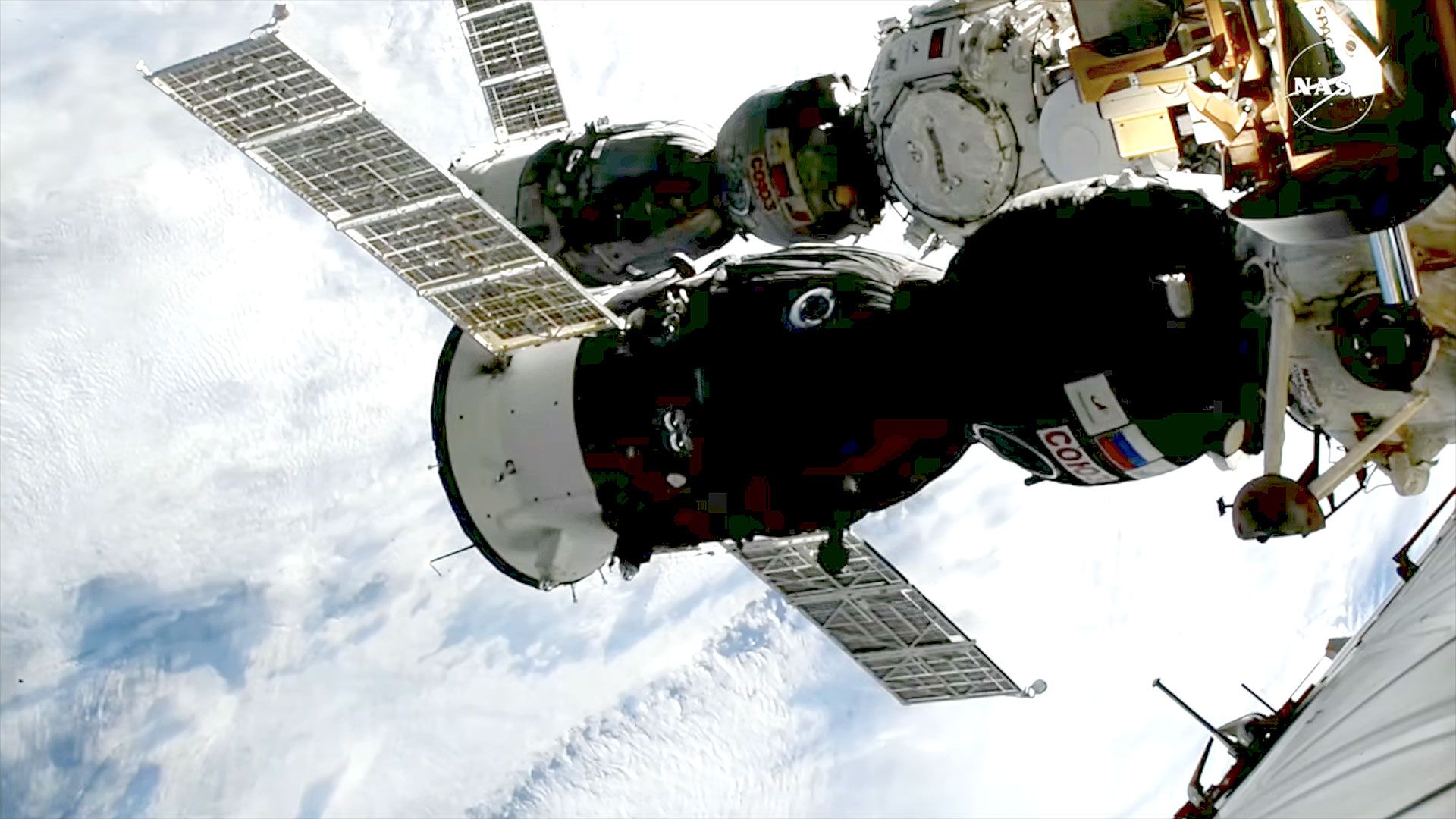
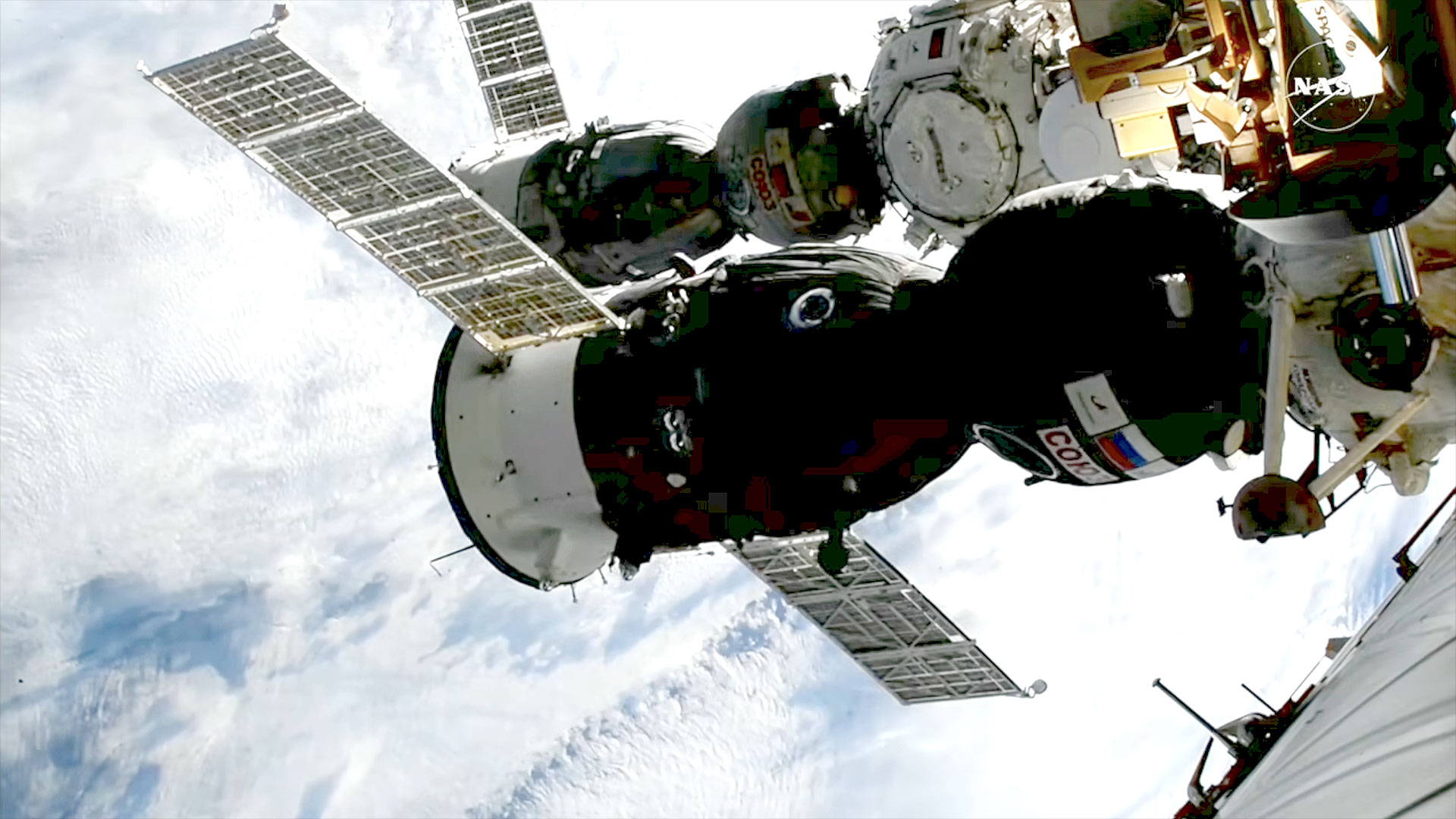
The primary focus of the broadcast schedule shifts to the Soyuz MS-28’s departure from the ISS. Undocking coverage began on Sunday morning at 2:30 a.m. EDT (0630 GMT), allowing viewers to witness the intricate maneuvers as the spacecraft gently separates from its docking port. The stream will then resume at 5:15 a.m. EDT (0915 GMT) to provide live views of the deorbit burn, the critical maneuver that initiates the spacecraft’s descent from orbit, and subsequent landing activities. NASA officials have confirmed that the landing is expected to occur in a designated zone southeast of the Kazakh city of Dzhezkazgan.
Viewers can follow these historic moments live through NASA’s broadcast channels, including the YouTube stream provided by Space.com, which offers a direct window into the final stages of this space mission. The ability to broadcast these events live underscores the advancements in space communication and the commitment to public engagement in space exploration.
The Soyuz MS-28 Mission: A Glimpse into International Collaboration
The Soyuz MS-28 spacecraft, a workhorse of Russian spaceflight, has served as the lifeline for this crew, ferrying them to and from the ISS. The spacecraft’s design, rooted in decades of Soviet and Russian space heritage, represents a proven and reliable platform for human spaceflight. Its undocking marks the successful completion of its role in supporting this particular expedition.
The presence of an American astronaut on a Russian Soyuz spacecraft for a return journey highlights the enduring nature of U.S.-Russian cooperation in space, even amidst broader geopolitical complexities. This collaboration is essential for the continued operation and scientific advancement of the International Space Station, a testament to humanity’s ability to work together on ambitious endeavors that transcend national boundaries.
The mission of Soyuz MS-28 has been instrumental in supporting the ongoing scientific research conducted aboard the ISS. Astronauts and cosmonauts continuously conduct experiments across a wide range of disciplines, including biology, physics, materials science, and Earth observation, all within the unique microgravity environment of the space station. The data gathered from these experiments contributes to our understanding of the universe, the human body, and the challenges facing our planet.
Background: The International Space Station and Crew Rotations
The International Space Station, a collaborative project involving five space agencies – NASA (United States), Roscosmos (Russia), JAXA (Japan), ESA (Europe), and CSA (Canada) – has been continuously inhabited since November 2, 2000. It serves as a unique orbiting laboratory and a testament to international cooperation in space exploration.
Crew rotations are a fundamental aspect of maintaining the ISS’s operational status and scientific output. Typically, crews spend around six months aboard the station, during which they perform spacewalks, maintain the station’s systems, and conduct a vast array of scientific experiments. The arrival and departure of Soyuz spacecraft are critical to these rotations, ensuring a continuous human presence and the orderly transfer of responsibilities.
The Soyuz spacecraft, while a vital component of crew transport, is one of several vehicles that have served this purpose. Historically, the Soyuz has been the sole means of transporting astronauts to and from the ISS for a period following the retirement of the Space Shuttle program. More recently, commercial crew vehicles developed by American companies like SpaceX have joined the fleet, further diversifying the transportation options. However, the Soyuz continues to play a crucial role, particularly in ensuring redundancy and flexibility in crew access to the station.
Post-Landing Procedures and Future Missions
Upon successful touchdown in Kazakhstan, the crew of Soyuz MS-28 will undergo immediate medical checks and preliminary debriefings. Following these initial procedures, they will be transported by helicopter to Karaganda, Kazakhstan, where recovery teams are based.
For NASA astronaut Chris Williams, the journey will continue with a flight back to NASA’s Johnson Space Center in Houston, Texas. This return marks the end of his first space mission, a significant milestone in his career as an astronaut. He will then undergo a period of rehabilitation and debriefing, sharing his experiences and contributing to the planning of future missions.
Cosmonauts Sergey Kud-Sverchkov and Sergei Mikaev will travel from Kazakhstan to their training base in Star City, Russia. Their return signifies the conclusion of their respective missions and their reintegration into the Roscosmos program.
The successful completion of the Soyuz MS-28 mission and the upcoming transition to Expedition 75 pave the way for continued operations and scientific endeavors aboard the ISS. The ongoing exchange of crews, the meticulous planning of scientific experiments, and the collaborative spirit that defines the ISS are all testaments to humanity’s enduring drive to explore and understand the cosmos. As the world watches the return of these three individuals, it also celebrates the remarkable achievements of international partnership in the pursuit of scientific knowledge and the expansion of human horizons.
The data gathered during their 241 days in orbit will be meticulously analyzed by scientists on Earth, promising to yield valuable insights into various scientific fields. This mission, like all those before it, contributes to a growing body of knowledge that will inform future space exploration endeavors, including the ambitious plans for returning humans to the Moon and eventually venturing to Mars. The dedication and resilience of astronauts and cosmonauts like Chris Williams, Sergey Kud-Sverchkov, and Sergei Mikaev are the bedrock upon which these future achievements will be built.