The Odyssey’s Casting of Elliot Page Sparks Conservative Outcry, Defended by Whoopi Goldberg

Whoopi Goldberg used Tuesday’s episode of "The View" to push back against conservative anger over Elliot Page’s casting in Christopher Nolan’s “The Odyssey,” dismissing a clip of commentator Ben Shapiro calling the choice a mistake. The controversy highlights a recurring theme in contemporary entertainment: the intersection of identity politics, artistic freedom, and the vocal reactions from segments of the viewing public.
Shapiro’s criticism, presented on a segment of his platform, characterized Page’s role as an “absolute puzzler.” He elaborated, stating, “He is about 5’2 and 105 pounds soaking wet and has the voice of a woman. It doesn’t work.” This sentiment, amplified by Shapiro, represents a vocal contingent of conservative thought that often scrutinizes casting decisions perceived to deviate from traditional portrayals or to align with progressive social ideologies. The implication is that an actor’s personal identity should directly correlate with the character they portray, particularly in roles that were historically conceived or cast in a different era.

Goldberg, a seasoned media personality and advocate for inclusivity, directly challenged this perspective. “A lot of conservatives who see this are going to feel the same way. That’s okay. But I don’t understand. Why go see the movie? If you don’t want to see it, don’t go see it. Why do you care who’s cast in it?” Her remarks underscore a fundamental question about audience engagement: whether disapproval of an actor’s identity should translate into a boycott of a film, or if it reflects a broader discomfort with evolving societal norms and representation in media.
The Context of Elliot Page’s Casting
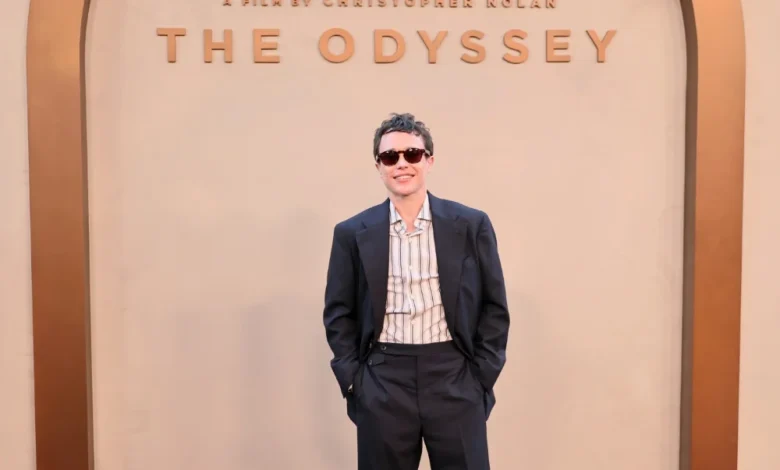
Elliot Page portrays Sinon, a cousin to Matt Damon’s Odysseus, in Nolan’s ambitious cinematic adaptation of Homer’s epic poem. The role, while not central, is a significant supporting character within the narrative. The Variety review itself described Page’s performance as "tersely vulnerable," suggesting a nuanced portrayal that transcends superficial physical attributes or the actor’s personal life. This framing emphasizes the artistic merit and character development over identity politics.
The debate surrounding Page’s casting is not an isolated incident but part of a larger cultural conversation. Since coming out as transgender in 2020, Elliot Page has become a prominent figure in discussions about LGBTQ+ rights and representation. His casting in a major Hollywood production like "The Odyssey," directed by a filmmaker of Christopher Nolan’s stature, naturally draws attention and invites commentary from various ideological standpoints.

A History of Conservative Scrutiny and "Woke" Accusations
Goldberg’s defense extended beyond Page, addressing the broader trend of labeling artistic choices as "woke." She argued that this term is often weaponized against ordinary individuals striving to live their lives, rather than against those actively promoting a specific agenda. This perspective suggests that "woke" has become a catch-all pejorative used to dismiss any deviation from a perceived conservative norm, including diverse casting and inclusive storytelling.
The right-leaning criticism predated the film’s release and even the confirmation of Page’s specific role. Initially, rumors circulated, amplified by figures like Elon Musk, that Page might be cast as Achilles. This inaccurate speculation fueled a hostile response, demonstrating how preemptive condemnation can shape public perception before factual information is available. Such rapid dissemination of unverified claims highlights the speed and reach of online discourse and its potential to mobilize opposition.
Furthermore, the controversy echoes similar reactions to other casting decisions in "The Odyssey." Lupita Nyong’o’s involvement in the project also faced a "similarly hostile response," reportedly rooted in racist objections to her casting. This parallel underscores a pattern of targeted criticism against actors from marginalized groups, suggesting that the objections are not solely about artistic merit but are often intertwined with broader prejudices.

Box Office Success Amidst Controversy
Despite the vocal opposition from some conservative quarters, "The Odyssey" has achieved remarkable commercial success. Christopher Nolan’s film enjoyed the biggest opening of his career, with global collections surpassing the $300 million mark. This financial triumph indicates that the controversy, while generating significant online discussion and media coverage, has had minimal impact on the film’s box office performance.
This dichotomy between vocal criticism and audience patronage raises questions about the actual influence of such debates on consumer behavior. It suggests that a significant portion of the movie-going public remains more interested in the quality of the filmmaking, the director’s reputation, and the overall narrative than in the identity politics surrounding the cast. Alternatively, it could indicate that the audience base for a Nolan film is less aligned with the demographics voicing these specific criticisms.
The Broader Implications for Hollywood and Society
The debate surrounding Elliot Page’s casting in "The Odyssey" is emblematic of ongoing tensions in Hollywood and broader society regarding representation, artistic freedom, and the evolving definition of "acceptable" casting.

1. Artistic Freedom vs. Audience Expectation: The core of the debate lies in the tension between an artist’s prerogative to cast actors as they deem fit for a role and the audience’s diverse expectations and interpretations. Nolan, as the director, has the authority to make casting decisions that serve his artistic vision. However, in an era of heightened social awareness, these decisions are often scrutinized through lenses of representation and identity.
2. The Power of Social Media and Commentary: Figures like Ben Shapiro wield considerable influence in shaping public discourse. Their pronouncements can quickly galvanize supporters and frame narratives, particularly within specific ideological echo chambers. The rapid spread of these critiques underscores the potent role of social media in contemporary media analysis and public opinion formation.
3. The Evolution of "Woke" as a Political Term: The term "woke" has transformed from a descriptor of social consciousness to a pejorative used to criticize progressive ideals and actions. Goldberg’s assertion that it’s applied to ordinary people highlights how the term has been diluted and weaponized in political discourse, often to dismiss any form of social progress or inclusivity.

4. The Resilience of Blockbuster Cinema: The financial success of "The Odyssey" demonstrates that, for major cinematic events, box office performance can often outweigh ideological objections. Audiences may be drawn to the spectacle, the director’s brand, or the universal themes of the story, irrespective of casting controversies. This suggests that, while vocal minorities can create significant noise, they may not always translate into tangible commercial consequences for large-scale productions.
5. The Future of Representation in Media: This controversy, and others like it, are part of a continuous negotiation about who gets to tell stories and who gets to inhabit fictional worlds. As society becomes more diverse, so too will the demand for authentic and inclusive representation on screen. Hollywood studios and filmmakers will continue to navigate these evolving expectations, balancing artistic vision with the desire to connect with a broader, more diverse audience. The ongoing dialogue, even when contentious, contributes to a richer and more representative media landscape in the long term. The sustained success of films like "The Odyssey" suggests that audiences are increasingly open to diverse casting, even as pockets of resistance persist. The industry’s response will likely involve a continued push for inclusivity, met with ongoing debate and scrutiny, shaping the future of storytelling for years to come.