AI Agents Forge New Paths in Travel, Addressing Offline Gaps and System Interoperability Challenges

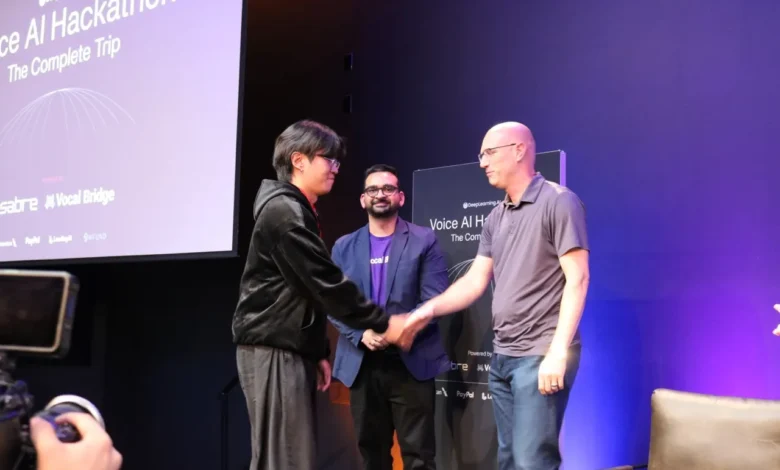
Developers participating in a Sabre hackathon last Saturday didn’t build another search tool. Their winning agents called hotels for answers that no websites list, pulled scattered reservations together, and rebuilt trips when flight plans get disrupted. For travel executives, two things stand out. One is where AI agents may actually earn their keep: the offline, between-the-systems coordination that never made it online, not the search box the industry keeps rebuilding. The other is harder to ignore – travel talks a lot about AI, yet hasn’t settled who gets to build on its systems. A trip is sold as one experience but runs on separate airline, hotel, restaurant, payment, and ground-transport systems. Travelers and service agents carry the context between them by hand, then by phone. "It was important that we had this event, that we started to change the mindset about travel being closed and shifting to open [tools], and being more available."
The recent Sabre hackathon, held on Saturday, November 18th, 2023, at Sabre’s global headquarters in Southlake, Texas, showcased a tangible shift in how artificial intelligence might revolutionize the travel industry. Rather than focusing on incremental improvements to existing search functionalities, the participating developer teams were tasked with creating AI-powered agents capable of tackling the complex, often fragmented, operational realities of travel planning and execution. The event, which brought together over 150 developers, designers, and product managers from various backgrounds, including Sabre employees and external tech professionals, aimed to foster innovation by simulating real-world travel challenges that have historically eluded purely digital solutions.
Beyond the Search Box: Addressing the "Offline" Travel Ecosystem
For decades, the travel industry has strived to digitize and streamline the booking process, primarily through enhanced search engines and online booking platforms. However, the hackathon’s outcomes underscore a critical realization among industry leaders: the most significant opportunities for AI lie not in replicating or refining what already exists online, but in bridging the persistent gaps in the "offline" and inter-system coordination that defines travel logistics.
The winning projects demonstrated an impressive ability to interact with systems and information that are not typically exposed through standard APIs or accessible via public websites. For instance, one standout AI agent was designed to proactively contact hotels to confirm specific room requests or verify availability beyond the standard online inventory. This is a task currently performed manually by travel agents, often requiring time-consuming phone calls and leading to potential miscommunications or delays. The ability of an AI agent to autonomously navigate these interactions represents a substantial leap forward in operational efficiency.
Another winning concept focused on aggregating dispersed reservation data. Travelers often book flights, hotels, rental cars, and activities through multiple providers, leading to a fragmented itinerary. AI agents that can intelligently pull these disparate bookings into a unified view, identify potential conflicts, and present a cohesive travel plan are invaluable. This not only simplifies the traveler’s experience but also provides a crucial single source of truth for travel management companies and corporate travel departments.
Perhaps the most compelling demonstration of AI’s potential was in the realm of disruption management. When flight plans are inevitably altered due to weather, mechanical issues, or other unforeseen circumstances, the ripple effect across other bookings can be catastrophic. The hackathon’s winning agents showcased the ability to not only detect these disruptions but also to proactively rebook alternative flights, secure new hotel accommodations, and adjust ground transportation arrangements, all while considering the traveler’s preferences and existing commitments. This level of automated, intelligent re-planning, which currently requires significant human intervention, has the potential to drastically reduce traveler stress and operational costs for travel providers.
The Interoperability Conundrum: Who Controls the AI Frontier?
While the technical achievements were impressive, the hackathon also highlighted a more fundamental, and perhaps more challenging, aspect of AI adoption in the travel sector: the question of system access and development rights. The article notes, "travel talks a lot about AI, yet hasn’t settled who gets to build on its systems." This statement points to a broader industry debate about open versus closed ecosystems and the proprietary nature of travel technology platforms.
A trip, as the article accurately describes, is not a monolithic entity but a complex orchestration of numerous independent systems: airlines, hotels, restaurants, payment gateways, and ground transportation providers, each operating with its own proprietary technology stack. Historically, these systems have been reluctant to share data or provide open access to their platforms due to competitive concerns and the complexity of integration.
The hackathon, by enabling developers to build on Sabre’s platforms, represented a step towards a more open approach. Sabre, a major global distribution system (GDS) provider, is a critical hub for travel bookings. By allowing developers to innovate on its infrastructure, Sabre is signaling a willingness to embrace external innovation. However, the broader industry is still grappling with how to create an environment where AI agents can seamlessly interact across these diverse systems.
This debate has significant implications. If AI development remains confined to proprietary silos, the true potential for end-to-end travel automation will be severely limited. Travelers will continue to experience friction as their AI agents struggle to communicate with various service providers. Conversely, a more open ecosystem, facilitated by standardized APIs and data-sharing agreements, could unlock unprecedented levels of efficiency and personalization.
A Timeline of Innovation: From Concept to Code
The Sabre hackathon, held over a single intense weekend, compressed a significant amount of innovation into a short timeframe. The process likely began with teams brainstorming potential use cases that addressed the core challenges of travel coordination. This would have been followed by a period of rapid prototyping, leveraging Sabre’s APIs and development tools.
Pre-Hackathon:
- Industry Recognition of AI Potential: Over the past few years, AI has moved from a theoretical concept to a practical tool in various industries. In travel, early AI applications focused on chatbots for customer service and personalized recommendations. However, the limitations of these applications in addressing complex operational issues became increasingly apparent.
- Sabre’s Strategic Vision: Sabre, as a technology provider deeply embedded in the travel ecosystem, recognized the need to foster innovation beyond its traditional offerings. The hackathon served as a platform to explore how AI could be integrated into its existing infrastructure and to identify emerging talent and solutions.
- Call for Participants: Developers, both internal and external, were invited to register for the event, with a focus on those with expertise in AI, machine learning, and software development.
Hackathon Weekend (November 18-19, 2023):
- Kick-off and Ideation: The event commenced with an opening address, likely outlining the hackathon’s objectives, providing access to Sabre’s development resources, and setting the stage for a collaborative and competitive environment. Teams formed around shared ideas and problem statements.
- Intensive Development: For 24-48 hours, developers worked tirelessly, coding, testing, and refining their AI agent prototypes. Mentors, likely including Sabre engineers and industry experts, would have been available to provide guidance and technical support.
- Focus on Real-World Problems: The emphasis was clearly on practical applications, such as automating communication with hotels, consolidating reservations, and managing disruptions. This practical approach distinguished it from purely theoretical AI projects.
- Judging and Presentation: At the conclusion of the development period, teams presented their solutions to a panel of judges. These judges, likely comprised of Sabre executives, industry analysts, and technology leaders, evaluated the projects based on innovation, feasibility, impact, and technical execution.
Post-Hackathon:
- Announcement of Winners: The winning teams were announced, recognizing their groundbreaking solutions. These solutions represent potential future products and services within the travel industry.
- Industry Analysis and Dialogue: The outcomes of the hackathon have sparked broader conversations among travel executives and technology providers regarding the future of AI in travel, particularly concerning interoperability and open systems.
- Potential for Integration: Sabre and other industry players will now evaluate the feasibility of integrating these hackathon-winning concepts into their broader technology roadmaps.
Supporting Data and Industry Trends
The hackathon’s emphasis on AI agents tackling offline and inter-system coordination aligns with several prevailing trends in the travel technology landscape.
- The Rise of Orchestration Platforms: The travel industry is increasingly moving towards platforms that can orchestrate complex journeys. Companies like Amadeus and Travelport, alongside Sabre, are investing in solutions that go beyond basic booking to manage the entire lifecycle of a trip. AI agents are seen as a key enabler for this orchestration.
- Personalization Demands: Travelers expect highly personalized experiences. AI agents that can understand individual preferences and proactively manage itineraries based on those preferences are crucial for meeting these demands. A report by Amadeus in 2022 indicated that 70% of travelers are willing to share data to receive more personalized offers and experiences.
- The "Rebuilding Trips" Imperative: The economic impact of travel disruptions is significant. According to a study by the U.S. Travel Association, travel disruptions cost the U.S. economy billions of dollars annually in lost revenue and traveler dissatisfaction. AI-powered solutions that can mitigate these disruptions are therefore of immense value.
- API Economy Growth: The growth of the API economy has made it easier for developers to build integrated solutions. Sabre’s willingness to host a hackathon on its platform underscores the understanding that collaboration and open innovation are vital for future growth.
Statements and Reactions: A Glimpse into the Future
While direct quotes from specific executives at the hackathon were not extensively detailed in the provided excerpt, the sentiment expressed – "It was important that we had this event, that we started to change the mindset about travel being closed and shifting to open [tools], and being more available" – strongly suggests a strategic shift within Sabre. This statement implies a recognition that the traditional, closed-system approach to travel technology is no longer sufficient to meet the demands of modern travel and the potential of AI.
Industry observers have long debated the pace of AI adoption in travel, often citing the industry’s inherent complexity and legacy systems as hurdles. However, events like this hackathon serve as tangible evidence of a proactive approach to overcoming these challenges. The focus on practical, operational AI solutions, rather than just customer-facing interfaces, signals a maturity in the industry’s understanding of where AI can deliver the most significant value.
Broader Impact and Implications
The hackathon’s outcomes have several far-reaching implications for the travel industry:
- Shift in AI Investment: Travel companies may re-evaluate their AI investment strategies, shifting focus from purely search-based enhancements to solutions that address operational complexities, such as disruption management and inter-system coordination.
- Rise of "Agent-as-a-Service": The development of sophisticated AI agents could lead to a new category of "Agent-as-a-Service" providers, who offer specialized AI capabilities to travel agencies, corporate travel managers, and even directly to travelers.
- Pressure for Interoperability: The success of these AI agents will inevitably increase pressure on travel providers to open their systems and standardize APIs. This could accelerate the move towards a more connected and interoperable travel ecosystem.
- Enhanced Traveler Experience: Ultimately, these advancements promise a more seamless, personalized, and resilient travel experience for consumers, where AI agents act as intelligent travel companions, proactively managing complexities and anticipating needs.
- Sabre’s Strategic Positioning: For Sabre, hosting such an event and fostering this type of innovation solidifies its position as a technology leader committed to the future of travel. It also provides valuable insights into the practical applications of AI on its platform, informing future product development.
In conclusion, the Sabre hackathon served as a powerful microcosm of the evolving AI landscape within the travel industry. By moving beyond the well-trodden path of search optimization, developers demonstrated the tangible potential of AI to solve some of the industry’s most persistent operational challenges. The success of these agents, particularly in addressing the "offline" coordination and disruption management, signals a promising future where AI agents will not merely search for travel options, but actively orchestrate and manage the entire travel journey, transforming how we experience travel. The ongoing dialogue around system access and interoperability will be crucial in determining the speed and scope of this transformation.
Related posts: