The Boston Evolution: Why the Historic Hub Remains a Top Destination for Global Talent and Urban Innovation

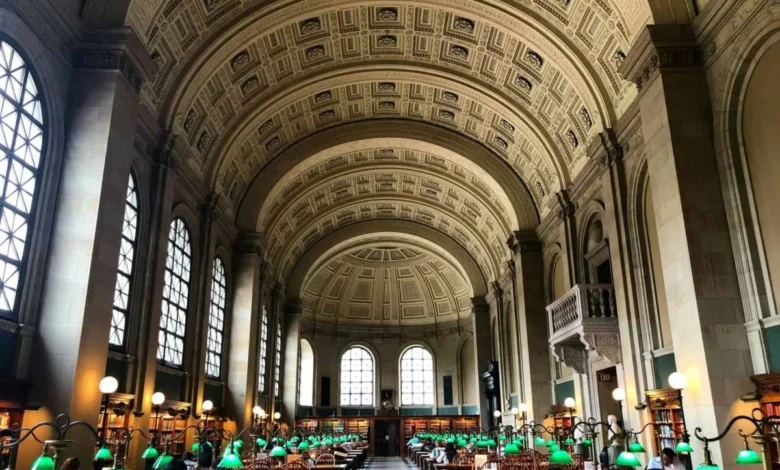
Boston, Massachusetts, has long been defined by its contradictions—a city where colonial-era cobblestones meet glass-paned biotech laboratories, and where a transient student population exists alongside deeply rooted, multi-generational neighborhoods. While many initially arrive in the city to pursue higher education or early-career opportunities in the technology and medical sectors, a growing body of evidence suggests that the city’s "stickiness"—its ability to retain residents long after their initial reason for moving has passed—is driven by a sophisticated blend of walkability, economic diversity, and a unique "innovation-driven" culture. Unlike many American metropolitan areas that struggle with urban sprawl, Boston has leaned into its identity as a dense, interconnected hub, creating a lifestyle that prioritizes intellectual engagement and physical accessibility.
The Academic Engine: More Than Just a College Town
At the heart of Boston’s identity is its unparalleled concentration of higher education institutions. With over 60 colleges and universities in the Greater Boston area, the city serves as a global magnet for intellectual capital. However, the impact of these institutions extends far beyond the classroom, permeating the city’s daily life and professional landscape.
“To me, Boston is known for its academic culture,” notes photographer Adrianne Mathiowetz. She observes that this influence is manifested in tangential ways, including a thriving public radio and broadcasting community, world-class hospitals like Boston Children’s and Dana-Farber, and a dense network of art museums such as the Museum of Fine Arts (MFA). This environment fosters a community where critical thinking and discussion are part of the social fabric. For professionals like Mathiowetz, the density of writers, researchers, and thinkers provides a constant stream of creative and professional inspiration.
The presence of Harvard University, the Massachusetts Institute of Technology (MIT), and Boston University does more than provide jobs; it creates a feedback loop of innovation. According to George Zheng, a Harvard-trained architect and CEO of Edensign, the proximity of these institutions allows for a unique level of collaboration. Zheng, whose AI-driven real estate platform was incubated at Harvard Innovation Labs, points to Kendall Square in Cambridge and the Longwood Medical Area as epicenters where researchers, founders, and investors turn theoretical ideas into tangible products and companies.
A Chronology of Transformation: From the Big Dig to the Seaport
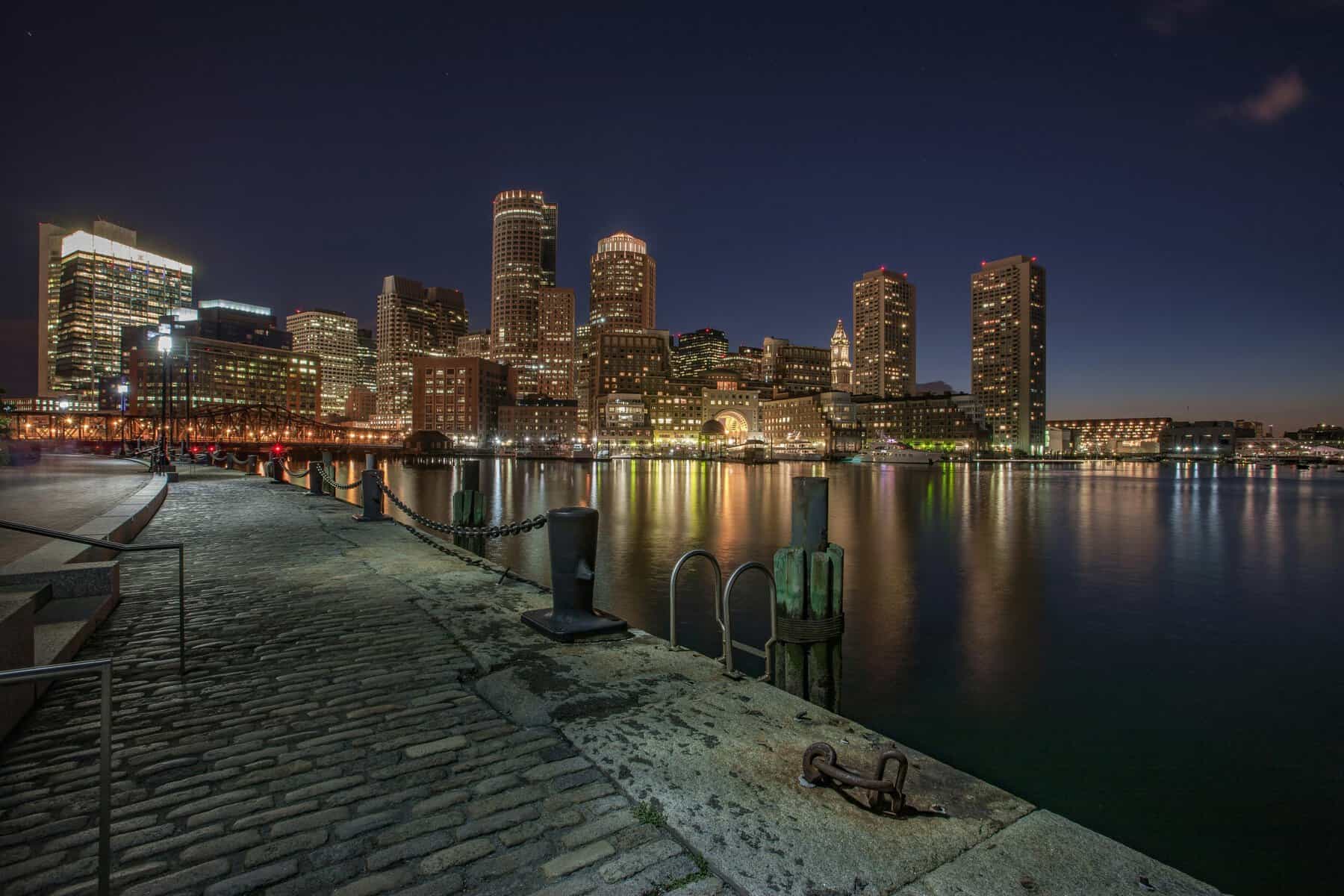
To understand Boston’s current appeal, one must look at the massive infrastructure shifts that have occurred over the last three decades. The most significant of these was the Central Artery/Tunnel Project, colloquially known as the "Big Dig." Completed in the early 2000s, this project replaced a crumbling elevated highway that sliced through the heart of the city with a series of tunnels, topped by the Rose Fitzgerald Kennedy Greenway.
This project was a turning point for Boston’s walkability and aesthetic appeal. It reconnected the North End and the Waterfront to the downtown core, facilitating the development of the Seaport District—now one of the most expensive and modern neighborhoods in the country. This evolution from an industrial, transit-choked city to a "walker’s paradise" is a primary reason why residents find it easy to forgo car ownership. The city’s compact geography allows for a lifestyle where one can walk to dinner, take the Massachusetts Bay Transportation Authority (MBTA) "T" to work, or bike along the Charles River Esplanade.
The Neighborhood Ecosystem: A "City of Neighborhoods"
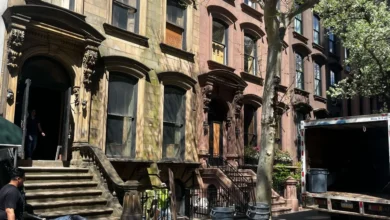
Despite its global status, Boston remains a "city of neighborhoods," each maintaining a distinct architectural and cultural identity. The experience of living in the gas-lit, historic streets of Beacon Hill is fundamentally different from the bohemian, green-space-heavy atmosphere of Jamaica Plain or the student-centric energy of Allston.
Saysha Thind, of Boston Interior Design, highlights that the city offers a healthy balance between arts, culture, and the booming biotech industry. "The Charles River offers residents the ability to enjoy the outdoors and frequent the beautiful neighborhoods, including shops and restaurants around the Back Bay area," Thind says. This neighborhood loyalty is a hallmark of Boston life; residents often identify more with their specific square or "T" stop than with the city as a whole.
The diversity of housing stock—from traditional triple-deckers in Dorchester to luxury high-rises in the West End—allows the city to accommodate a wide range of lifestyles, though the high cost of entry remains a significant hurdle. Data from real estate platforms like Redfin indicates that while Boston remains one of the most expensive markets in the U.S., the demand is sustained by the city’s high median income and the stability of its major employers in healthcare and education.
Economic Diversification: Beyond Software and Finance
While Boston is often categorized alongside Silicon Valley as a tech hub, its economic engine is far more multifaceted. The region is a leader in "physical innovation"—industries that require hands-on engineering and complex infrastructure rather than just code.
Industrial photographer David Degner has documented this breadth of industry, noting that the region’s innovation is often very physical. "I’ve photographed climate-tech startups at Greentown Labs, dairy farmers using digesters to turn manure and food waste into renewable energy, and massive offshore infrastructure projects," Degner explains. This intersection of academic research, skilled trades, and industrial engineering creates a resilient job market. The presence of union halls teaching new generations of apprentices alongside biotech labs developing memory-restoring neural implants illustrates the city’s ability to bridge the gap between the "old economy" and the "new economy."
This economic synergy is supported by significant venture capital investment. In 2023, Massachusetts-based companies continued to receive a disproportionate share of national VC funding, particularly in the life sciences and "tough tech" sectors. This financial backing ensures that the city remains at the forefront of global challenges, such as climate change and personalized medicine.
Public Spaces and the Outdoor Lifestyle
A common misconception among those moving to New England is that the harsh winters keep people indoors. On the contrary, Boston’s urban planning emphasizes the "Emerald Necklace"—a chain of parks designed by Frederick Law Olmsted. From the Boston Common and Public Garden to the Arnold Arboretum, the city provides ample "green lungs" for its residents.
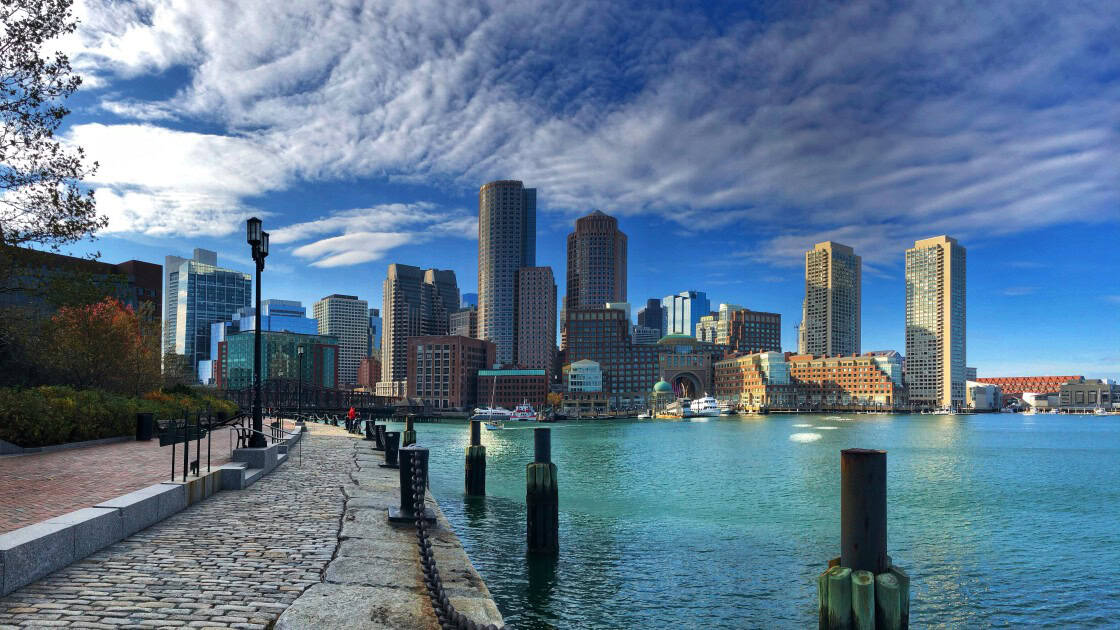
The team at Joshua Alan Interiors notes that Boston offers a lifestyle where America’s first landmarks exist alongside thoughtfully designed contemporary spaces. This "richness of place" is enhanced by easy access to the broader New England landscape, including the Atlantic coastline and the White Mountains. The result is an urban sophistication that does not sacrifice access to nature. The Harborwalk, a public walkway along the water’s edge, has become a symbol of the city’s commitment to reclaiming its industrial waterfront for public use.
Analysis of Implications: Challenges for the Future
While Boston’s blend of history, academia, and innovation makes it a compelling place to live, the city faces significant structural challenges. The very things that make it attractive—its density and historic character—also contribute to a chronic housing shortage and aging infrastructure.
- Housing Affordability: The high demand for proximity to "innovation clusters" like Kendall Square has driven rents and home prices to historic highs. This threatens to push out the very "creatives and apprentices" that experts like Degner and Mathiowetz identify as essential to the city’s character.
- Transit Reliability: While Boston is highly walkable, its public transit system, the MBTA, has faced significant safety and reliability issues in recent years. Maintaining the city’s "car-free" appeal will require massive investment in the "T" to ensure it can support a growing population.
- Climate Resiliency: As a coastal city, Boston is on the front lines of sea-level rise. The city’s "Climate Ready Boston" initiative is currently working to protect vulnerable neighborhoods like East Boston and the Seaport from future flooding, a task that will define the city’s urban planning for the next century.
Conclusion: A Strong Sense of Place
Ultimately, what keeps people in Boston is a "strong sense of place," as described by photographer Heidi Kirn. The city’s ability to allow the past and present to coexist—where a colonial graveyard sits across from a modern office tower—gives it a depth that newer cities often lack. It is a city that invites critical thinking and rewards those who explore its varied neighborhoods.
As Boston continues to evolve into a global center for biotech and climate technology, its success will depend on its ability to maintain the "everyday life" perks that residents cherish: the neighborhood bakeries, the walks along the Charles, and the intellectual energy that defines the "Beantown" experience. For those considering a move, the draw is not just a job or a degree, but the opportunity to live in a city that is constantly reinventing itself without losing its soul.