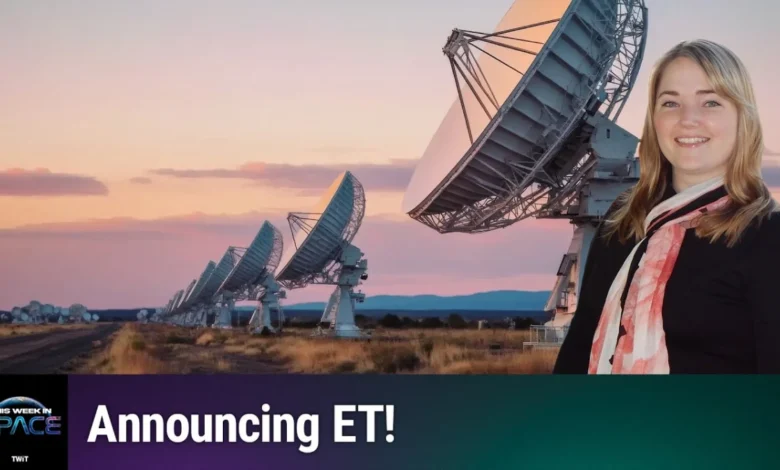
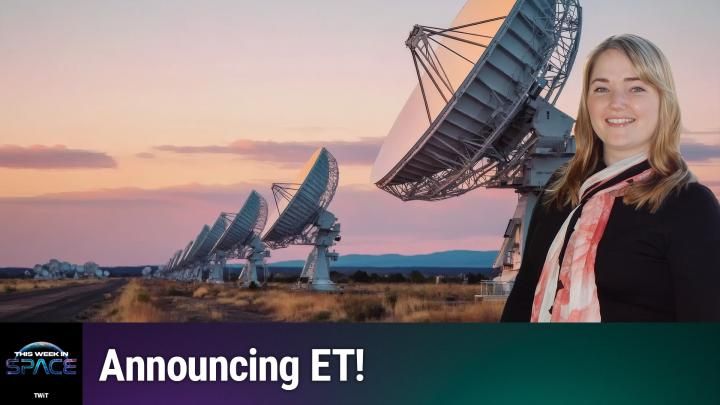
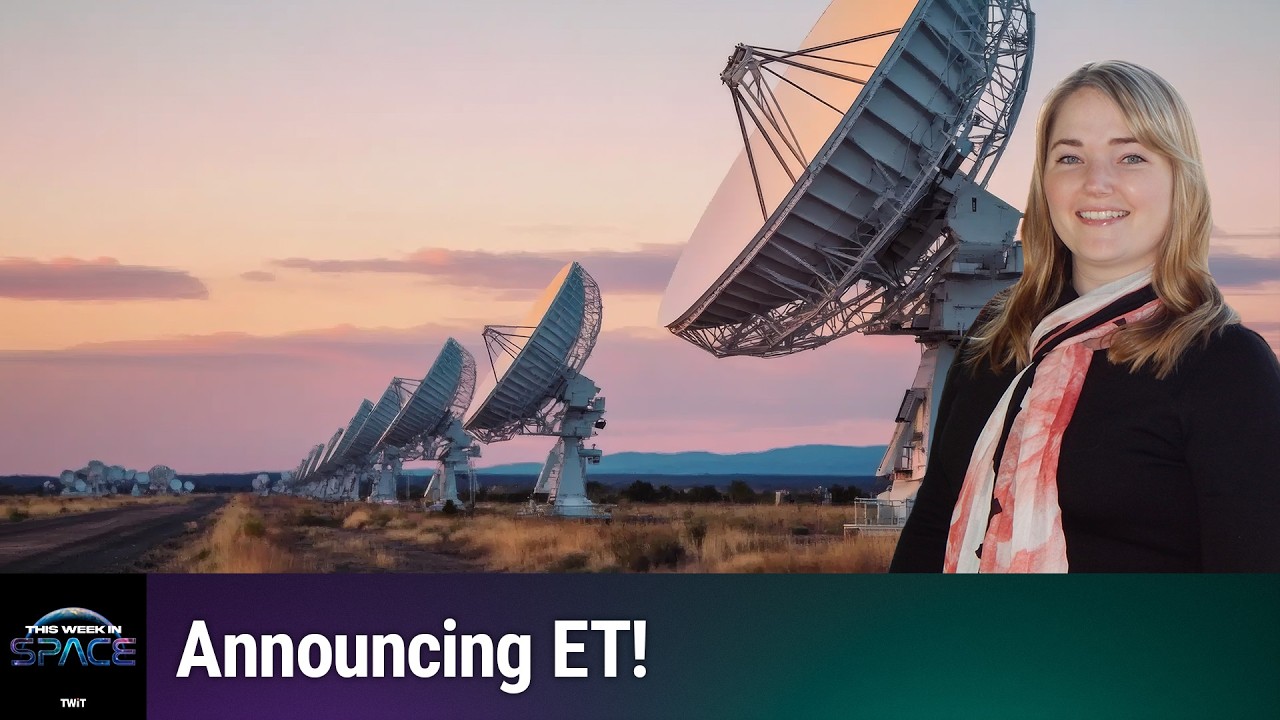
The implications of discovering extraterrestrial life, whether it be a sophisticated civilization or a simple microbial organism, are profound and far-reaching. This complex and often overlooked question was the central focus of Episode 206 of "This Week In Space," a popular podcast featuring hosts Rod Pyle and Tariq Malik. They were joined by Dr. Brianne Suldovsky, a researcher from Portland State University, to delve into the multifaceted challenges and potential societal responses to such a monumental revelation. Dr. Suldovsky’s research has shed light on the critical need to address this scenario, not only from a scientific standpoint but also in the context of public perception and trust in institutions. The discussion explored various facets of this hypothetical event, highlighting that the discovery itself would likely generate as many questions as it answers, underscoring the importance of open and honest scientific communication in an era marked by widespread skepticism.
The Uncharted Territory of First Contact
The prospect of encountering alien life has long been a staple of science fiction, but for scientists and policymakers, it represents a genuine and pressing area of inquiry. Dr. Suldovsky’s work specifically targets the crucial, yet often neglected, question of how humanity would react and adapt upon confirming the existence of extraterrestrial intelligence. This isn’t merely a theoretical exercise; understanding potential societal responses is vital for preparedness and responsible scientific outreach. The podcast episode aimed to bridge the gap between speculative fiction and the practical realities of such a discovery, emphasizing that the nature of the alien life – be it advanced or primitive – would significantly shape the ensuing global reaction.
The challenges are manifold. First and foremost is the question of communication. How would we convey such momentous news to a global population? The episode highlighted a significant hurdle: the prevailing mistrust in large institutions and scientific bodies. In an age where misinformation can spread rapidly, delivering news of alien life responsibly and credibly would require a carefully orchestrated strategy. Dr. Suldovsky’s research suggests that a top-down approach, relying solely on governmental or scientific pronouncements, might be met with skepticism. Instead, a more distributed and transparent communication strategy, potentially involving various channels and trusted intermediaries, could be more effective in fostering understanding and acceptance.
Furthermore, the very definition of "life" could be challenged. Would we recognize it if it differed radically from Earth-based biology? The discovery of even microbial life on Mars or an exoplanet would revolutionize our understanding of biology and the universe’s potential to harbor life. If a technologically advanced civilization were detected, the implications would extend to technology, philosophy, ethics, and even our place in the cosmic hierarchy. The hosts and guest explored these scenarios, prompting listeners to consider the profound philosophical and existential questions that would inevitably arise.
Space News of the Week: Updates and Advancements
While the discovery of alien life remains a hypothetical, the real-world advancements in space exploration and technology continue at a breakneck pace. "This Week In Space" consistently provides a comprehensive overview of these developments, keeping listeners informed about the ongoing "new space age." This includes the renewed push for lunar exploration, with nations and private companies vying to establish a sustained human presence on the Moon. The Artemis program, led by NASA, aims to return humans to the lunar surface by the mid-2020s, a significant undertaking that involves international collaboration and the development of new launch systems and spacecraft.
The ambitions extend beyond the Moon, with Mars remaining a long-term goal for human exploration. The challenges of sending humans to the Red Planet are immense, encompassing issues of propulsion, life support, radiation shielding, and psychological well-being for the astronauts. SpaceX, under the leadership of Elon Musk, has been a prominent player in this arena, with its Starship program aiming to develop a fully reusable super heavy-lift launch vehicle capable of transporting large payloads and crews to Mars. The progress and setbacks encountered by such ambitious projects are routinely discussed on the podcast, offering listeners a grounded perspective on the future of space travel.
A Model Rocket for Aspiring Astronauts
In a lighter, yet equally engaging segment, the episode highlighted a unique opportunity for space enthusiasts: launching their own SpaceX rocket. Model rocket manufacturer Estes has released a stunningly detailed scale model of the Falcon 9 rocket. This launchable model offers a tangible connection to the cutting-edge rockets that are shaping the future of spaceflight. Retailing at $149.99, the model is a testament to the growing accessibility of space-themed hobbies and educational tools. For those looking to acquire this impressive replica, a special offer was mentioned: a 10% discount using the code IN-COLLECTSPACE at checkout, courtesy of partners collectSPACE.com. This initiative not only celebrates the achievements of companies like SpaceX but also encourages a hands-on engagement with rocketry and aerospace engineering, potentially inspiring the next generation of space explorers.
About "This Week In Space"
"This Week In Space" is a weekly podcast dedicated to exploring the dynamic landscape of the new space age. Hosted by Rod Pyle and Tariq Malik, the show airs every Friday afternoon and offers in-depth discussions on a wide range of space-related topics. From the intricacies of lunar and Martian missions to the latest breakthroughs in astronomy and astrophysics, the podcast provides insightful analysis and engaging commentary.
Rod Pyle, a seasoned author, journalist, and television producer, brings a wealth of knowledge and experience to the show. As the Editor-in-Chief of Ad Astra magazine, he has authored numerous books on space history, exploration, and development, including titles such as Space 2.0, Innovation the NASA Way, and Destination Mars. His background in visual effects for iconic science fiction productions like Star Trek and Battlestar Galactica, as well as his work on documentaries for major networks, lends a unique perspective to the discussions.
Tariq Malik, the Editor-in-Chief of Space.com, has been a prominent voice in space journalism for nearly two decades. His extensive coverage of human spaceflight, exploration, and astronomy has earned him recognition as an expert in the field. Malik’s passion for space is deeply rooted, stemming from his experiences as an Eagle Scout and a Space Camp veteran. His journalistic career began at Space.com, where he progressed from intern to managing editor before assuming his current leadership role. His on-air appearances on networks like CNN, Fox News, and NPR further solidify his standing as a trusted commentator on all things space.
Together, Pyle and Malik, along with their guests, tackle complex questions about humanity’s future in space, providing listeners with a comprehensive and engaging look at the ongoing revolution in space exploration. The podcast is available on all major podcatching platforms, encouraging widespread access to their valuable insights.
The Broader Impact and Implications of Alien Life Discovery
The potential discovery of extraterrestrial life, even at a microbial level, would have profound implications for numerous scientific disciplines and societal perspectives. Biologically, it would confirm that life is not unique to Earth, suggesting that the universe is teeming with biological potential. This could lead to a re-evaluation of our understanding of abiogenesis – the process by which life arises from non-living matter – and the conditions necessary for life to emerge. Astrobiologists would have a second data point to analyze, enabling them to develop more robust theories about the origins and evolution of life beyond our planet.
Philosophically and theologically, the confirmation of alien life would challenge many long-held beliefs about humanity’s place in the cosmos. Religions and belief systems would need to grapple with the implications of life existing elsewhere, potentially leading to significant shifts in theological interpretations and societal worldviews. The question of whether extraterrestrial life possesses consciousness or intelligence would further intensify these debates.
From a sociological and political standpoint, the reaction to such a discovery would be highly variable. Initial reactions could range from widespread excitement and curiosity to fear and apprehension. Governments and international organizations would face the unprecedented task of managing global response, ensuring cooperation, and potentially establishing protocols for future interactions. The potential for panic or social unrest would necessitate clear, consistent, and trustworthy communication from scientific and governmental bodies. The episode’s emphasis on the challenge of communicating in an age of mistrust is therefore highly relevant.
Economically, the discovery could spur significant investment in space exploration, research, and potentially new industries related to understanding and interacting with extraterrestrial life. However, it could also lead to economic disruption if the nature of the discovery fundamentally alters our understanding of resources or our place in the global economy.
The very act of searching for extraterrestrial life, through initiatives like SETI (Search for Extraterrestrial Intelligence), has already fostered a sense of global community and shared purpose. The confirmation of alien life would amplify this, potentially uniting humanity in a common endeavor to understand our cosmic neighbors. Conversely, if the discovered life forms were perceived as a threat, it could lead to unprecedented global cooperation for defense.
The implications of meeting aliens, as explored on "This Week In Space," are not just about the aliens themselves, but about what their existence reveals about us. It forces us to confront our assumptions, our biases, and our capacity for wonder, fear, and cooperation. The ongoing scientific exploration of our solar system and beyond, coupled with thoughtful discussions like those presented on the podcast, are crucial steps in preparing humanity for whatever discoveries the future may hold. The development of advanced rocket technology, exemplified by the Estes model Falcon 9, serves as a tangible reminder of our own progress and our increasing reach into the vast unknown. As we continue to push the boundaries of exploration, the question of "are we alone?" becomes less a matter of speculation and more a matter of when we will find the answer.
Related posts: