Kevin Warsh’s Contentious Path to Federal Reserve Chair: A Deep Dive into His Nomination, Policy Stance, and Confirmation Hurdles

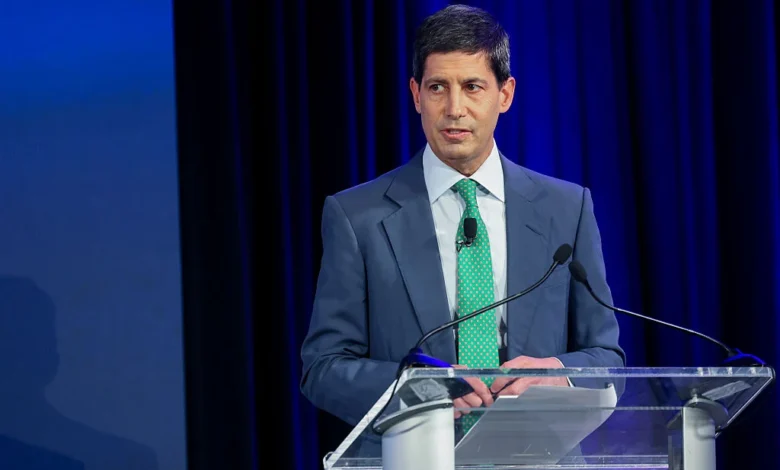
The political and economic landscape of the United States is currently focused on a pivotal decision that could reshape the nation’s monetary policy for years to come. In late January 2026, President Donald Trump officially nominated Kevin Warsh to succeed Jerome Powell as Federal Reserve chair, with Powell’s term slated to conclude in May of the same year. This critical nomination sets the stage for a high-stakes confirmation process, beginning with a rigorous hearing before the Senate Banking Committee scheduled for Tuesday at 10 AM Eastern Standard Time. This initial encounter is widely anticipated to be a challenging one, as Warsh faces scrutiny on several fronts, including the critical issue of Federal Reserve independence and the complexities of his substantial personal financial disclosures.
The Federal Reserve chair holds one of the most influential economic positions globally, responsible for guiding the U.S. central bank’s monetary policy decisions, which profoundly impact inflation, employment, and economic growth both domestically and internationally. The selection of a new chair is always a significant event, but Warsh’s nomination carries particular weight given President Trump’s past public criticisms of the Fed’s policies under current Chair Jerome Powell. The Kiplinger team is committed to providing comprehensive, real-time coverage of Warsh’s journey through the confirmation process, offering expert analysis on the potential implications for the Federal Reserve, the broader economy, and individual financial well-being.
The Significance of the Federal Reserve Chair
The Federal Reserve System, often simply called "the Fed," serves as the central bank of the United States. Established in 1913, its primary responsibilities include conducting the nation’s monetary policy, supervising and regulating banking institutions, maintaining the stability of the financial system, and providing financial services to depository institutions, the U.S. government, and foreign official institutions. The Fed operates under a dual mandate from Congress: to achieve maximum employment and maintain stable prices.
The chair of the Federal Reserve Board of Governors is arguably the most powerful economic official in the U.S., if not the world. This individual is the public face and chief spokesperson for the central bank, guiding the Federal Open Market Committee (FOMC) in its decisions on interest rates and other monetary policy tools. These decisions directly affect borrowing costs for consumers and businesses, the availability of credit, and ultimately, the trajectory of the U.S. and global economies. The independence of the Federal Reserve from political interference is a cornerstone of its effectiveness, allowing it to make decisions based on economic data and long-term stability rather than short-term political cycles. This principle of independence is expected to be a central theme of Warsh’s confirmation hearing.
A Detailed Timeline of the Nomination and Warsh’s Background
The nomination of Kevin Warsh did not come without considerable anticipation and speculation. President Trump had spent months, and indeed years, openly expressing dissatisfaction with his previous appointee, Jerome Powell, particularly regarding the Fed’s interest rate policies. This created an environment where a change in leadership at the Fed was widely expected as Powell’s term approached its end.
- Mid-2025: Kevin Warsh publicly states that "the independent operations in the conduct of monetary policy is essential," while adding that "that doesn’t mean the Fed is independent in everything else it does." This nuanced stance foreshadowed future discussions on the topic.
- Late 2025: President Trump begins a formal review of several candidates for the Fed chair position, with Warsh consistently appearing on shortlists. Speculation intensifies across financial markets and political circles.
- January 30, 2026: President Donald Trump formally announces his nomination of Kevin Warsh to replace Jerome Powell as Fed chair. The announcement is made via Truth Social, where Trump expresses profound confidence in Warsh. "I am pleased to announce that I am nominating Kevin Warsh to be the CHAIRMAN OF THE BOARD OF GOVERNORS OF THE FEDERAL RESERVE SYSTEM," Trump wrote. "I have known Kevin for a long period of time and have no doubt that he will go down as one of the GREAT Fed Chairmen, maybe the best. On top of everything else, he is ‘central casting,’ and he will never let you down." The "central casting" comment, often used by Trump to describe individuals he perceives as ideal for high-profile roles, underscores the President’s personal approval of Warsh’s demeanor and public presence.
- Early April 2026 (Implied): The Senate Banking Committee schedules Warsh’s confirmation hearing for an upcoming Tuesday at 10 AM EST. This marks the formal commencement of the Senate’s advice and consent process.
Who is Kevin Warsh? A Profile of the Nominee
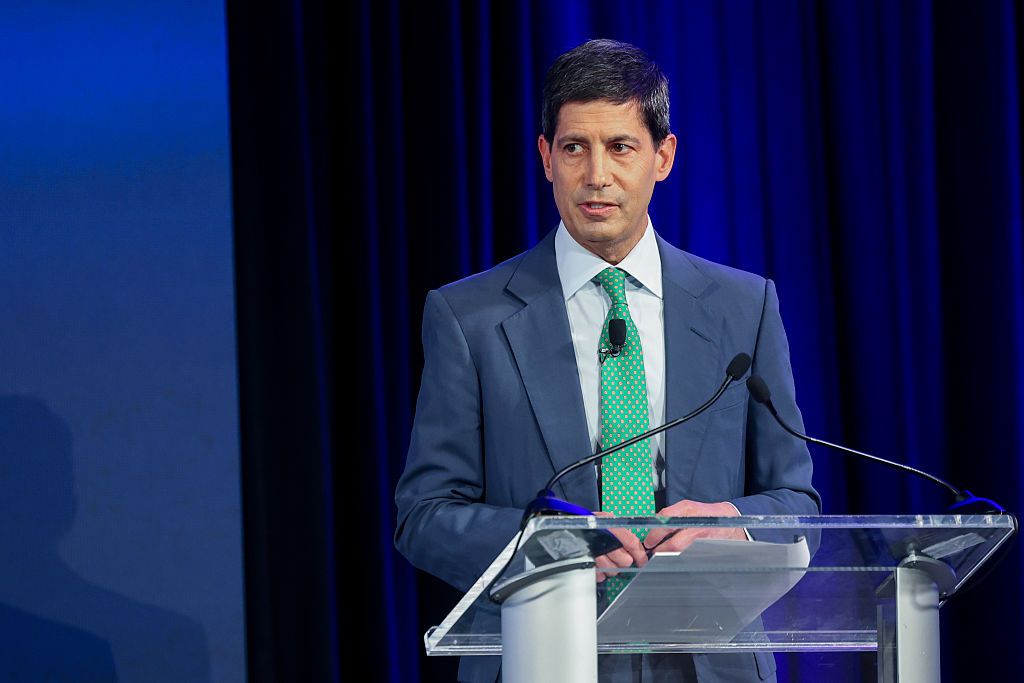
Kevin Warsh brings a formidable resume to the table, with experience spanning Wall Street, the White House, and the Federal Reserve itself.
- Early Career (1995-2002): Warsh began his professional life on Wall Street, working for the venerable investment bank Morgan Stanley. During his seven years there, he gained firsthand experience in financial markets, capital formation, and corporate finance, providing him with a deep understanding of the private sector’s interactions with the broader economy.
- White House Service (2002-2006): Warsh transitioned to public service during the George W. Bush administration. He served as Special Assistant to the President for Economic Policy and Executive Secretary of the White House National Economic Council. In these roles, he was instrumental in shaping economic policy and coordinating economic initiatives across various government agencies. This period provided him with crucial insights into the interplay between fiscal and monetary policy and the executive branch’s economic priorities.
- Federal Reserve Board (2006-2011): This period is perhaps the most defining in Warsh’s career, particularly his tenure during the 2008-2009 global financial crisis. As a member of the Federal Reserve Board of Governors, Warsh was a close confidant and "right-hand man" to then-Fed Chair Ben Bernanke. He served as the primary liaison between the Federal Reserve and Wall Street, a role that earned him significant credibility and a unique perspective on the unfolding crisis and the implementation of extraordinary monetary policy measures. During his time on the Board, Warsh was widely perceived as a "hawk" on monetary policy, consistently advocating for a more restrictive stance to preempt inflation risks, even amidst concerns about economic growth.
- Post-Fed Career (2011-Present): Following his departure from the Fed, Warsh transitioned back to academia and policy advisory roles. He currently serves as a visiting fellow in economics at Stanford University’s Hoover Institution, a prominent conservative think tank known for its research on public policy. He is also a lecturer at the Stanford Graduate School of Business, sharing his extensive experience with future business leaders. Additionally, Warsh is a member of the Panel of Economic Advisers of the Congressional Budget Office, providing expert guidance on fiscal matters to Congress. His continued involvement in these influential institutions underscores his ongoing engagement with economic policy debates.
Key Hurdles: Fed Independence and Financial Disclosures
The Senate Banking Committee’s confirmation hearing is expected to delve deeply into two primary areas of concern for Warsh: the delicate balance of Federal Reserve independence and the extensive nature of his financial holdings.
1. Federal Reserve Independence:
The principle of central bank independence is considered vital for effective monetary policy. It posits that the Fed should be shielded from short-term political pressures, allowing it to make decisions based on sound economic principles rather than electoral cycles or partisan demands. A central bank free from political influence is better positioned to control inflation, foster stable economic growth, and maintain confidence in the financial system.
President Trump’s past rhetoric, which often involved public calls for lower interest rates and criticism of the Fed’s tightening policies, has raised concerns among many about the potential for political interference in monetary policy. Warsh’s nuanced statement from mid-2025—that "the independent operations in the conduct of monetary policy is essential," but "that doesn’t mean the Fed is independent in everything else it does"—will likely be a focal point. Senators are expected to press him on how he interprets this distinction and how he would safeguard the Fed’s autonomy, particularly when faced with potential pressure from the White House. They will likely seek assurances that he would prioritize the Fed’s dual mandate above all else, even if it means making unpopular decisions.
Historically, challenges to Fed independence have emerged from various administrations. For example, President Richard Nixon famously pressured then-Fed Chair Arthur Burns for easier monetary policy during the 1970s, contributing to a period of high inflation. Conversely, Chairs like Paul Volcker and Alan Greenspan were lauded for their steadfast commitment to independence, even in the face of political opposition. Warsh’s ability to demonstrate his unwavering commitment to this principle will be crucial for his confirmation.
2. Financial Disclosures and Ethics:
Another significant hurdle for Warsh is his substantial personal wealth. Recent financial disclosures indicate that he holds roughly $100 million in assets. While wealth itself is not a disqualifier, the sheer volume and complexity of these holdings could trigger significant ethics concerns. Federal ethics regulations require high-level appointees to divest assets that could create real or perceived conflicts of interest. This ensures that public officials make decisions solely in the public’s interest, free from personal financial gain.
For Warsh, divesting $100 million in assets would be a complex and time-consuming undertaking. Senators will likely scrutinize the nature of these assets, the plan for divestment, and the potential for any residual conflicts of interest. The process of selling off such a large and potentially diverse portfolio could distract a newly appointed Fed chair from their primary duties, raising questions about their immediate capacity to focus entirely on monetary policy. The committee will demand a clear and credible strategy to ensure full compliance with ethics regulations, alleviating any concerns about potential undue influence or personal financial benefit from his decisions as Fed chair.
Monetary Policy Stance: A Hawk’s Evolution?
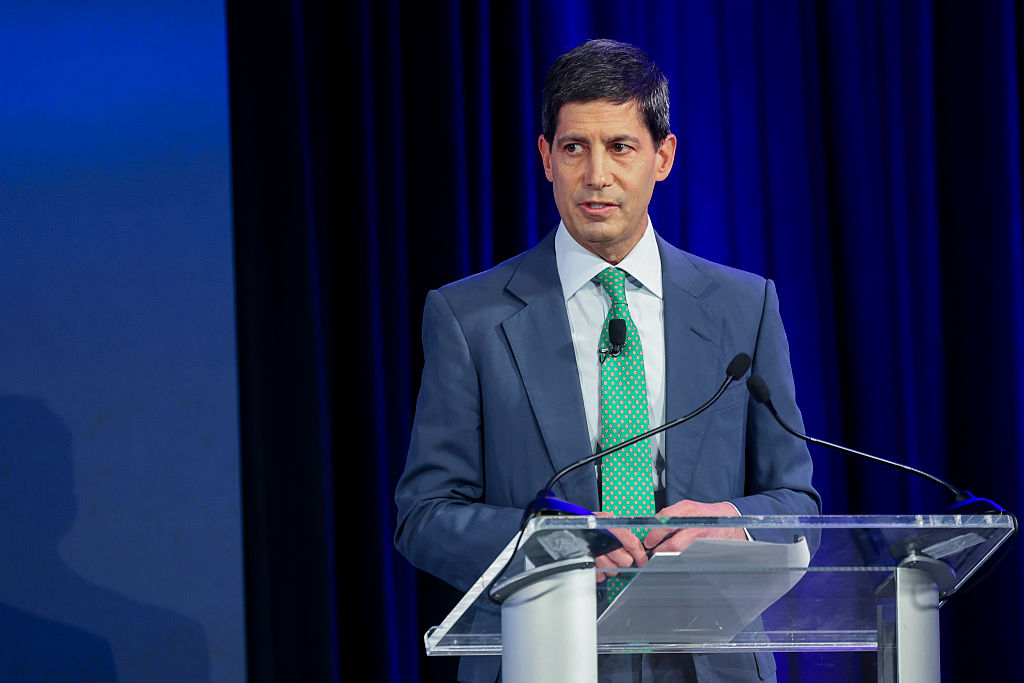
Warsh’s historical reputation as a "hawk" on monetary policy will also be a key area of discussion. A "monetary hawk" generally prioritizes controlling inflation and is more inclined to advocate for higher interest rates to cool down an overheating economy. Conversely, a "monetary dove" tends to prioritize employment and economic growth, often favoring lower interest rates to stimulate activity.
During his tenure on the Federal Reserve Board from 2006 to 2011, Warsh consistently took a hawkish line, even as the U.S. grappled with the severe economic downturn of the financial crisis. This stance was rooted in a belief that unchecked monetary expansion could lead to future inflationary pressures. However, in more recent years, Warsh has notably shifted his public position, advocating for lower interest rates. This apparent evolution in his views will undoubtedly be probed by the Senate Banking Committee.
Senators will likely seek to understand the intellectual basis for this shift. Is it a reflection of changing economic realities, a different theoretical framework, or a strategic alignment with the President’s preference for lower rates? His explanation will be critical for senators to assess his current monetary policy philosophy and how it might translate into action if he were to lead the Fed. A clear understanding of his approach to the dual mandate—balancing price stability with maximum employment—will be paramount.
Broader Implications and Potential Impact
Should Kevin Warsh be confirmed as Federal Reserve chair, the implications for the Fed, the U.S. economy, and global financial markets could be substantial.
- For the Federal Reserve: A Warsh chairmanship could signal a notable shift in the Fed’s internal dynamics and its public communication strategy. While he has affirmed the importance of independence, his relationship with President Trump and his evolving monetary policy views could lead to a different approach to managing the central bank’s relationship with the executive branch. His leadership style, honed through experience at the Fed during a crisis, could bring a distinct operational focus.
- For the U.S. Economy: The direction of interest rates is arguably the most direct impact of a Fed chair’s policy stance. If Warsh were to lean into his more recent advocacy for lower rates, it could provide a boost to certain sectors, such as housing and corporate investment, by making borrowing cheaper. However, if economic conditions were to shift, his historical hawkish tendencies might re-emerge, leading to a more aggressive stance against inflation. The market’s interpretation of his policy signals would heavily influence business investment and consumer spending decisions.
- For Financial Markets: Markets typically crave predictability and clarity from the Federal Reserve. A new chair, especially one with a potentially evolving policy stance, introduces an element of uncertainty. Bond markets, particularly Treasury yields, would be highly sensitive to any indications of future interest rate paths. Stock markets would react to the perceived impact on corporate earnings and economic growth. Investors would closely monitor Warsh’s initial speeches and testimonies for clues about his long-term strategy, potentially leading to periods of increased volatility during the transition.
- Global Context: The U.S. dollar’s role as the world’s primary reserve currency means that the Fed’s policies have far-reaching global consequences. Changes in U.S. interest rates can impact capital flows, exchange rates, and the monetary policies of other central banks around the world. A Warsh-led Fed would be watched closely by international institutions and foreign governments for signs of continuity or divergence from established policy frameworks.
Conclusion
Kevin Warsh’s nomination for Federal Reserve chair represents a pivotal moment for U.S. economic policy. His confirmation hearing before the Senate Banking Committee will be a crucial test, scrutinizing his commitment to the Fed’s independence, his plans for managing his substantial financial assets, and the evolution of his monetary policy philosophy. The outcome of this process will not only determine the leadership of one of the world’s most important economic institutions but also set the course for interest rates, inflation, employment, and financial stability for years to come. As the nation watches, the deliberations will highlight the profound responsibilities inherent in steering the American economy through an ever-complex global landscape.
Related posts: