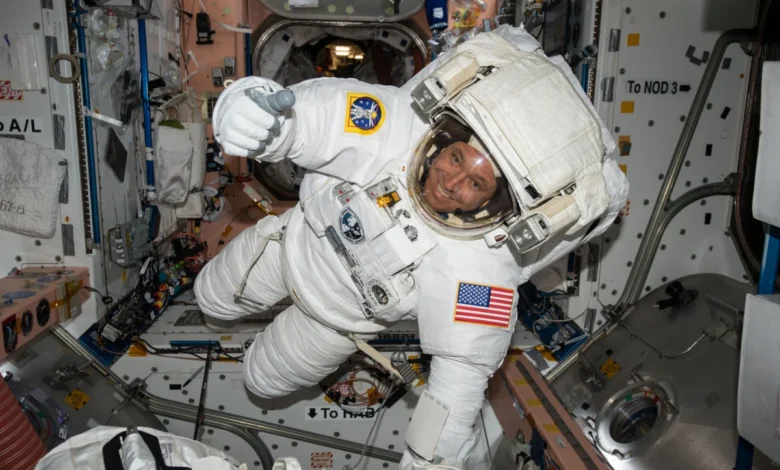
New research reveals that the human brain undergoes significant and prolonged adaptations in its control of grip strength when astronauts transition between Earth’s gravity and the microgravity environment of space. This phenomenon, where astronauts either exert excessive force on objects in space or struggle to apply sufficient force upon their return to Earth, highlights a complex interplay between sensory feedback, motor control, and the brain’s remarkable, yet sometimes delayed, ability to adjust to vastly different physical conditions. The findings carry crucial implications for astronaut safety and the success of long-duration space missions.
The absence of significant gravitational pull, experienced aboard the International Space Station (ISS) or during lunar missions like NASA’s Artemis program, fundamentally alters the way humans interact with their environment. While the allure of weightlessness might suggest a carefree existence, the reality is that even the simplest tasks, such as holding onto an object, present unique challenges. Scientists have long been interested in understanding how the brain adapts to this disorienting yet critical aspect of space travel. A recent study, conducted by researchers from the Université catholique de Louvain and Ikerbasque, the Basque Foundation for Science, has shed new light on these adaptations by examining the precise control of grip force in astronauts.
The Unexpected Grip Paradox
The study’s findings were, as lead author Professor Philippe Lefèvre, a Professor of Biomedical Engineering at the Université catholique de Louvain, described, "totally unexpected." The research team discovered that months after returning to Earth from prolonged stays in space, astronauts continued to exhibit difficulties in modulating their grip force. Their brains, having become accustomed to the vastly different sensory inputs of microgravity, struggled to recalibrate the precise pressure needed to securely hold objects in a gravity-rich environment. This recalibration process, it appears, is not instantaneous, extending for months after re-entry.
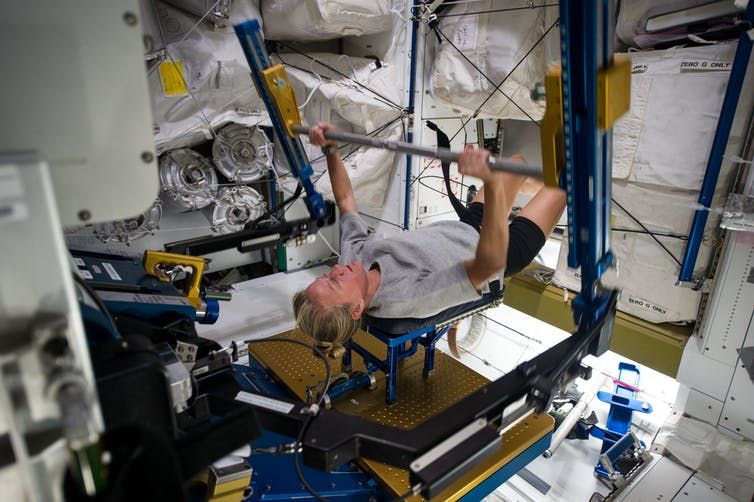
Conversely, while in space, astronauts were observed to exert more force than necessary when gripping objects. This counterintuitive behavior stems from the brain’s persistent expectation of gravity. In the absence of weight, objects feel lighter, and the brain’s established motor programs, honed by years of terrestrial experience, continue to anticipate the need for a certain level of force to counteract a gravitational pull that is no longer present. This leads to an overcompensation, where astronauts grip objects with unnecessary strength.
Professor Lefèvre explained this phenomenon by stating that "essentially, both during a mission in space and after returning to Earth, astronauts ‘misinterpret sensory feedback’." This misinterpretation underscores the profound impact that the gravitational environment has on our proprioception and motor control systems, which are intricately linked to our perception of weight and force.
Chronology of Adaptation: From Launch to Re-entry and Beyond
The journey of an astronaut’s brain adapting to space is a multi-stage process.
- Pre-Flight Training: Astronauts undergo extensive training on Earth to prepare for the demands of spaceflight. This includes simulations of microgravity effects and exercises designed to maintain physical fitness, including bone density and muscle mass, which are known to degrade in the absence of gravity. However, this training primarily focuses on physical countermeasures and does not fully replicate the sensory and motor recalibrations required for sustained microgravity.
- In-Orbit Adaptation: Upon reaching space, astronauts begin to experience the effects of microgravity. Initially, there can be disorientation and a period of adjustment to movement and task execution. The brain starts to adapt its motor control strategies, including grip force, to the altered sensory landscape. As observed in the study, this adaptation can lead to over-exertion of grip force as the brain anticipates gravity.
- Extended Microgravity Exposure: The longer an astronaut spends in space, the more ingrained these adaptations become. The neural pathways governing grip control are continuously influenced by the lack of gravitational feedback, leading to a robust recalibration of motor commands.
- Re-entry and Post-Flight Readjustment: The return to Earth’s gravity presents another significant challenge. The brain must now re-learn how to accurately assess and apply the correct grip force in a familiar yet now gravitationally distinct environment. The study’s findings indicate that this readjustment period is lengthy, with astronauts experiencing difficulties for months after landing. This period is critical for ensuring their safety and operational effectiveness.
The Science Behind the Grip: Inertia vs. Gravity
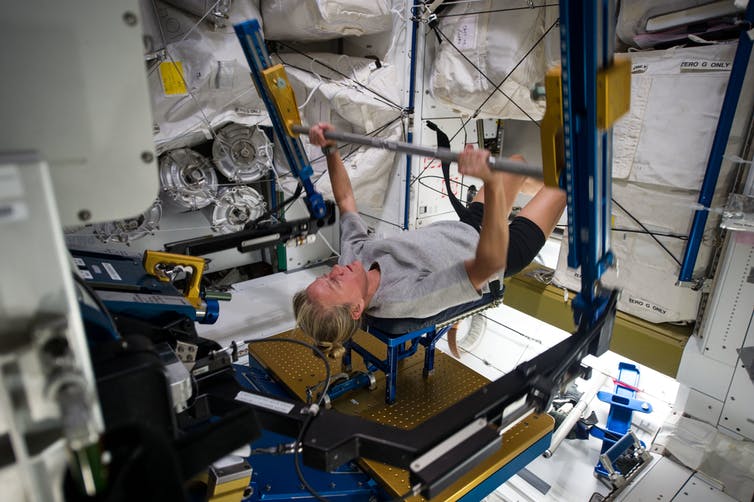
Our understanding of grip force control on Earth is deeply rooted in our constant experience of gravity. When we hold an object, our brain calculates the necessary grip strength by considering both the object’s mass and the force of gravity pulling it down. Releasing an object on Earth results in it falling due to the combined effects of inertia and gravity.
In microgravity, however, the dominant factor affecting an object’s movement is inertia alone. If an astronaut lets go of an object, it will not fall but will continue to move in the direction and at the velocity it was imparted. This fundamental difference in physics means that the sensory cues the brain relies on for grip control are drastically altered. While astronauts intellectually understand these principles, the neural processing of these cues takes time to adapt. The study’s methodology involved analyzing the grip force and movement patterns of 11 European Space Agency astronauts. These astronauts performed repetitive gripping and manipulation tasks both on Earth and in orbit, allowing researchers to meticulously compare their motor control strategies across different gravitational conditions.
Supporting Data and Broader Implications for Space Exploration
The findings of this study are not merely an interesting scientific observation; they have direct and significant implications for the future of space exploration.
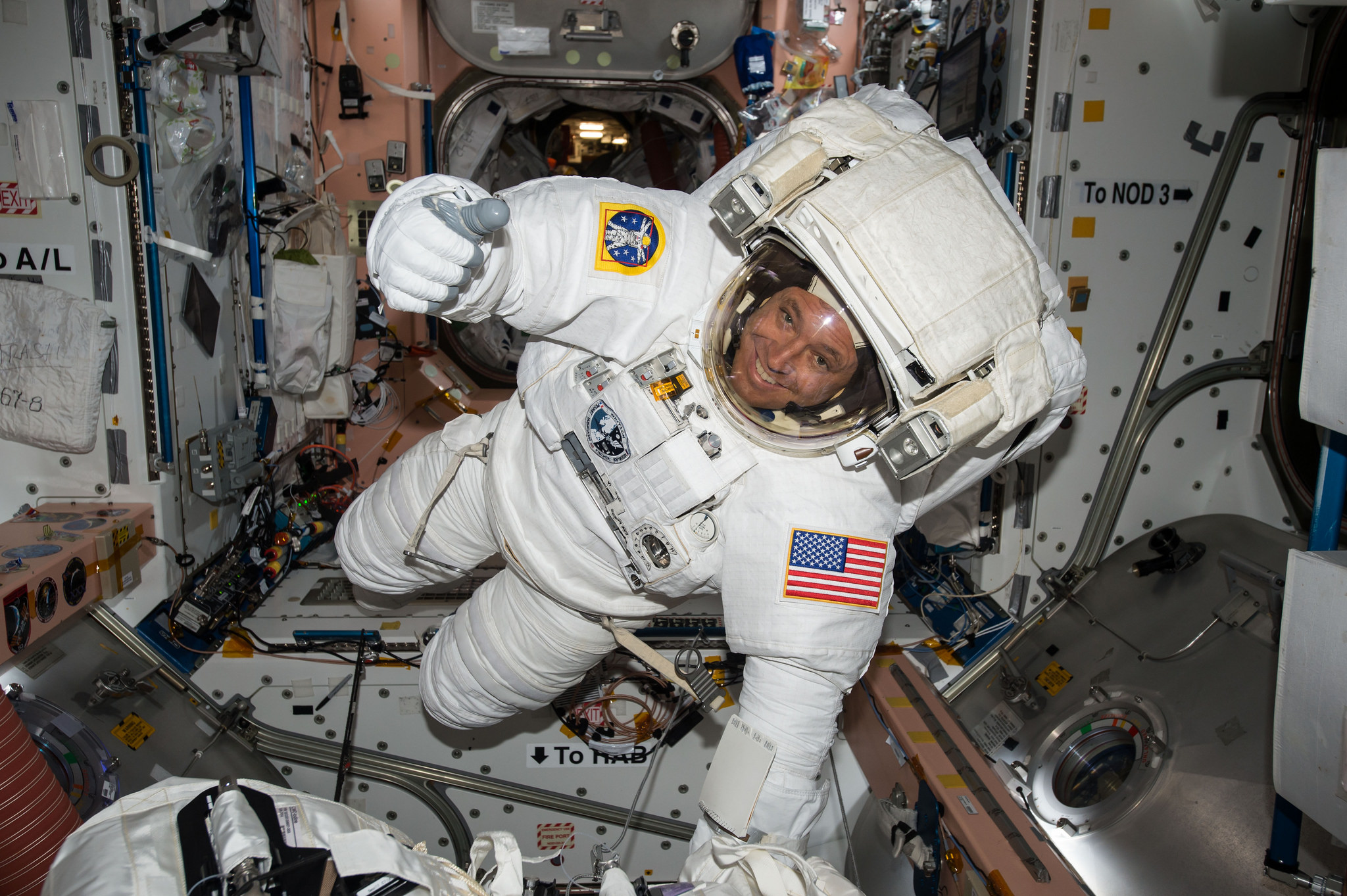
- Operational Safety: Precise grip control is paramount for a wide range of astronaut activities. During spacewalks, or Extravehicular Activities (EVAs), astronauts handle tools, tether themselves, and manipulate equipment. A compromised grip could lead to dropped tools, which in microgravity can become hazardous projectiles. Similarly, during intricate repair tasks or scientific experiments, a misjudged grip could result in damage to sensitive equipment or the loss of critical samples.
- Robotics and Automation: Astronauts often work with robotic arms like the Canadarm2 on the ISS. The dexterity and precision required to operate these systems are influenced by an astronaut’s ability to accurately gauge forces. Understanding how microgravity affects grip control can inform the development of more intuitive and responsive robotic interfaces for astronauts.
- Human Health and Performance: The study highlights a potential vulnerability during the post-flight period. Even routine activities on Earth could be challenging if grip strength is not adequately recalibrated. This could impact an astronaut’s ability to perform daily tasks, recover from their mission, and reintegrate into terrestrial life.
- Long-Duration Missions: As humanity aims for longer missions to the Moon, Mars, and beyond, the duration of exposure to microgravity will increase. This extended exposure could lead to more profound and potentially longer-lasting adaptations in grip control, necessitating robust countermeasures and rehabilitation protocols.
- Space Medicine and Rehabilitation: The insights gained from this research can inform the design of specialized rehabilitation programs for returning astronauts. These programs could focus on sensory-motor retraining to accelerate the recalibration of grip force and improve overall motor function post-flight.
Professor Lefèvre emphasized the potential severity of grip-related incidents: "Even if the risk of slippage is low, the consequence of slippage would be really dramatic," he stated. "If you move at high speed [with] a big object onboard the ISS, and you lose the grip, the object will keep going. It’s gonna hit something, and it could be dramatic in terms of safety." This underscores the critical need for a thorough understanding and mitigation of these grip control challenges.
Official Responses and Future Research Directions
While specific official responses from space agencies to this particular study were not detailed in the original report, the findings align with ongoing efforts within organizations like NASA and the European Space Agency (ESA) to comprehensively understand and mitigate the physiological and neurological effects of spaceflight. Research into bone density loss, muscle atrophy, cardiovascular deconditioning, and cognitive changes are all part of a broader initiative to ensure astronaut health and performance.
This study adds a crucial dimension to that understanding by focusing on the subtle yet significant recalibration of sensorimotor systems. Future research will likely build upon these findings by:
- Investigating individual variability: Understanding why some astronauts might adapt or readjust more quickly than others.
- Developing countermeasures: Exploring potential interventions, such as specific exercise regimens or sensory stimulation techniques, that could accelerate grip recalibration.
- Longitudinal studies: Tracking grip control adaptations over even longer durations in space and across multiple missions.
- Exploring other sensorimotor adaptations: Extending this line of inquiry to other aspects of motor control and sensory perception that might be affected by microgravity.
The publication of these findings in the Journal of Neuroscience on April 20 signifies a key advancement in our comprehension of human adaptation to extraterrestrial environments. The research serves as a stark reminder that even seemingly minor physiological adjustments, like the way we grip an object, can reveal profound insights into the brain’s remarkable plasticity and the challenges inherent in venturing beyond our home planet. As space exploration continues to push boundaries, ensuring that astronauts can safely and effectively interact with their surroundings, both in orbit and upon their return, remains a critical priority. The simple act of maintaining a firm grip, it turns out, is a complex dance between our evolved brains and the unyielding laws of physics, a dance that must be meticulously relearned in the absence and then presence of gravity.