Venice Critics’ Week Lineup: Shalini Adnani’s Family Drama ‘Our Share of Sand,’ AI-Assisted Colombian Doc ‘The End of Times’ and More

The 2023 Venice Film Festival, scheduled to run from September 2nd to September 12th, is one of the world’s oldest and most influential film festivals, often setting the tone for awards season and global cinematic trends. The Critics’ Week, a parallel section of the festival, operates with its own jury and programming, focusing exclusively on debut features. This year, the section boasts a diverse and compelling lineup, reflecting a global tapestry of storytelling and a keen eye for contemporary cinematic concerns.
A Global Showcase of Debut Cinema
Venice Critics’ Week has curated a selection of seven films for its competition, all of which are world premieres, underscoring their significance as groundbreaking works from first-time directors. The lineup is a testament to the vibrant and independent spirit of contemporary cinema, with stories emerging from various cultural and geographical landscapes.
From Colombia, two compelling entries are vying for attention. "The End of Times," a distinctive fiction-documentary hybrid, is a politically charged work co-directed by Bibiana Rojas Gómez and Juan David Cárdenas. This ambitious film leverages artificial intelligence to explore the complex historical legacies of colonialism and capitalism within Colombia. Its innovative approach signals a new wave of filmmaking that interrogates societal structures through cutting-edge technology. Complementing this is "Meteorite," a drama by Sebastián Múnera, which tackles a provocative subject: plans to construct an amusement park on the former estate of notorious drug lord Pablo Escobar. This narrative promises to delve into themes of memory, redemption, and the commodification of dark history.
Italy, a perennial powerhouse in the cinematic world, also features prominently. "Before the War," directed by Paris-based Tommaso Usberti, is a competition entry that centers on Guido, a young man raised within a Northern Italian environment marked by racism. His life takes a significant turn when he falls in love with Sonia, a Kosovar immigrant, setting the stage for a story that navigates prejudice, cultural divides, and the transformative power of human connection. The film’s inclusion in the competition highlights its potential to spark important conversations about societal integration and empathy.
The section’s out-of-competition offerings also promise significant cinematic experiences. The existential noir film "Giaffa the Great," directed by Marco Santi, will serve as the opening film. Its genre and thematic exploration suggest a moodier, more introspective start to the Critics’ Week program. Following this, the closing film will be the Italian rap musical "Rider," co-directed by Roan Johnson and local music producer Dade (Davide Pavanello). The synopsis of "Rider" follows a young food delivery driver who receives an unusual invitation to stay the evening after delivering a large sushi order to a luxurious villa. This juxtaposition of a mundane profession with an unexpected encounter hints at a narrative that might explore class, opportunity, and the serendipity of life.
Diverse Narratives and Urgent Themes
Beyond these highlights, the competition roster is further enriched by a diverse range of narratives. Tunisian director Kamel Laaridhi presents "The H@llow Man," a dystopian drama set in 2059 Tunisia. In this future society, a biochip dictates memory and suppresses emotion, raising profound questions about individuality, control, and the human condition in an increasingly technologically integrated world. This entry taps into a popular genre that allows for allegorical explorations of contemporary societal anxieties.
From China, Dong Jie’s drama "Zoom In, Zoom Out" follows a young video game designer on a quest to find his missing roommate, Gao. The search is guided by a cryptic clue hidden within an online game, suggesting a narrative that blends mystery, technology, and the complexities of interpersonal relationships in the digital age. This film’s premise is particularly resonant in an era where virtual worlds and real-life connections often blur.
Rounding out the competition is "London," a Brazilian drama by Victor Di Marco and Márcio Picoli. The film tackles the profound dilemma faced by a disabled young adult, promising a sensitive and insightful portrayal of challenges, resilience, and the pursuit of personal agency. The choice of title, "London," for a film originating from Brazil, may suggest broader themes of aspiration, displacement, or the search for identity in a globalized context.
A Statement of Cinematic Vitality
Beatrice Fiorentino, General Delegate of Venice Critics’ Week, articulated the significance of this year’s selection in a statement. "Whilst the industry at large is grappling with its crises, these works are proof that cinema never stopped asserting its own cruciality," she remarked. Fiorentino further emphasized the character of the selected films, describing them as "fierce and independent, daring and vibrant, resolute in their reminder that our collective imagination can, and indeed must, continue to be rewritten." Her words underscore a sentiment of optimism and resilience within the independent film community, suggesting that despite economic uncertainties, filmmakers are continuing to push boundaries and offer vital perspectives.
The emphasis on "fierce and independent" filmmaking resonates with the historical role of Critics’ Week as a springboard for innovative and often challenging cinema. The selection this year, with its blend of technological exploration, social commentary, and deeply personal stories, appears to uphold this tradition. The films are not shying away from complex issues, from the legacies of colonialism to the personal struggles of marginalized individuals, indicating a desire to engage with the world’s most pressing concerns through the art of filmmaking.
The Lion of the Future and the Broader Festival Context
All films competing in Venice Critics’ Week are automatically eligible for the festival’s prestigious Lion of the Future award, also known as the Luigi De Laurentiis Award for a Debut Film. This award, carrying a substantial prize of $100,000, is a significant boost for emerging filmmakers, providing crucial financial support and international recognition. The competition for this award pits the Critics’ Week selections against debut films from the festival’s official selection, further amplifying the stakes and the opportunity for these first-time directors to gain widespread acclaim. The inclusion of Critics’ Week titles in this major award underscores the festival’s integrated approach to celebrating new talent across all its sections.
The 83rd edition of the Venice Film Festival promises a comprehensive cinematic experience, with the official selection lineup set to be announced on Thursday. The Critics’ Week program, as revealed, offers a compelling preview of the festival’s commitment to showcasing the next generation of cinematic storytellers. The diverse origins of the films – spanning South America, Europe, Africa, and Asia – highlight the truly global nature of contemporary filmmaking and the universal themes that connect audiences across different cultures.
The official list of films competing in Venice Critics’ Week is as follows:
Competition:
- "The End of Times," directed by Bibiana Rojas Gómez and Juan David Cárdenas (Colombia)
- "The H@llow Man," directed by Kamel Laaridhi (Tunisia)
- "London," directed by Victor Di Marco and Márcio Picoli (Brazil)
- "Meteorite," directed by Sebastián Múnera (Colombia)
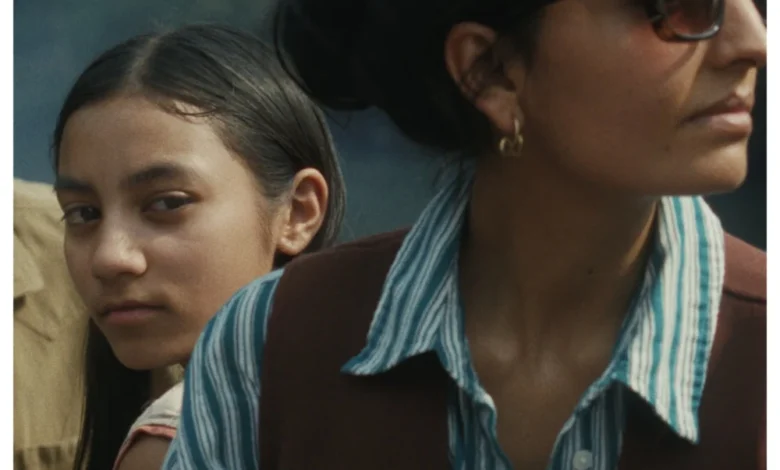
- "Our Share of Sand," directed by Shalini Adnani (India, United Kingdom, Greece)
- "Prima Della Guerra" (Before the War), directed by Tommaso Usberti (France, Italy)
- "Zoom In, Zoom Out," directed by Dong Jie (China)
Out of Competition:
- "Il Grande Giaffa" (Giaffa the Great), directed by Marco Santi (Italy) – Opening Film
- "Rider," directed by Roan Johnson and Davide Pavanello (Italy) – Closing Film
The breadth of this selection, from technologically infused dystopias to intimate personal dramas and politically charged narratives, signals a dynamic and thought-provoking edition of the Venice Film Festival. The Critics’ Week, in particular, serves as a vital barometer for the future of cinema, identifying the directors and stories that will shape the landscape in the years to come. The presence of established cinematic nations alongside emerging film industries underscores the evolving global film scene and the increasing accessibility of filmmaking tools and platforms. This year’s lineup at Venice Critics’ Week is poised to be a significant event for industry professionals, critics, and cinephiles alike, offering a glimpse into the future of international cinema. The festival’s continued dedication to first-time filmmakers ensures a constant infusion of fresh perspectives and innovative storytelling, reinforcing its status as a crucial launchpad for global cinematic talent.