The Manhattan office market, once feared to be on the precipice of a structural collapse, has defied the pessimistic projections of the early 2020s. As of September 2026, New York City is experiencing a robust resurgence in commercial real estate activity, characterized by a rapid absorption of space and a notable escalation in rental rates. This shift represents a dramatic departure from the post-pandemic landscape, where record-high vacancy rates and massive debt loads threatened the viability of some of the city’s most iconic skyscrapers.
A Chronology of the Rebound
The trajectory of the Manhattan office market has been defined by three distinct phases since the onset of the global health crisis. In 2021, the market was defined by "disposal"—a period marked by tenant exodus, widespread subleasing, and a vacancy rate that climbed as high as 22 percent. During this window, approximately 52 million square feet of office space sat vacant, creating a sense of existential dread for property owners and city planners alike.
By 2024, the market began to show signs of stabilization. Large-scale employers began to finalize their long-term hybrid work policies, realizing that space requirements remained relatively static regardless of daily attendance mandates. This clarity provided the necessary foundation for companies to commit to long-term leases once again. By the start of 2026, this momentum accelerated into what many analysts are calling the most significant leasing surge since the turn of the millennium.
Data from Colliers indicates that nearly 30 million square feet of office space has been leased in Manhattan since January 2026. This puts the city on pace to exceed 40 million square feet of activity by year-end, potentially outpacing pre-pandemic annual averages of 34 million square feet.
The Catalyst: The AI Expansion and Tech Resurgence
While the recovery is broad-based, the artificial intelligence (AI) sector has emerged as the primary engine driving high-end demand. Companies like Anthropic, which recently secured an entire 16-floor building at 330 Hudson Street, are emblematic of a new wave of "space-hungry" tech tenants. Unlike the lean tech firms of the past, contemporary AI companies are aggressively scaling their headcount and, by extension, their physical footprint.
This demand is not merely speculative. CBRE reports that tech companies have accounted for 2.8 million square feet of leasing activity in 2026 alone. The clustering effect is particularly evident in neighborhoods like Hudson Square, Flatiron, and the traditional tech hubs of Midtown South, where large, contiguous blocks of space have become increasingly difficult to secure.
Beyond Tech: Law and Finance
Despite the high-profile headlines generated by AI startups, established industries have provided the bedrock for this recovery. Financial services and major law firms have been instrumental in stabilizing the market, often opting for "flight-to-quality" strategies.
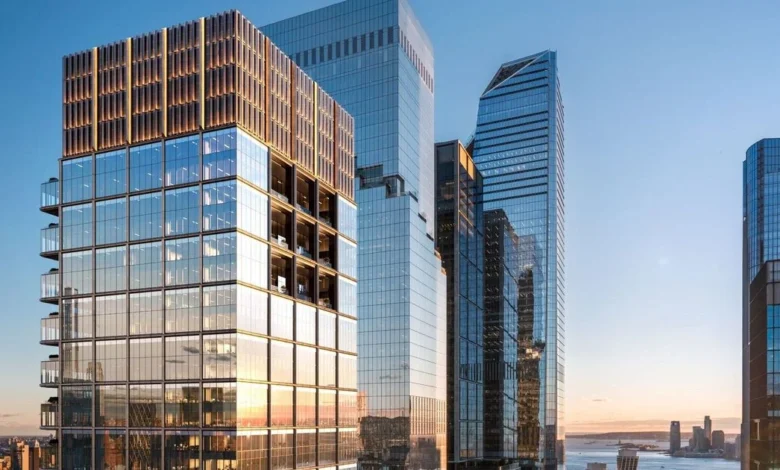
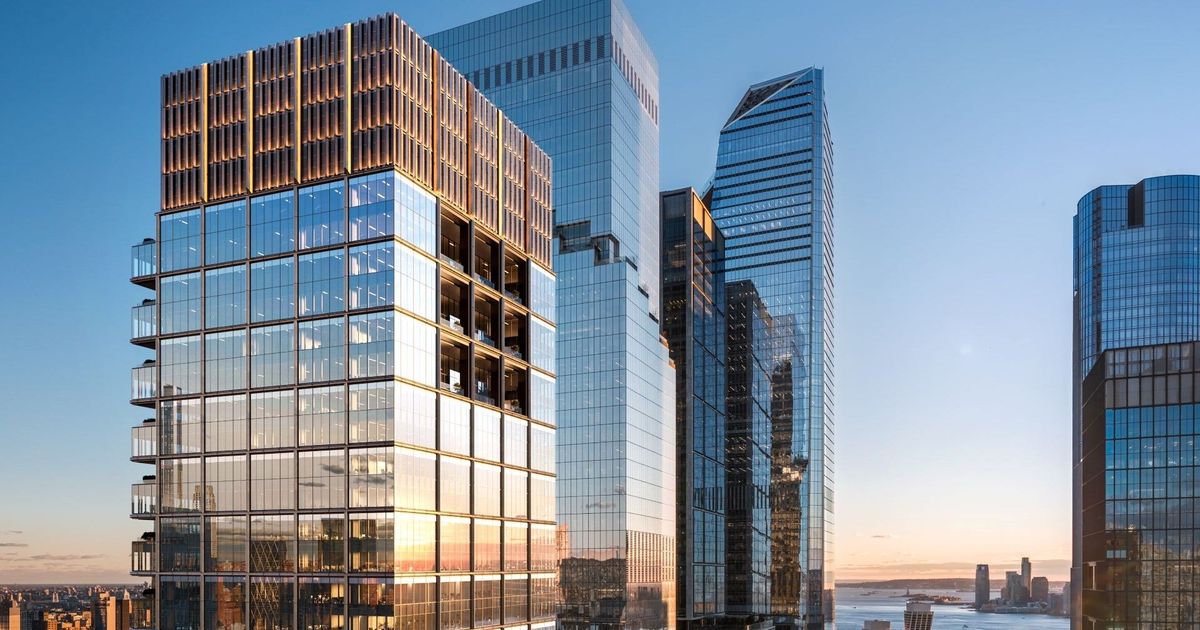
Prominent examples of this institutional commitment include the massive lease signed by Simpson, Thacher & Bartlett for 916,000 square feet at 570 Fifth Avenue, and the continued progress on major capital projects like 2 World Trade Center and the redevelopment of 270 Park Avenue. These long-term, high-value commitments suggest that major corporations view Manhattan not as a legacy outpost, but as a critical hub for global operations.
Supply Constraints and the Conversion Factor
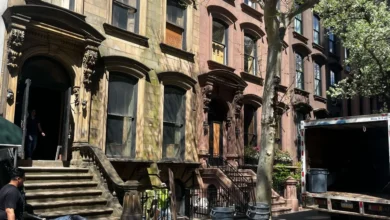
A significant factor contributing to the current market tightening is the aggressive conversion of older, less desirable office space into residential units. According to research from Colliers, approximately 25 million square feet of office space is currently in the process of being converted or is slated for conversion across the city.
This reduction in total inventory has artificially lowered vacancy rates in districts that were previously considered "blighted," such as parts of the Financial District and Third Avenue. By removing obsolete office stock from the market, property owners have been able to exert upward pressure on rents for the remaining high-quality space. Brokers are now reporting bidding wars for prime commercial real estate, a phenomenon that was virtually unheard of just 36 months ago.
Market Implications: The End of the Bargain Era
The scarcity of prime office space has led to a dramatic recalibration of rental expectations. In corridors such as Park Avenue and the World Trade Center, vacancy rates have dipped below 10 percent, with some buildings in the most desirable areas commanding asking rents as high as $250 per square foot.
Tenants who previously enjoyed bargain-rate sublets—some paying as little as $28 per square foot in 2023—are now finding that renewals often come with rent increases of 100 percent or more. This reality has forced many smaller firms to relocate to secondary buildings or shift further east, away from the central business corridors.
Professional Perspectives
Kirill Azovtsev, a vice-chairman at Savills, describes the current environment as "red hot," noting that large, high-quality blocks of space in key districts have effectively evaporated. Similarly, Michael T. Cohen, principal at Williams Equities and tristate president of Colliers, emphasizes that the recovery is systemic rather than sectoral. "It was a recovery led by other industries, especially financial services and law, by the time tech and AI joined the fray," Cohen notes.
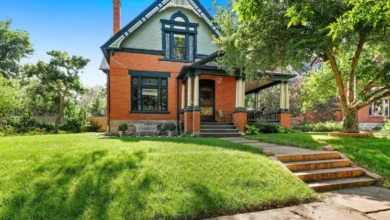
While the "flashy" nature of AI leasing grabs headlines, the reality on the ground is one of sustained demand across diverse professional sectors. Even for smaller, non-venture-backed businesses, the "bargain" office market is fading. Brokers report that even older, pre-war buildings—provided they have been modernized with amenities like rooftop terraces or improved lobbies—are seeing multiple bidders for individual units.
Conclusion and Outlook
The 2026 Manhattan office market is a study in rapid transformation. The anxiety that defined the 2021-2023 period has been replaced by a supply-constrained environment where landlords have regained significant leverage.
The primary implication of this shift is the formalization of the "new normal." Companies have largely reconciled their operational needs with the reality of hybrid work, and the result is a consolidated demand for high-quality, amenity-rich environments. As the city continues to lose older office inventory to residential conversion, the remaining stock of premium office space will likely continue to command record-setting rents, reinforcing Manhattan’s position as the global center for high-value professional services and emerging technology.
For the short term, tenants should expect a competitive landscape where speed and capital strength remain the primary determinants of securing space. The era of the "office-market-in-crisis" has ended; it has been supplanted by a robust, high-demand market that is proving to be as resilient as the city itself.