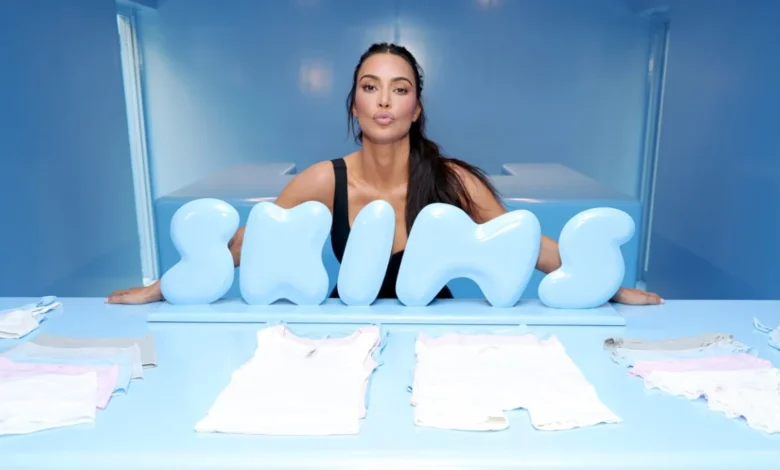
When Kim Kardashian’s shapewear and lifestyle empire, Skims, dropped its holiday collection in late October, the luxury loungewear brand anticipated a massive surge in seasonal consumer spending. Among the heavily promoted items was a $148 advent calendar, marketed as an exclusive holiday treat for dedicated fans. However, what was intended to be a festive countdown quickly devolved into a public relations crisis driven by viral video unboxings on TikTok. Within days of reaching consumers, the product drew widespread ridicule, comparisons to cheap novelty items, and accusations of poor value for money—ultimately forcing the brand to issue a swift and comprehensive refund offer.
The controversy highlights the shifting dynamics of retail marketing in the age of short-form video, where opaque product descriptions can be instantly dismantled by real-time consumer reviews. For Skims, a brand widely praised for its savvy digital marketing and cultural dominance, the advent calendar incident serves as a cautionary tale about the perils of disconnect between high-end price tags and low-cost novelty items in the luxury influencer ecosystem.
The Anatomy of a Viral Backlash
The escalation from luxury holiday offering to internet laughingstock unfolded in a matter of days. On November 6, TikTok creator @wetsloppyswollen posted a video documenting her experience opening the eighth day of the Skims advent calendar. By that point in the 12-day countdown, she had already unboxed a teddy bear keychain, standard hair ties, satin scrunchies, and a small foam toy emblazoned with the Skims logo. Day eight revealed a pack of bobby pins—an underwhelming surprise, compounded by the fact that day four had also featured bobby pins.

The video struck a nerve, accumulating 65 million views in just three days. It opened the floodgates for other shoppers and beauty creators to share their own unboxing experiences. Creator Kayla Ryan voiced her disappointment to her 1.6 million followers, while countless others posted satirical comparisons, measuring the calendar’s contents against items found beneath couch cushions or at discount retailers like Shein and H&M. Online commentators quickly adopted the moniker "Skams" to describe the product, generating memes and reaction videos that dominated lifestyle feeds across TikTok and X (formerly Twitter).
A Timeline of the Holiday Release and Fallout
Understanding how the product reached this point requires examining the timeline leading up to the backlash:
- October 29: Skims officially releases its Holiday Shop, introducing the $148 advent calendar. Buried within the "Fit & Fabric" section of the product listing, detailed disclosures outline the exact contents: seven hair accessories (including scrunchies, bobby pins, and bra-elastic headbands), four keychains (featuring a comb and a fuzzy compact mirror), and one branded foam toy.
- Early November: Orders begin arriving at consumers’ doorsteps. While initial buyers expect a curated selection of lifestyle or apparel accessories commensurate with the brand’s premium pricing, they instead discover items typically associated with low-cost promotional freebies.
- November 6: The viral TikTok video by @wetsloppyswollen goes live, triggering widespread public scrutiny and critical commentary across social media platforms.
- November 8: Consumer dissatisfaction hits a critical mass, with thousands of users posting comparative reviews and criticizing the brand’s pricing structure.
- November 9: Skims responds publicly, acknowledging that the product failed to meet expectations and initiating a company-wide refund and credit initiative for all purchasers.
Disclosure Versus Consumer Perception
A central debate in the aftermath of the viral backlash centers on transparency. Defenders of the brand pointed out that the contents of the calendar were not technically a secret. When the product was initially listed online, the exact breakdown of the 12 items was accessible to anyone willing to read the fine print under the product specifications tab. Industry defenders, such as beauty creator Glamzilla and various online commentators, argued that the box was explicitly marketed as an accessories advent calendar intended for die-hard brand loyalists who would appreciate branded memorabilia regardless of utility.
Nevertheless, public relations and retail analysts note that disclosure does not automatically equal consumer satisfaction. In modern e-commerce, the physical presentation and perceived value of a $148 luxury-branded item carry immense psychological weight. When consumers spend nearly $150 on an advent calendar from a globally recognized fashion house, expectations lean toward items of substantive utility or aesthetic exclusivity. Receiving standard bobby pins and foam keychains created a stark cognitive dissonance between the price paid and the items received, rendering technical compliance with product descriptions irrelevant in the court of public opinion.

Corporate Response and Damage Control
Faced with mounting negative publicity and the potential for long-term brand erosion, Skims acted with notable speed. By November 8, the company had formulated a remediation strategy. On November 9, a Skims representative addressed the situation publicly, stating to entertainment and media outlets, "We understand that the calendar didn’t meet expectations."
The company confirmed that it had proactively contacted every customer who purchased the advent calendar. Shoppers were given two viable options: return the item for a full, unconditional refund or retain the product while receiving equivalent store credit. Despite the controversy and the subsequent removal of the original product URL—which now redirects to the brand’s general accessories page—reports indicated that the calendar had sold out prior to the fallout, underscoring the formidable baseline demand that Kim Kardashian’s brand commands.
Broader Implications for Luxury Brands and Influencer Commerce
The Skims advent calendar controversy offers vital lessons for the retail and beauty sectors as they navigate an increasingly transparent digital marketplace.
First, it demonstrates the vulnerability of high-end brands in an ecosystem powered by user-generated content. Traditional marketing channels, which rely on curated imagery and controlled brand messaging, can no longer shield a product from the unvarnished realities of consumer unboxing videos. When a product underdelivers, everyday shoppers now possess the digital distribution tools to broadcast their disappointment to millions globally within hours.

Second, the incident highlights changing consumer tolerances regarding luxury markup. While fans are often willing to pay a premium for brand equity, design, and quality materials, stretching that goodwill toward low-cost novelty items risks alienating even loyal customer bases. As brands prepare for future holiday seasons, the Skims fallout serves as a reminder that premium pricing requires commensurate perceived value—otherwise, the digital celebration intended to drive sales can quickly transform into an expensive lesson in public relations management.
Related posts: