Starlog magazine returns to print as an annual publication to celebrate its 50th anniversary

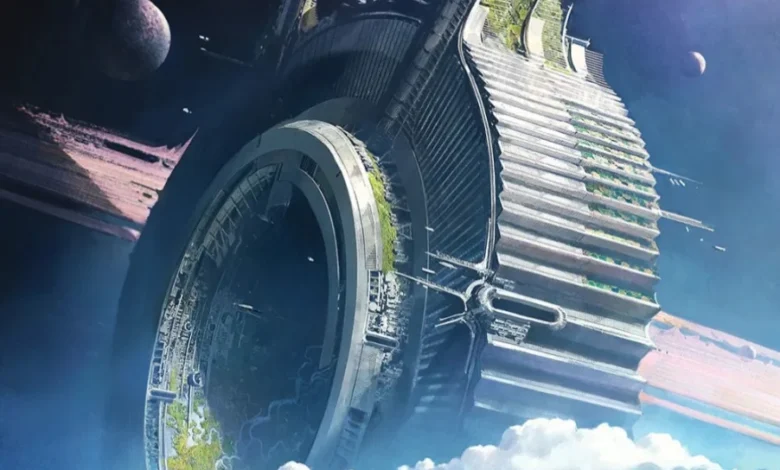
The landscape of pop culture journalism is undergoing a significant nostalgic resurgence as Starlog, the seminal science fiction and fantasy magazine, officially returns to print. After a hiatus spanning nearly two decades—a period marked by the rapid digital transformation of media—the publication has announced its revival as an annual edition. The first new installment, numbered 375 to maintain continuity with its historical run, is scheduled for release on November 13, 2026. This relaunch, spearheaded by Fangoria Holdings under the editorial guidance of io9 co-founder Annalee Newitz, marks a pivotal moment for collectors and enthusiasts of genre media.
The Historical Significance of Starlog
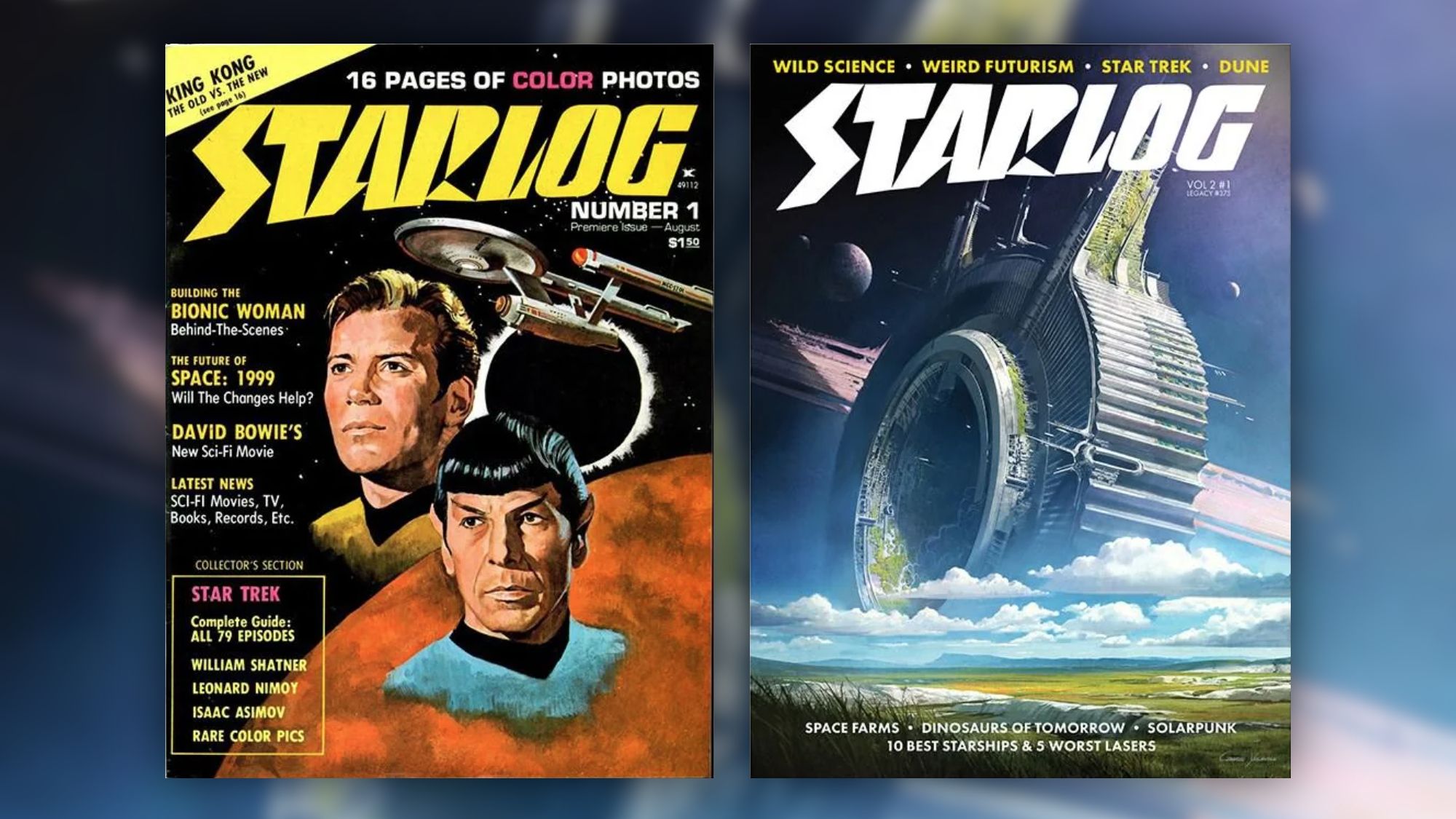
To understand the weight of this revival, one must look back at the magazine’s inception. Starlog first hit newsstands in 1976, an era defined by a burgeoning obsession with space exploration and speculative fiction. Launched under the stewardship of editor-in-chief Terry O’Quinn, the magazine arrived shortly before the seismic cultural shift triggered by the release of George Lucas’s Star Wars in 1977.
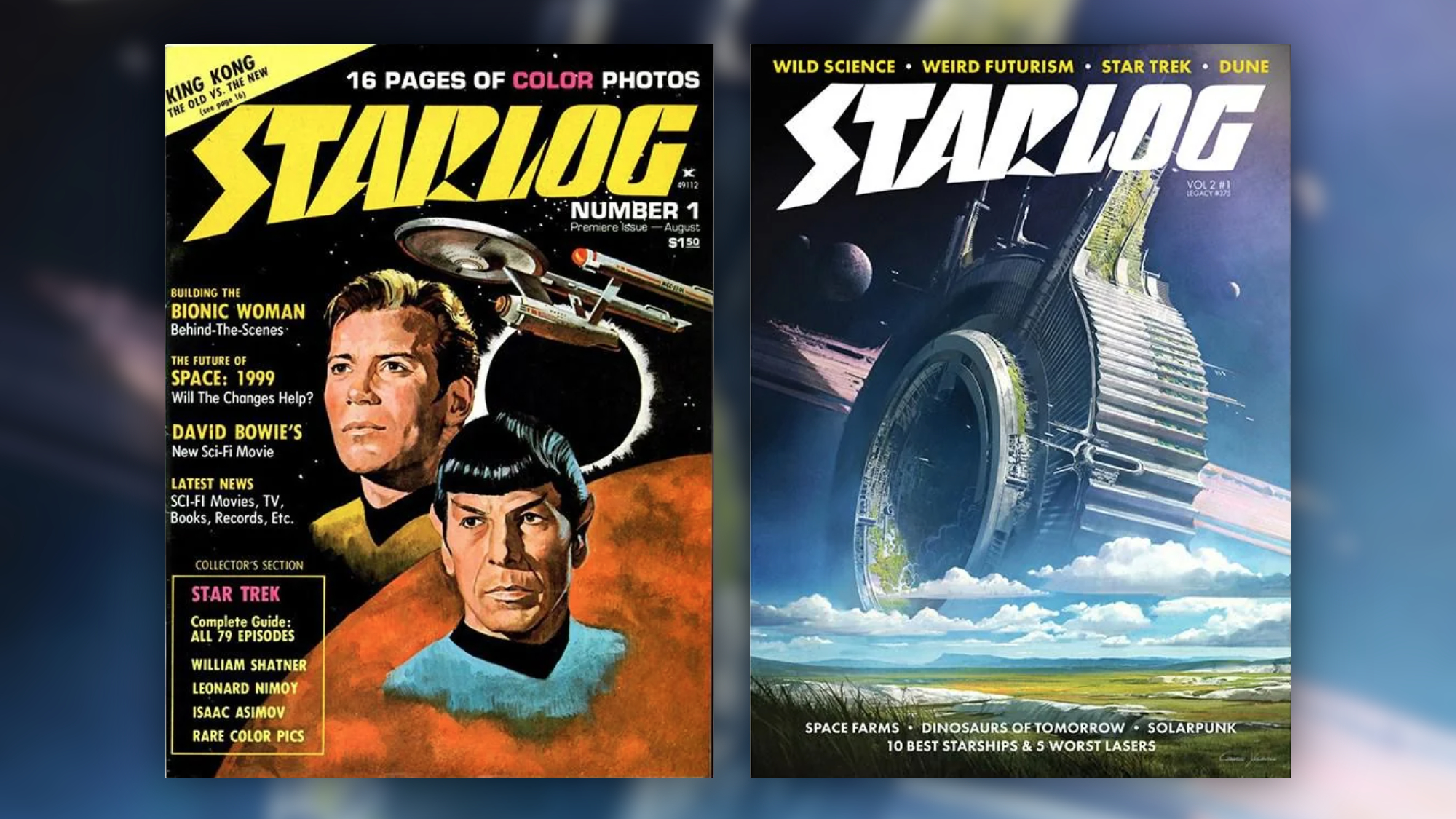
The magazine’s inaugural cover, a striking painted depiction of the U.S.S. Enterprise from Star Trek featuring William Shatner and Leonard Nimoy, set the tone for a publication that would become the primary source of information for fans of the genre. Throughout its initial 33-year run, Starlog provided a vital bridge between Hollywood studios and the fan community. It was a comprehensive repository of behind-the-scenes photographs, exclusive interviews with visionaries like Gene Roddenberry and Steven Spielberg, and technical breakdowns of the visual effects that defined the blockbuster era.
A Chronology of Decline and Renewal
The trajectory of Starlog mirrors the broader decline of print media in the early 21st century. As the internet matured and websites began providing real-time news, the monthly print model faced mounting pressure.
- 1976: Starlog launches, establishing itself as the definitive voice for sci-fi fans.
- 1977–2000: The magazine thrives, documenting the rise of massive franchises including Alien, The Terminator, and Battlestar Galactica.
- 2009: Amid a severe industry-wide downturn in subscription revenue and advertising, Starlog ceases publication. The closure is widely mourned as the end of an era for "geek" journalism.
- 2009–2025: The brand remains a dormant but respected legacy property, with back issues becoming highly sought-after collector items.
- 2026: Fangoria Holdings acquires the rights and announces the return of the magazine as an annual print volume to coincide with the brand’s 50th anniversary.
The 17-year gap between its shuttering and this current revival reflects a growing "digital fatigue" among consumers. While digital platforms offer immediacy, they often lack the curated, tactile experience that defined legacy publications. The decision to pivot to an annual format acknowledges this shift, positioning the new Starlog not as a competitor to breaking news sites, but as a premium, archival-quality collectible.
Bridging the Gap Between Sci-Fi and Reality
The return of Starlog arrives at a time when the boundaries between science fiction and technological reality have become increasingly porous. Tara Ansley of Fangoria Holdings noted the irony of this timing, observing that the themes Starlog once analyzed as mere fantasy are now the subjects of daily headlines.
"During its original 33-year run, Starlog documented science fiction as it evolved across film, television, books, technology, and culture," Ansley stated. "Fifty years after the magazine first launched, the line between science fiction and the real world has become increasingly difficult to separate. That makes this an especially interesting time to bring Starlog back. Technology may change, but the most compelling questions have always been about people: how we live, what we create, and what kind of future we want to build."
This perspective underscores a shift in the publication’s mission. While the original magazine was focused on reporting the latest developments in Hollywood, the 2026 incarnation appears poised to explore the intersection of human philosophy and technological advancement. By inviting Annalee Newitz, a renowned journalist with deep ties to the intersection of science and culture, to serve as editor-in-chief, the publishers have signaled a commitment to depth and intellectual rigor.
Market Implications and Industry Impact
The relaunch of Starlog is part of a larger trend in the publishing industry: the "premiumization" of print. As mass-market magazines continue to struggle, niche publications with strong brand recognition are finding success by targeting dedicated collector bases. By transitioning to an annual, high-quality print edition, Starlog bypasses the logistical nightmares of monthly distribution while capitalizing on the enduring loyalty of its fan base.
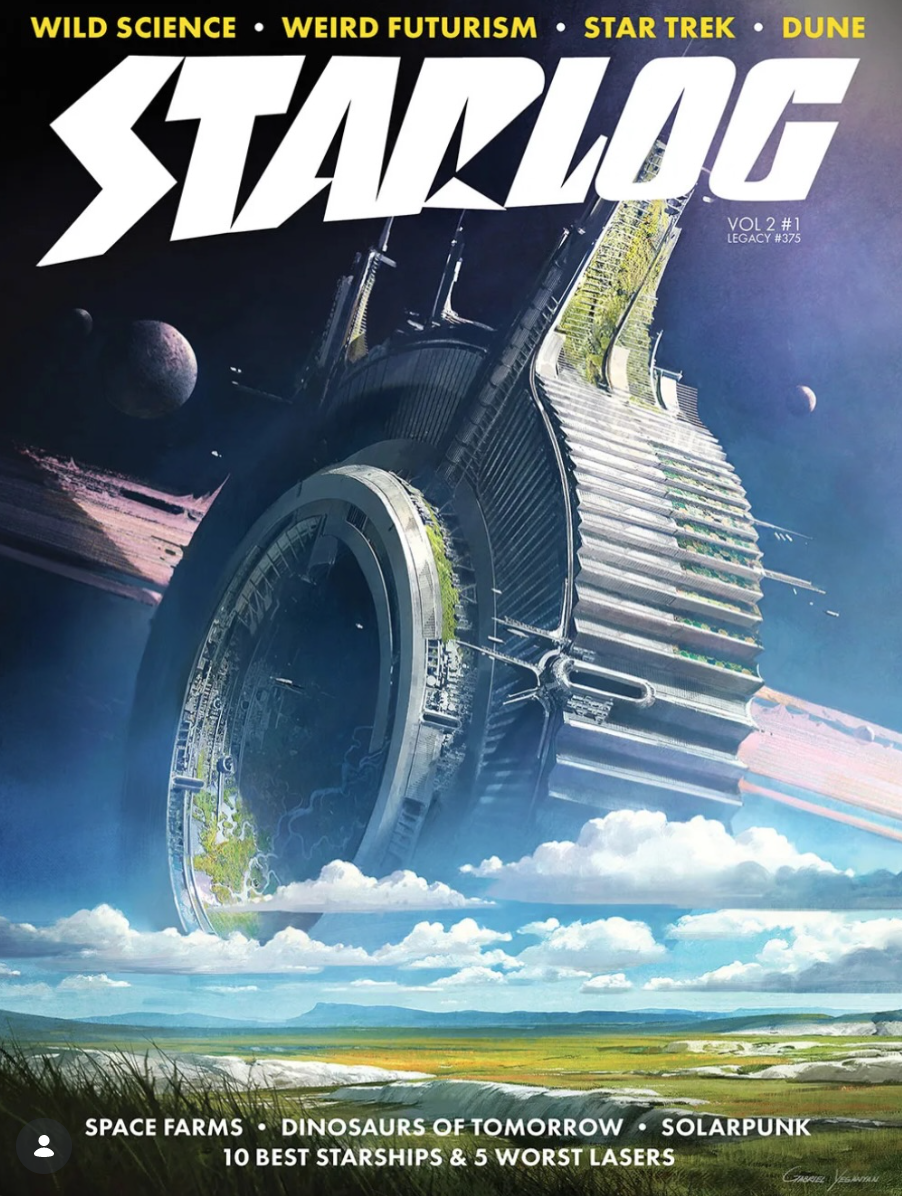
Data from the past decade suggests that physical media—ranging from vinyl records to hardcover books—has seen a resurgence as consumers seek respite from screen-heavy lifestyles. By offering a curated, permanent record of genre culture, Starlog fills a void that digital-only content cannot. The inclusion of original cover art, such as the contribution by Armenian artist Gabriel Yeganyan for the new issue, reinforces the magazine’s identity as a work of art rather than a disposable commodity.
The Editorial Vision for Issue 375
The upcoming issue, #375, serves as both a retrospective and a forward-looking manifesto. It aims to synthesize the magazine’s history with the contemporary state of the industry. Fans who grew up reading the magazine cover-to-cover in the 1980s and 90s will find the same dedication to long-form journalism, high-quality photography, and insightful analysis.
The publication’s longevity is a testament to its cultural influence. It provided a platform for writers and fans to engage in deep-dive discussions about lore, production design, and the ethical dilemmas presented in speculative fiction. By maintaining the numbering system, the editorial team is making a clear statement: this is a continuation, not a reboot. It honors the 374 issues that came before it while acknowledging the evolution of the genre.
Looking Toward the Future
As the November 13 release date approaches, the anticipation within the sci-fi community remains palpable. The pre-order phase has seen significant activity, suggesting that there is a robust market for legacy media that offers a curated, immersive experience.
The revival of Starlog represents more than just a trip down memory lane. It is a strategic move that taps into the enduring human desire for physical touchstones in an increasingly ephemeral digital world. As the magazine prepares to enter its second half-century, it carries the weight of its history while attempting to redefine what "fan journalism" looks like in the modern era. Whether the annual format will be sustainable remains to be seen, but for now, the return of a titan of genre publishing serves as a reminder that some stories—and the publications that tell them—are built to last.
The decision to return to print is ultimately a vote of confidence in the intelligence and commitment of the sci-fi audience. It assumes that fans are willing to invest in long-form, thoughtful content that provides context and history in a way that quick-hit digital articles cannot. If successful, the return of Starlog could pave the way for other defunct legacy titles to find a second life in the modern media ecosystem. For now, the focus is squarely on the launch of Issue 375, a bridge between the golden age of sci-fi and the unpredictable future that lies ahead.