Finding a rental apartment in New York City has long been a trial of patience and financial endurance, but for a group of over a dozen prospective tenants, the search culminated in a sophisticated criminal enterprise that left them both penniless and without a home. Rajat Verma, a 35-year-old resident of Franklin Square, Long Island, stands accused of orchestrating a elaborate, year-long rental fraud scheme that exploited the city’s desperate housing market. According to a criminal indictment unsealed by the Queens District Attorney’s Office, Verma allegedly posed as a legitimate real-estate broker, utilizing a rotating stable of at least a dozen aliases—including “Bobby Gupta,” “Dave Mair,” and “Samir”—to deceive victims across Queens and Brooklyn.
The charges against Verma, which include grand larceny, identity theft, and scheme to defraud, highlight a growing trend of rental-related crime in an environment where low vacancy rates and record-high rents create a fertile climate for bad actors. Between September 2022 and November 2023, Verma is alleged to have defrauded at least 15 individuals of a combined $61,625 in security deposits and bogus application fees.
The Anatomy of the Deception
Verma’s modus operandi was both methodical and brazen. Rather than relying on simple ghost listings, he allegedly engaged in a more complex "middleman" strategy. Investigators contend that Verma would identify vacant apartments, apply for them using his own identity or fraudulent credentials, and present bad checks to landlords to secure the keys. Once he gained physical access to a property, the deception began in earnest.
Using the keys, Verma would host showings for prospective tenants, posing as the listing agent. He would collect security deposits and first-month rent payments, often providing the victims with keys that were either duplicates or intentionally rendered useless. The timeline of the scheme was designed to exploit the lag between when a landlord would discover a bad check and when the evicted or scammed tenant would realize their new home was not theirs to claim.
In one particularly egregious instance cited by prosecutors, a tenant arrived at an apartment they had paid to lease, only to find that another family—who had also been scammed by Verma—was already attempting to move into the same unit. The confusion and emotional toll on these victims were significant, as many had already signed leases, packed their belongings, and prepared for the transition, only to find themselves stranded without legal recourse to the apartment or their money.
A Chronology of Alleged Criminality
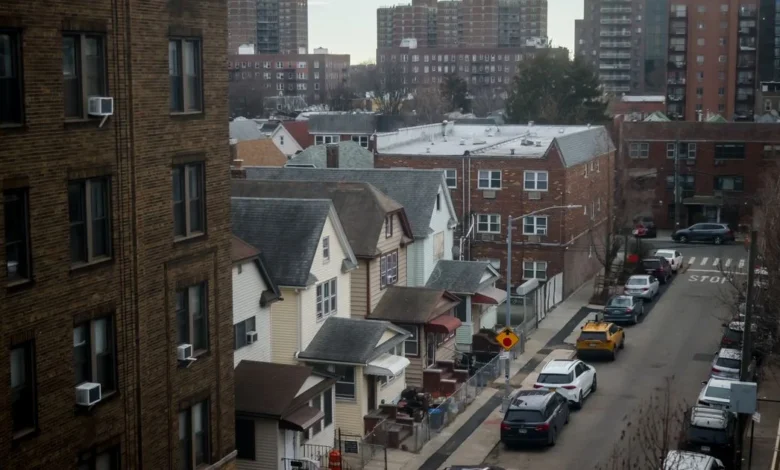
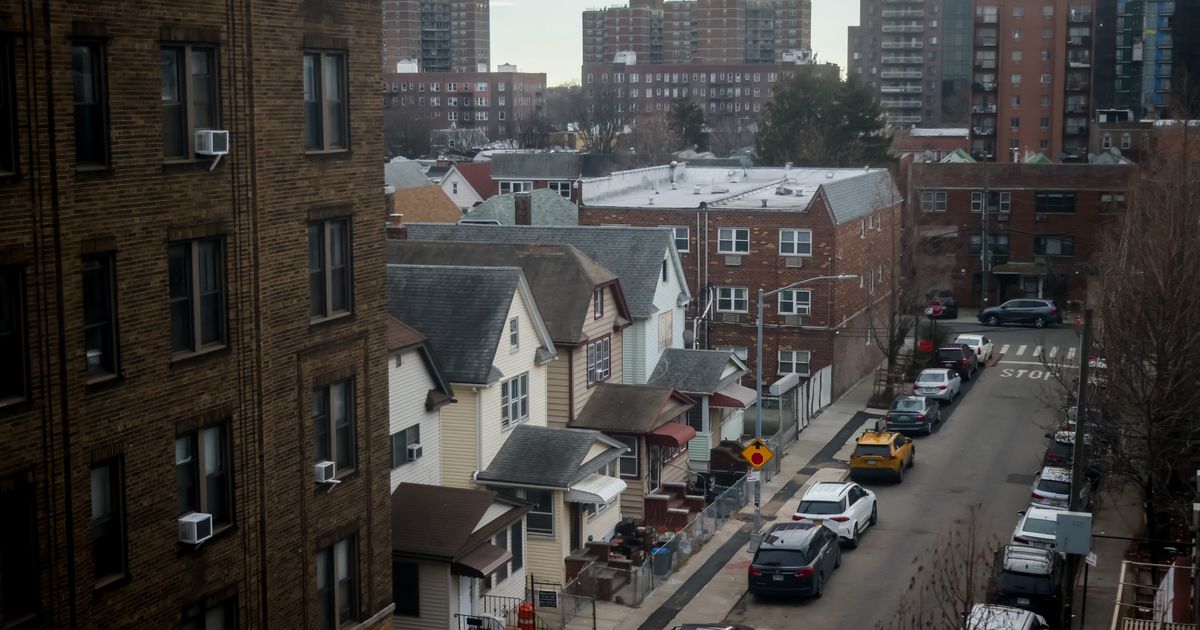
The scale of the operation spanned multiple boroughs, with properties identified in neighborhoods ranging from Maspeth and College Point in Queens to Bay Ridge in Brooklyn. The district attorney’s office has tracked the fraudulent activity to a specific window of time:
- September 2022: The onset of the alleged scheme, where Verma began securing apartments under false pretenses to use them as staging grounds for his illicit rental business.
- Late 2022 to mid-2023: A period of heightened activity where Verma utilized multiple online platforms to advertise the apartments. During this time, he adopted his various aliases to avoid detection and maintain a facade of professional legitimacy.
- November 2023: The conclusion of the active phase of the scheme as investigations intensified and evidence of the fraud began to surface through victim complaints.
- October 2026: Formal indictment proceedings were finalized, bringing the case into the public eye and signaling the beginning of the judicial process.
The Defense and Legal Implications
If convicted on all counts, Verma faces up to seven years in a state correctional facility. The severity of the charges reflects the impact on the victims, many of whom were financially destabilized by the sudden loss of their security deposits.
In response to the indictment, Joseph Grasso, an attorney representing Verma, has vehemently denied the allegations. In a statement, Grasso characterized his client as a "devoted husband, father, and family man" who remains deeply involved in the care of his elderly parents. The defense is expected to challenge the prosecution’s evidence regarding the intent and the identity of the person behind the various aliases, emphasizing the defendant’s character in contrast to the accusations of systemic fraud.
Broader Context: A City Under Pressure
The case of Rajat Verma is far from an isolated incident; it is a symptom of a systemic crisis within the New York City rental market. With the city’s vacancy rate hovering at a historic low of approximately 1.4 percent, competition for housing is fierce. This desperation allows scammers to operate with increased efficiency, as prospective tenants are often pressured to make quick financial decisions to avoid missing out on a rare available unit.
Recent precedents underscore this trend. Earlier this year, Juan Valoy was convicted for a similar scheme involving the theft of over $100,000 from dozens of victims in Manhattan and the Bronx. Similarly, in a case that drew significant media attention, Nicholas Fuelling pleaded guilty to grand larceny after bilking 17 people out of $50,000 through a fraudulent subleasing scheme in Hell’s Kitchen.
Manhattan District Attorney Alvin Bragg has previously spoken to the opportunistic nature of these crimes, noting that the tight market serves as a "fertile ground for fraud." When supply is low and demand is extreme, the vetting process for potential renters can become rushed, and the standard caution expected in real estate transactions is frequently bypassed in favor of speed.

Protecting the Tenant: Practical Safeguards
The frequency of these scams has prompted local authorities and legal experts to issue updated guidance for renters. The primary defense against such fraud is verification. The New York Department of State maintains a public database of all licensed real-estate brokers. Prospective tenants are urged to check this registry before transferring any funds or signing documentation.
Furthermore, legal experts advise that any request for payment via non-traceable methods—such as cash, wire transfers, or cryptocurrency—should be considered a major red flag. A legitimate broker or property manager will generally provide standard, traceable methods of payment and will be able to provide verifiable proof of their relationship with the property owner.
"If something seems sketchy, go with your gut," one real-estate attorney suggested during an analysis of the trend. This sentiment remains the cornerstone of consumer protection in a market that is increasingly difficult to navigate. For the victims of the current case, the path to restitution will likely be long, as the criminal justice system works to untangle the web of aliases and financial transactions that defined Verma’s alleged operation.
As the case moves toward trial, the Queens District Attorney’s Office continues to urge anyone who may have been a victim of this specific scheme or similar rental frauds to come forward. The goal is not only to secure justice for those who were deceived but to send a clear message to would-be scammers that exploiting the city’s housing crisis will be met with rigorous prosecution. For now, the case remains a stark reminder that in the high-stakes world of New York City real estate, the old adage remains true: if an offer seems too good to be true, it almost certainly is.