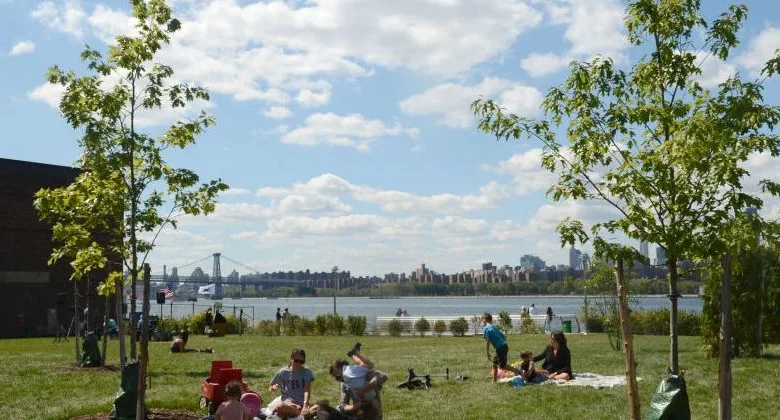
The proposal, which had been in development since its public introduction in July 2026, sought to transform the small, beloved waterfront park by introducing a private marina and a high-capacity restaurant. However, the plan failed to gain traction as residents raised concerns regarding the privatization of public land, increased noise levels, and the potential for the park to be repurposed as a high-end destination for tourism rather than a recreational space for the local community.
The Chronology of a Failed Proposal
The controversy began in mid-summer 2026, when the New York City Department of Parks & Recreation unveiled plans to solicit bids for a concessionaire to operate a facility at the historic site. The park, which takes its name from the former WNYC radio broadcasting center that has occupied the land since 1937, has long been a focal point of Greenpoint’s waterfront identity.
The city’s objective was twofold: to revitalize the decaying 1937 structure—which has been shuttered for decades—and to address the persistent lack of public amenities, specifically restrooms, in the park. The city estimated that a comprehensive renovation of the historic broadcasting building would cost approximately $5 million, a figure that proved daunting for prospective bidders.
By late August 2026, as the details of the winning proposal emerged, the community response turned hostile. Critics noted that while the developer promised a restaurant and marina, the plan was conspicuously vague regarding the required $5 million restoration of the historic site. Instead, the proposal relied heavily on revenue streams from docking fees and high-volume event rentals—a model that locals argued would turn a community park into a private wedding and tourist destination.
Neighborhood Resistance and the Power of Advocacy
The opposition was swift and highly organized. The "Friends of WNYC Transmitter Park," a grassroots advocacy group led by Elissa Iberti, spearheaded the resistance. By early September, the group had circulated a formal petition that garnered over 500 signatures in just a few days, signaling to local officials that the project lacked a social license to operate.
During the September 15th meeting, the subcommittee representing Brooklyn’s CB1 formally reviewed the project’s viability. Faced with the reality of the community’s unified stance, and acknowledging that the contract for the developer had not yet been formally signed, the committee effectively dismantled the proposal.
"I will be completely honest," said Elissa Iberti following the meeting. "I did not think Parks would come back and listen. I think this is sort of unheard of." Her sentiment reflects the broader surprise among residents who have grown accustomed to city development projects proceeding despite significant community opposition.
Economic and Logistical Hurdles
The failure of the project highlights the complexities of "concession-based" urban planning. In recent years, the City of New York has increasingly relied on private-public partnerships to fund the maintenance and renovation of public assets. The logic is simple: a private entity operates a profitable business (like a café or boat launch) and, in exchange, pays a franchise fee and invests in capital improvements to public property.
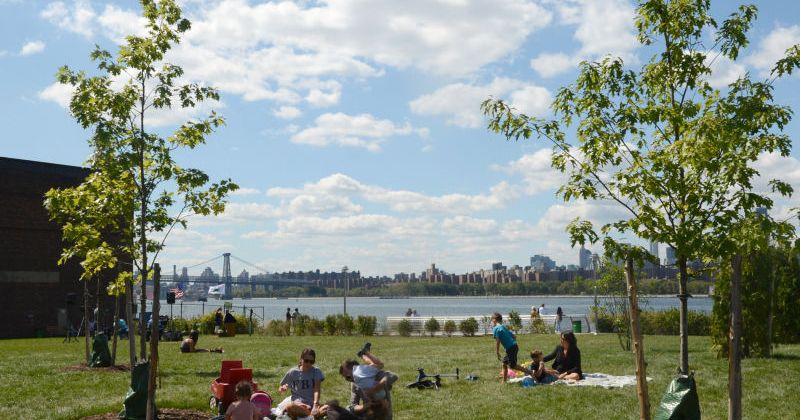
In the case of Transmitter Park, the math simply did not align. The costs associated with restoring a 1937 building—which carries strict preservationist requirements—created a high barrier to entry. At least one potential operator reportedly reviewed the fiscal projections and withdrew their bid, concluding that the required investment outweighed the potential profit margins from restaurant and marina operations.
The winning bid attempted to bridge this gap by focusing on high-revenue activities, such as private parties and boat excursions. However, the lack of transparency regarding the restoration of the broadcasting building served as the final straw for the community board. The subcommittee ultimately passed a resolution that officially removed the requirement for a full building renovation, replacing it with a mandate for a commemorative plaque or monument to acknowledge the site’s historical significance.
What Comes Next for Transmitter Park?
With the restaurant and marina proposal off the table, the focus has shifted toward the most pressing need identified by the community: public sanitation. The lack of a bathroom has been a long-standing complaint among park visitors, and the city is now pivoting its strategy to address this specific infrastructure gap.
The Department of Parks & Recreation is reportedly exploring alternative avenues for installing public restrooms, which may include the integration of the city’s newer, more compact, and self-cleaning automated units—some of which have been highlighted in recent municipal initiatives.
For the preservationists and the Friends of WNYC Transmitter Park, the next challenge involves the fate of the 1937 broadcasting building itself. Now that a private developer is no longer responsible for its rehabilitation, the building remains in a state of limbo. Without a clear plan for its restoration, the structure faces continued degradation. However, for the local residents who fought to stop the marina, this is a preferred trade-off. They have consistently argued that the preservation of the park’s character as a public space takes precedence over the commercial development of its structures.
Broader Implications for New York City Waterfronts
The events at Transmitter Park serve as a case study for future waterfront developments across the five boroughs. As New York City continues to expand its green infrastructure, the friction between public access and commercial interests is likely to intensify.
Urban planners and municipal officials are now tasked with balancing the city’s need to generate revenue and maintain facilities against the neighborhood-level demand for "unprogrammed" space. The victory in Greenpoint suggests that residents are increasingly sophisticated in their understanding of land-use policy and are willing to utilize both legal and political levers to ensure their voices are heard in the early stages of the planning process.
The "unheard of" decision by the Parks department to walk back a proposal in response to community pressure may set a precedent for future interactions between the city and neighborhood boards. It suggests a potential shift toward a more collaborative approach, where community input is sought—and implemented—before the ink is dry on potentially contentious contracts.
As for the future of the Transmitter Park site, the city has committed to continuing the dialogue with the community. While a, grand marina will not be arriving on the shores of Greenpoint, the fundamental need for a clean, accessible, and functional park remains at the top of the local agenda. For now, the focus is on the basics: adequate seating, functional bathrooms, and the preservation of the open space that defines the neighborhood’s waterfront character.