Noise Secures $5.5M Seed Funding to Democratize Influencer Marketing Through Everyday Content Creators

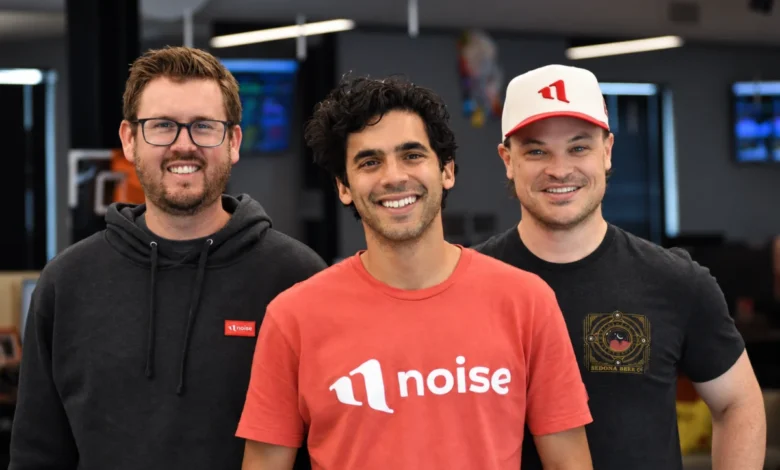
The landscape of digital marketing is undergoing a seismic shift as platforms emerge to bridge the gap between corporate budgets and the aspirations of everyday social media users. Noise, an innovative marketing platform designed to connect brands with everyday content creators rather than traditional, high-cost influencers, has announced a $5.5 million seed funding round. Co-led by Capital Midwest, M25, and Grishin Robotics, with participation from Capitalize VC and industry operators including veterans from DoorDash, this latest financial injection brings Noise’s total capital raised to $7.2 million.
As the creator economy matures and market saturation makes traditional influencer entry increasingly difficult, Noise is capitalizing on a structural inefficiency in digital advertising. By bypassing elite, high-follower influencers in favor of crowdsourced everyday creators compensated on a per-view model, the startup aims to provide brands with unprecedented content diversity and scale at a fraction of traditional costs.
The Genesis of Noise: From Mobile Gaming to Creator Infrastructure
The conceptual foundation of Noise was laid years before its official launch, born out of the practical trials and operational bottlenecks faced by its founders. Diego Kafie, Stu Feldt, and Nic Weber originally teamed up to build Playbite, a mobile gaming application. Over a two-year development and scaling period, the trio experimented with various creative marketing strategies to acquire users cost-effectively.
Faced with traditional advertising costs that quickly drained their startup budget, the founders turned to grassroots community engagement. They began recruiting a small group of gamers, teaching them how to produce engaging social media content that promoted the app across platforms like TikTok and Instagram. What started as an experimental cohort of five individuals quickly scaled to 10, 25, and eventually 100 participants.
Before long, Playbite’s application installs were skyrocketing. This organic army of micro-advocates was posting daily content about mobile gaming without the exorbitant fees demanded by established influencers with large followings. Recognizing that teaching regular people to become content creators from scratch yielded superior engagement at a fraction of the cost, the founders realized they had stumbled upon a broader market opportunity. In 2025, Kafie, Feldt, and Weber officially launched Noise to commercialize this model for other brands seeking scalable, cost-effective digital marketing solutions.
Democratizing the Creator Economy
Noise operates on a distinctly inclusive premise: anyone with a smartphone can download the app and participate, regardless of their current follower count or social media clout. Within the platform, brands outline their campaign briefs, content requirements, and marketing budgets. Noise then matches these requests with its vast network of creators, who can select campaigns and produce content tailored for platforms such as TikTok, Instagram, Facebook, and YouTube.
Unlike traditional influencer campaigns that rely on flat-fee sponsorships regardless of performance, Noise compensates creators based on verified views. This performance-driven structure aligns the financial incentives of the platform, the brands, and the creators. Furthermore, the platform automates the cumbersome operational workflows that typically burden marketing teams—such as sourcing talent, managing individual client relationships, and executing fragmented payments. Brands can seamlessly orchestrate campaigns across thousands of creators simultaneously, operating on a level of automated scale previously unattainable for smaller enterprises.
The platform has experienced rapid adoption, currently boasting a community of 1.5 million creators. According to CEO Diego Kafie, top-performing creators on the platform are earning upwards of six figures annually, demonstrating that monetization is not exclusively reserved for elite internet personalities. The company generates revenue by taking a percentage fee from the capital allocated by brands once views are successfully delivered.
Addressing the Boom in Influencer Aspirations
Noise enters the market at a time when the cultural appetite for content creation has reached unprecedented levels. Recent industry data underscores this macroeconomic trend, revealing that more than 50% of Generation Z and just over 40% of U.S. adults overall aspire to become influencers. However, the pathway to monetization has grown increasingly treacherous, plagued by high entry barriers, algorithmic volatility, and the significant financial investment required to produce competitive content independently.
By providing structured training modules directly within the app, Noise lowers these barriers to entry. New users complete educational pathways that teach them the fundamentals of brand-safe content creation. While entry-level creators are initially restricted to specific introductory campaigns, successful participation and ongoing training unlock higher-paid opportunities.
This infrastructure positions Noise alongside other emerging creator-economy startups like Billo and JoinBrands, all of which seek to streamline user-generated content (UGC) production for corporate buyers. However, Noise differentiates itself by emphasizing a transition from everyday consumer to active brand advocate, effectively democratizing the concept of the influencer.
Expansion Plans and the Organic-to-Ads Strategy
With the newly acquired $5.5 million in seed funding, the leadership team at Noise plans to aggressively scale its operational capabilities. Primary allocations of the capital will target engineering talent acquisition and product development to enhance platform functionality.
Simultaneously, the startup has rolled out its "Organic-to-Ads" program. This feature bridges the gap between organic social media content and paid media strategy by allowing brands to take successful videos generated by Noise creators and deploy them as paid advertisements across Meta and TikTok ecosystems. While creators continue to publish content natively on their personal channels, brands can now inject dedicated media spend behind high-performing assets to maximize audience reach and conversion efficiency.
Market Implications and Future Outlook
Currently, Noise’s primary customer base consists of mobile application developers and early-stage companies operating under tight marketing constraints. These businesses, which rely heavily on diverse customer acquisition channels, represent an ideal market fit for crowdsourced creator campaigns. However, the long-term strategic vision for the startup involves onboarding enterprises of all sizes across diverse industry sectors.
As digital advertising costs continue to rise on traditional programmatic channels, brands are increasingly seeking authentic, peer-to-peer recommendations that resonate with modern consumers. By enabling companies to recruit a decentralized workforce of brand advocates, Noise offers an alternative paradigm to traditional advertising playbooks.
Industry analysts note that while performance-based creator networks must carefully balance compensation fairness with platform margins, the demand for scalable user-generated content remains robust. By positioning itself as an infrastructure layer that turns everyday consumers into commercial creators, Noise is carving out a distinct niche at the intersection of the gig economy and digital marketing.
Related posts: