The Scope of the 2026 Traffic Experiment
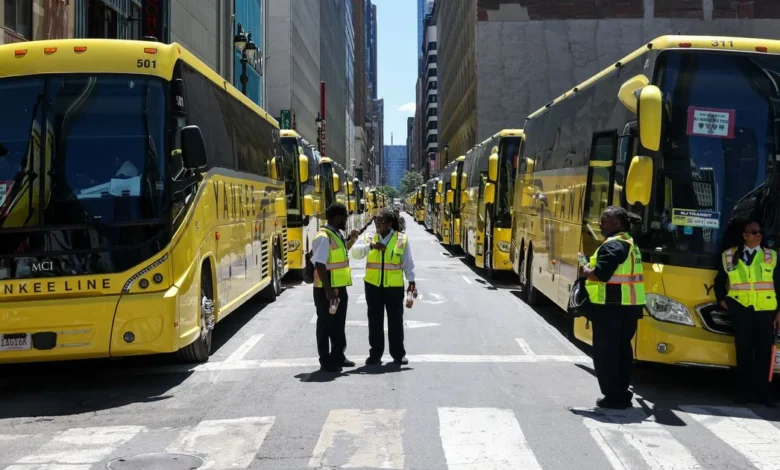
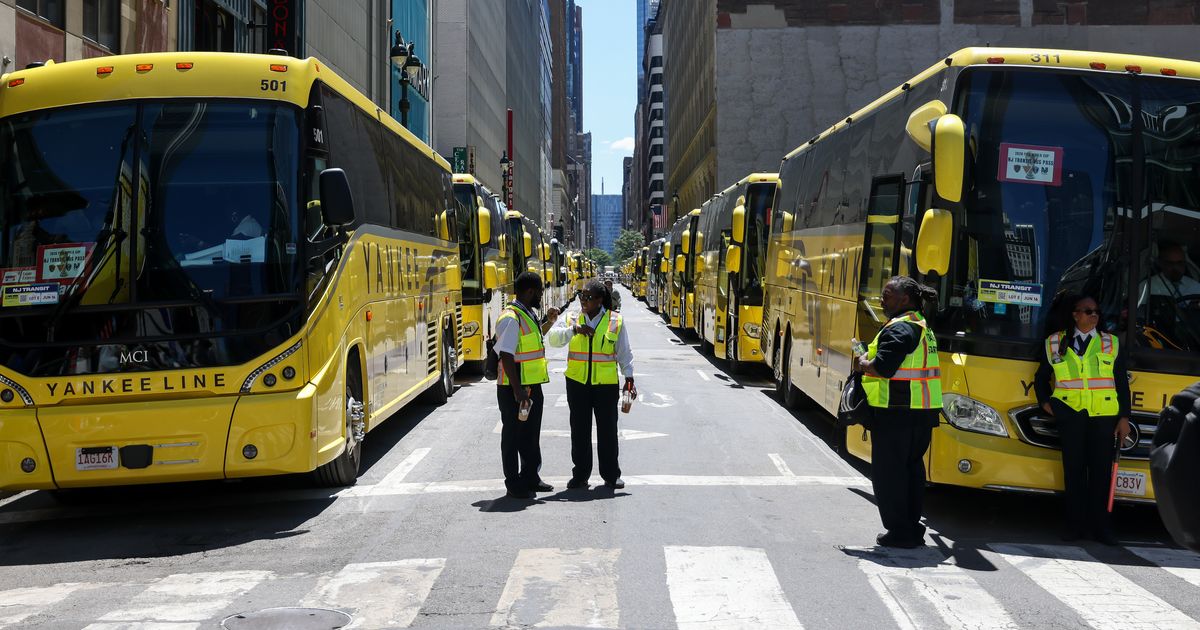
The scale of the intervention was unprecedented in modern New York history. To manage the movement of hundreds of thousands of fans, the city implemented a series of "match day" restrictions that effectively re-prioritized the streetscape for public transit and pedestrians. The centerpiece of this plan was the conversion of 42nd Street, a critical crosstown artery, into a dedicated bus-and-shuttle corridor stretching from First Avenue to 12th Avenue.
Beyond the 42nd Street corridor, the city closed several side streets to private vehicular traffic and repurposed significant swaths of Fifth and Sixth Avenues. The area surrounding Penn Station, a primary transit hub for fans taking New Jersey Transit to the Meadowlands, was entirely pedestrianized to prevent dangerous overcrowding. Perhaps most controversially, the city enacted a sweeping ban on truck deliveries between 30th and 60th Streets, with restrictions lasting up to 13 hours on game days. These measures were designed to ensure that the "last mile" of the journey for international visitors remained fluid, even as the city’s population swelled by over a million temporary residents.
A Chronology of Implementation
The planning for the World Cup transit strategy began years in advance, but the specific details of the Midtown restrictions were only made public by the Mamdani administration in late May 2026. This left businesses and residents with roughly two weeks to prepare for the first match day in early June.
The experiment followed a rigorous schedule tied to the tournament’s progression:
- Early June: Initial "match day" protocols were activated for group stage games. Early data showed a massive shift toward public transit, with over 50% of fans utilizing the bus and rail network.
- Mid-June to Early July: Restrictions were refined as the knockout stages increased the concentration of visitors. The city utilized these days to test the durability of the truck delivery bans.
- July 19, 2026: The World Cup Final saw the most stringent application of the rules. With 80,000 people at the stadium and hundreds of thousands more in fan zones, the Midtown transit corridors reached peak capacity.
- Post-Tournament Analysis (Late July): City transit officials began releasing preliminary speed and ridership data, revealing the statistical impact of the experiment.
Data-Driven Results: The Speed of Success
The primary metric for the experiment’s success was the performance of the M42 bus route. Historically, the M42 has been a symbol of New York’s congestion woes, frequently winning the "Pokey Award" from advocacy groups for its average speed of five miles per hour—roughly the pace of a brisk walk. Transit advocates argued that without intervention, the influx of World Cup fans would have rendered the route entirely stationary.
However, on match days, the dedicated corridor allowed buses to bypass the gridlock that usually defines Midtown. According to data released by the New York City Department of Transportation (DOT), bus travel times during the experiment were approximately 23% faster than the seasonal average. On-the-ground reporting from transit observers noted that buses were "gliding" through emptied lanes, with some trips across town being completed eight minutes faster than usual.
This 23% improvement is particularly significant given the context: the city was accommodating a million more people than it does on a standard summer day. Proponents of the plan point to this as definitive proof that removing private vehicles from key corridors can drastically improve the efficiency of the city’s surface transit, even under extreme demand.
Economic Friction and Business Reactions
While the data favored transit efficiency, the human and economic feedback from the ground was more nuanced. The restrictions created a significant logistical "burden" for the businesses that keep Midtown running. The New York City Hospitality Alliance, representing thousands of bars and restaurants, reported widespread frustration among its members.
The primary point of contention was the delivery truck ban. Many restaurants in the 30th to 60th Street zone rely on daily deliveries of perishables. The 13-hour bans forced businesses to scramble for midnight or early-morning delivery slots, often at increased labor costs. Andrew Rigie, executive director of the Alliance, noted that while the city had years to plan for the World Cup, the late communication of the specific "no-truck zones" left small business owners in a lurch.
The Grand Central Partnership, which manages the area around the historic terminal, also highlighted the disruption to the taxi industry. The closure of streets necessitated the shuttering of the Grand Central taxi stand, leaving many travelers—particularly those with luggage or mobility issues—without a clear way to reach their final destinations. For some retailers, the "ghost town" feel of the restricted streets led to a noticeable dip in foot traffic and sales, as the usual flow of commuters and shoppers was diverted or discouraged by the lack of vehicular access.
The "Miracle on 42nd Street" and Future Policy
The World Cup experiment has re-energized long-standing campaigns for permanent street redesigns. Organizations like Transportation Alternatives and the Riders Alliance have used the tournament’s success to bolster their "Miracle on 42nd Street" initiative. This proposal calls for a permanent busway modeled after the 14th Street design, which has been operational since 2019 and has successfully increased bus speeds and ridership.
The proposed redesign of 42nd Street would include:
- Permanent Busway: Restricting private vehicle access to ensure buses always have a clear path.
- Protected Bike Lanes: Creating a safe, high-capacity route for cyclists across Midtown.
- Expanded Sidewalks: Permanently reclaiming street space for pedestrians to alleviate overcrowding near Grand Central and Times Square.
Despite the lack of an official announcement for a permanent 42nd Street busway, the DOT’s recently released "Next Stop" bus blueprint identifies the "Midtown Crosstown" as one of 50 priority corridors. The city’s goal is to raise bus speeds by 20% citywide by 2030, and the World Cup data provides the Mamdani administration with a powerful argument for why 42nd Street should be the next major project.
Broader Implications for Urban Planning
The 2026 World Cup traffic experiment proved that New York City is capable of rapid, large-scale infrastructure transformation when faced with a global deadline. It demonstrated that the "impossible" task of restricting traffic in the heart of Manhattan is not only possible but can result in measurable improvements in transit performance.
However, the experiment also highlighted the essential need for "logistical equity." For a permanent version of these restrictions to succeed, the city must address the needs of the service economy. This could include the creation of dedicated "micro-hubs" for freight, incentivizing off-hour deliveries, or creating "flex zones" where delivery vehicles are permitted during specific windows.
As New York moves past the World Cup, the "experiment" has become a reference point for future urban crises and opportunities. Whether the city returns to the status quo of five-mile-per-hour buses or moves toward a transit-first Midtown will depend on how the administration balances the clear data of the busway’s success against the very real logistical needs of the city’s business community. For now, 42nd Street remains a symbol of what the city could be: a place where, even with a million extra people, the buses actually move.