Discovering Antigua: The Ultimate Caribbean Paradise for Luxury Travelers and Nature Enthusiasts

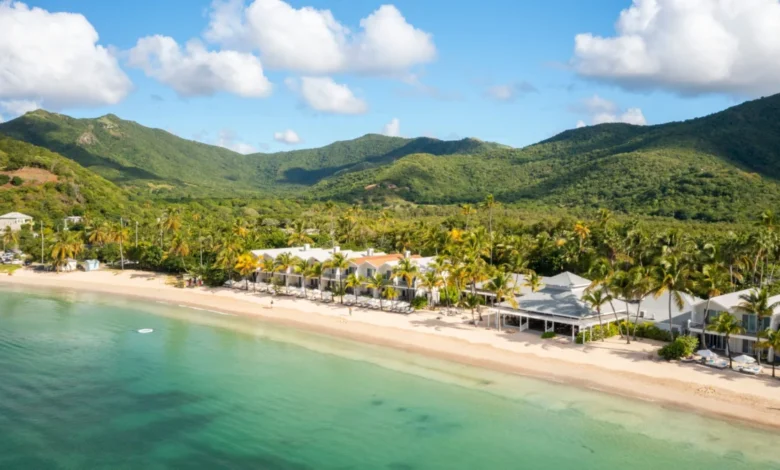
Antigua stands as one of the crown jewels of the Lesser Antilles, a sun-drenched island in the eastern Caribbean Sea that has long captivated international travelers, luxury seekers, and ecological conservationists alike. Renowned globally for its striking geographical diversity, the island balances rugged, emerald-green rainforests with a coastline famously punctuated by exactly 365 distinct beaches—a literal beach for every single day of the year. While mass tourism has transformed the landscape of numerous neighboring destinations, Antigua has deliberately preserved much of its natural topography, allowing visitors to experience an authentic Caribbean ecosystem where untamed wilderness meets world-class hospitality.
Recent hospitality data released by the Caribbean Tourism Organization indicates a sustained surge in luxury travel to the region, with Antigua leading the charge in attracting discerning tourists seeking high-end, low-impact accommodations. As global travel trends shift toward immersive nature experiences combined with elite amenities, the island’s premier hotels and resorts have positioned themselves at the vanguard of this movement. From cliffside retreats overlooking crystal-clear turquoise waters to secluded boutique hideaways tucked away within lush tropical foliage, Antigua’s lodging sector offers a masterclass in harmonizing upscale development with environmental preservation.
The Geographical and Ecological Tapestry of Antigua
To fully understand the allure of Antigua’s premier accommodations, one must first examine the unique geography that defines the island. Formed largely by volcanic activity and coral formations, Antigua spans approximately 108 square miles. Its coastline is an intricate maze of sheltered bays, natural harbors, and dramatic headlands. This varied coastline is the direct result of rising sea levels over millennia, which flooded the island’s lower valleys and created the iconic barrier reefs that protect its powder-soft, white-sand shores.
Inland, the terrain shifts dramatically. Acres of dense, protected rainforests—particularly within the Shekerley Mountains in the southwest—harbor an astonishing array of flora and fauna. Conservation reports from the Environmental Awareness Group (EAG) of Antigua and Barbuda highlight the region’s ecological significance, noting that these forested areas serve as critical habitats for native bird species, reptiles, and a diverse insect population.
Furthermore, the island’s marine ecosystems are among the most carefully monitored in the Lesser Antilles. The fringing coral reefs provide a natural breakwater that keeps the coastal waters calm, warm, and exceptionally clear. This marine environment supports vibrant populations of sea turtles, including the critically endangered hawksbill turtle, the endangered green turtle, and the massive leatherback turtle.
The Chronology of Conservation and Tourism Development
The trajectory of Antiguan tourism is deeply intertwined with a conscious shift toward sustainable development, a process that has evolved significantly over the past several decades.
Pre-Colonial to Colonial Era
Long before European contact, Antigua was inhabited by successive waves of indigenous peoples, including the Arawaks and later the Caribs, who relied on the island’s marine resources and fertile volcanic soil. Following Christopher Columbus’s sighting of the island in 1493—naming it after the Church of Santa María la Antigua in Seville—the island eventually became a British colony in 1632. Under British rule, the economy was dominated by sugarcane production, which drastically altered the landscape through widespread deforestation to clear land for plantations.
Post-Independence and the Rise of Tourism
Following its independence from the United Kingdom in 1981, Antigua and Barbuda recognized the urgent need to diversify its economy away from agriculture. The government identified tourism as the primary engine for economic growth. During the 1980s and 1990s, initial infrastructure projects focused on building large-scale resorts, predominantly along the northern and western coasts where the calmest beaches are situated.
The Modern Era: Sustainable Luxury (2010–Present)
In recent years, the Ministry of Tourism, Investment and Economic Development has pivoted toward a high-value, low-impact tourism model. Recognizing the ecological fragility of the island’s 365 beaches and rainforests, modern resort developments have faced stricter zoning laws and environmental impact assessments. Today’s premier hotels are designed with sustainability at their core, utilizing solar energy, water desalinization plants, and locally sourced building materials to minimize their carbon footprint while maximizing guest comfort.
Seasonal Rhythms: When Nature Meets Luxury
For travelers planning a stay at one of Antigua’s top-tier properties, timing can drastically enhance the experience. While the island enjoys a warm, tropical climate year-round—with average temperatures hovering comfortably between 25°C and 30°C (77°F to 86°F)—different months offer distinct natural spectacles.
The Turtle Nesting Season (June to October)
One of the most profound ecological events on the island occurs during the summer and early autumn months. Between June and October, several species of sea turtles come ashore under the cover of darkness to nest on Antigua’s secluded beaches, particularly at Pasture Bay and on the neighboring island of Barbuda.
Marine biologists and local conservation groups closely monitor these nesting sites. Visitors staying at nearby luxury eco-resorts are often granted rare, respectful opportunities to witness conservation in action. Watching baby sea turtles emerge from their shells—a blurry-eyed, instinct-driven scramble across the warm sand into the churning Atlantic or Caribbean waters—provides an unforgettable, grounding experience that elevates a standard luxury vacation into something deeply meaningful.
The Dry Season and Surfing Conditions (December to April)
For those seeking optimal weather stability and vibrant social calendars, the peak dry season from December to April remains the most popular choice. During these months, trade winds provide a refreshing breeze that tempers the tropical heat. Conversely, wave enthusiasts frequently visit between November and February, when northern swells reach the Atlantic-facing eastern shores, offering prime conditions for surfing, windsurfing, and kiteboarding.
Economic Analysis: The Impact of High-End Hospitality on the Local Economy
The proliferation of world-class resorts across Antigua is not merely a testament to the island’s aesthetic appeal; it serves as the cornerstone of the national economy. According to economic data from the Eastern Caribbean Central Bank (ECCB), tourism accounts for more than 60 percent of Antigua and Barbuda’s Gross Domestic Product (GDP) and directly or indirectly employs over half of the island’s workforce.
The decision by premier hospitality brands to invest heavily in the destination has generated significant macroeconomic benefits:
- Employment Generation: High-end resorts require substantial staffing ratios, offering specialized training programs in culinary arts, hospitality management, and ecological conservation for local residents.
- Supply Chain Localization: Modern Antiguan resorts increasingly partner with local farmers, fishermen, and artisans, reducing import dependency and ensuring that tourism revenues directly benefit agrarian communities.
- Infrastructure Development: The economic inflow from luxury tourism has catalyzed improvements in public infrastructure, including expanded international flight routes at V.C. Bird International Airport, modernized roadways, and enhanced telecommunications networks.
However, economists and environmentalists continuously debate the delicate equilibrium required to maintain this growth. Overdevelopment poses a genuine threat to the island’s freshwater tables and coastal mangroves. Consequently, the government has increasingly emphasized eco-certification standards for all new hotel constructions, ensuring that luxury and sustainability remain mutually dependent rather than adversarial.
Official Responses and Stakeholder Perspectives
Industry leaders and government officials have been vocal about the strategic vision guiding Antigua’s tourism sector.
In a recent address regarding sustainable tourism development, the Antiguan Minister of Tourism emphasized the nation’s unique selling proposition: "We do not market ourselves as a mass-market destination. Our 365 beaches are our greatest asset, but our greatest responsibility is safeguarding them. When travelers choose our island, they are investing in an environment that we fiercely protect, ensuring that the natural splendor they experience today will remain pristine for generations to come."
Meanwhile, hotel general managers across the island’s top properties report a noticeable shift in guest demographics and expectations. Modern travelers are no longer satisfied with passive relaxation alone; they demand transparency regarding a resort’s environmental practices.
"The modern luxury traveler is deeply conscious of their ecological footprint," notes a senior operations director at one of Antigua’s premier cliffside resorts. "Our guests want to indulge in fine dining, spa treatments, and secluded beachfront villas, but they also want to know that the seafood on their plate is locally and sustainably sourced, and that our property actively contributes to marine conservation. Luxury today is defined by authenticity and responsibility."
Broader Implications and Future Outlook
As the global travel industry rebounds and accelerates past pre-pandemic levels, Antigua’s strategic positioning as a sanctuary of natural beauty and refined hospitality offers a compelling case study in destination management. By resisting the temptation toward unchecked commercialization, the island has carved out a distinct niche that appeals to affluent travelers seeking both indulgence and ecological integrity.
The future of Antigua’s tourism sector hinges on its ability to adapt to global climate challenges—such as rising sea levels and increasingly volatile tropical storm patterns—while maintaining the upscale service standards that define its premier accommodations. Investments in climate-resilient infrastructure, coastal erosion prevention, and renewable energy adoption will be critical in preserving the very landscapes that draw hundreds of thousands of visitors to its shores each year.
Ultimately, whether one is watching hatchlings scuttle toward the sea under a starlit Caribbean sky, sipping a rum-fueled sundowner after a day of swimming in crystal-clear waters, or simply losing track of time across the island’s legendary 365 beaches, Antigua delivers an experience that transcends ordinary travel. It stands as a living testament to the fact that luxury and nature, when managed with foresight and respect, can coexist in breathtaking harmony.