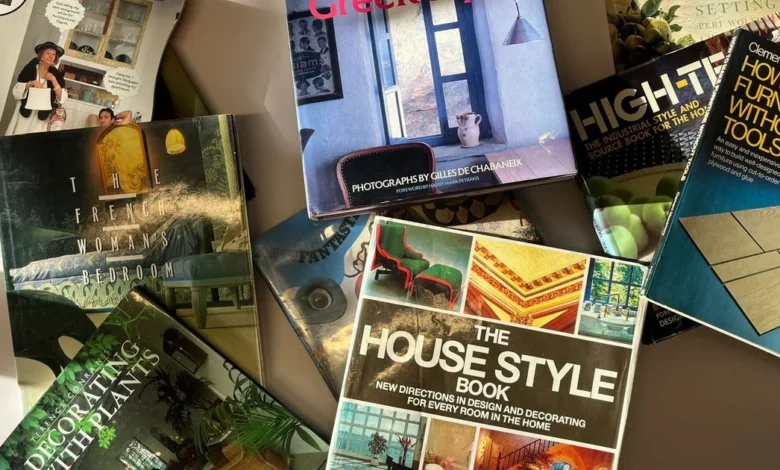
The intersection of interior design, bibliophilia, and retail has long been a static, predictable landscape. For decades, standard bookstore “interior design” sections have been dominated by glossy, monochromatic monographs—coffee table staples designed more for aesthetic staging than for intellectual engagement. However, a new collaborative effort between the design publication For Scale and the lighting manufacturer Santa & Cole is challenging this status quo. Currently occupying the Park at Kims space in Nolita, a weeklong pop-up bookstore has emerged, not merely to sell books, but to redefine what a “design library” should represent in the modern home.
A Departure from the Curated Monolith
The impetus for this project stemmed from a candid observation by David Michon, founder and editor of For Scale. During a period of inclement weather in New York City, a visit to a prominent bookstore prompted a critique of the industry’s reliance on “curated” aesthetic collections. Michon noted that the prevailing trend in interior design literature favors identical, high-gloss volumes that often prioritize brand image over substance.
“Real décor bookshelves have range and very blurry edges,” Michon asserts. His vision for a functional, authentic design collection includes a heterogeneous mix: quilt studies, treatises on table settings, cultural theory regarding taste, independent magazines, and even film media, such as Whit Stillman’s Metropolitan. This philosophy underpins the selection at the current pop-up, which has been curated by a group of industry insiders including Rosa Park of Francis Gallery, Kelly Wright of Yuns, and Salon 94’s Trang Tran.
The Role of Wrong Answer and the Archival Impulse
To bring this project to fruition, the For Scale team partnered with Geoff Snack, founder of the Toronto-based bookstore Wrong Answer, which operates out of a USM modular furniture showroom in Soho. Snack, who specializes in rare and out-of-print design materials, brings a nuanced perspective to the trade. He distinguishes between “good” and “bad” patina, arguing that while some collectors demand pristine, mint-condition volumes, others value the tangible history—the grit, minor edge wear, and yellowing—that signifies a book has been utilized as a resource rather than a prop.
The collaboration relies heavily on the archival value of magazines like Ottagono, Domus, and Casa. Unlike static monographs, these periodicals captured the rapid evolution of design movements in real-time. According to Snack, magazines often serve as more honest historical reflections because they were not bound by the pressure to be definitive or “correct.” They were, by nature, snapshots of ongoing debates, featuring experimental advertising and layout designs that defined the visual language of their eras.
Chronology of the Design Book Shift
The history of design publishing has evolved through several distinct phases:
- 1970s–1980s: The Era of Intellectual Exploration: Periodicals like Domus and Ottagono flourished, serving as conduits for avant-garde theory and rapid documentation of emerging movements.
- 1975–2010: The Paige Rense Era: Under the leadership of Paige Rense, Architectural Digest pioneered a specific visual identity, characterized by distinct nighttime photography and a focus on editorial authority over the hyper-curated, stylist-driven imagery common today.
- 2010–2020: The Digital Saturation: The rise of internet-based design media led to the “hegemonic neutral” aesthetic, where interiors were optimized for digital consumption and social media algorithms, leading to a homogenization of style.
- 2024–Present: The Counter-Trend: A resurgence of interest in physical, archival, and “weird” design literature has emerged, marked by a pivot toward independent publishing and a rejection of the pristine, uncracked-spine coffee table book.
Data and Consumer Trends in Design Retail
The market for secondary-market design books has seen a significant uptick in the last three years. According to independent bookstore data, demand for out-of-print titles—specifically those covering 1970s and 1980s postmodernism—has increased by approximately 22% annually since 2022. This trend suggests that consumers are seeking deeper, more research-based narratives rather than purely visual inspiration.
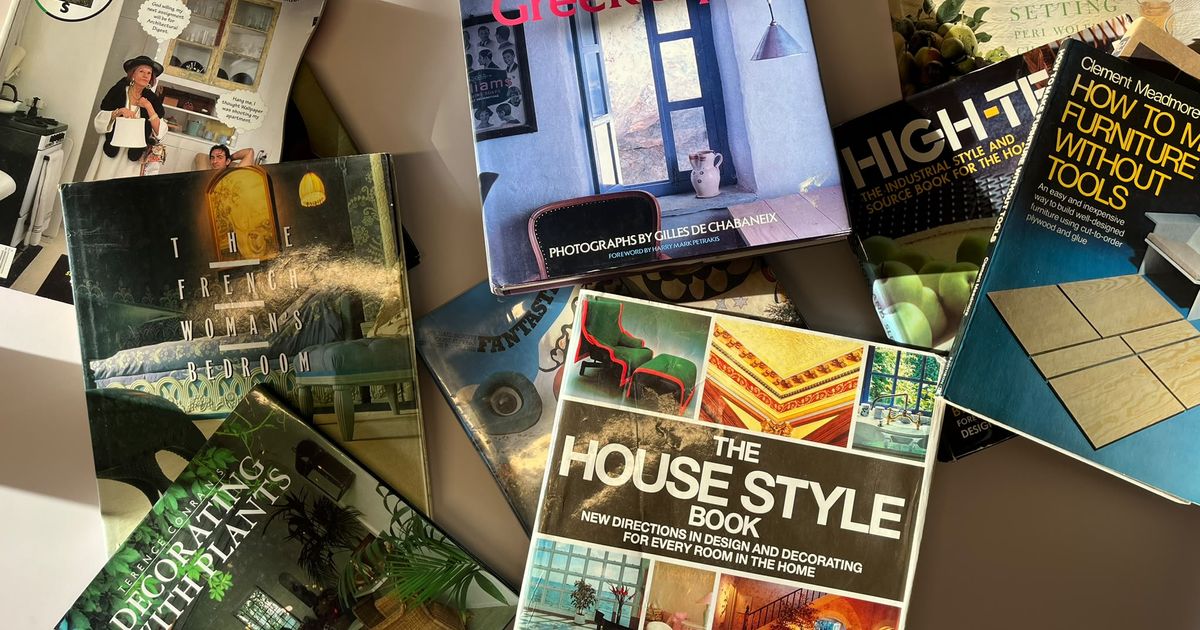
The pop-up at Park at Kims serves as a testing ground for this shift. By offering titles sourced from the personal libraries of respected designers and gallerists, the organizers are testing the hypothesis that there is a hunger for “non-curated” content. The inclusion of titles like Suzanne Slesin’s High-Tech—a seminal 1978 work that prioritized forensic, practical detail over mere decoration—highlights a collective desire for books that provide utility, shop-owner insights, and historical context.
The Problem of Modern Optimization
Both Michon and Snack point to a structural flaw in modern design writing: the “optimization” of aesthetic trends. In the pre-internet era, regional design trends remained localized for longer periods, allowing for a more organic development of style. Today, the rapid dissemination of imagery via social platforms forces decorators and publishers to align with dominant trends almost instantaneously.
This, they argue, has resulted in a loss of the “voyeuristic” quality that defined classic design books. The French Woman’s Bedroom, edited by Jacqueline Kennedy-Onassis, is cited as a prime example of a lost art form—a book that offered an intimate, almost intrusive look into private living spaces without the filter of modern “lifestyle branding.” The contemporary trend of positioning the author as the primary “personality” or “curator” often obscures the subject matter, transforming editorial work into a branding exercise.
Implications for the Future of Design Media
The success of this pop-up experiment has implications for how design publishers might approach future projects. If the public response to the sale of archival magazines and “well-loved” books remains strong, it suggests that the industry may need to pivot away from the high-cost, high-gloss production model.
The rise of Substacks and niche, print-on-demand journals demonstrates that readers are moving away from monolithic, top-down editorial structures. Michon’s assertion that people are still interested in reading—provided the content is not “boring” or overly academic—is backed by the growing engagement with long-form design criticism. By mimicking the pace and intonation of speech rather than the rigid, authoritative tone of traditional design journalism, new-gen writers are reclaiming a space for nuanced discourse.
Conclusion: The Value of the "Non-Curated" Shelf
As the For Scale pop-up concludes on November 13, it leaves behind a blueprint for a more authentic engagement with our living spaces. The event has demonstrated that the most valuable décor books are not those that provide a list of products or a guide to trends, but those that function as intellectual companions.
For the design-conscious consumer, the takeaway is clear: a bookshelf should reflect a life of inquiry. Whether it is a 1979 edition of Architectural Digest or a contemporary, experimental zine, the focus is shifting toward items that tell a story of evolution, trial, and error. As the industry looks toward the next cycle of design documentation, the lessons from this project suggest that the future of interior design literature lies not in the pristine, but in the provocative, the worn, and the genuinely curious.