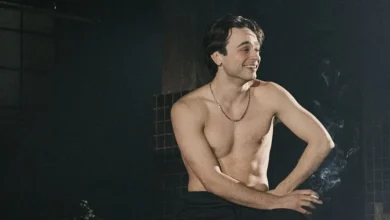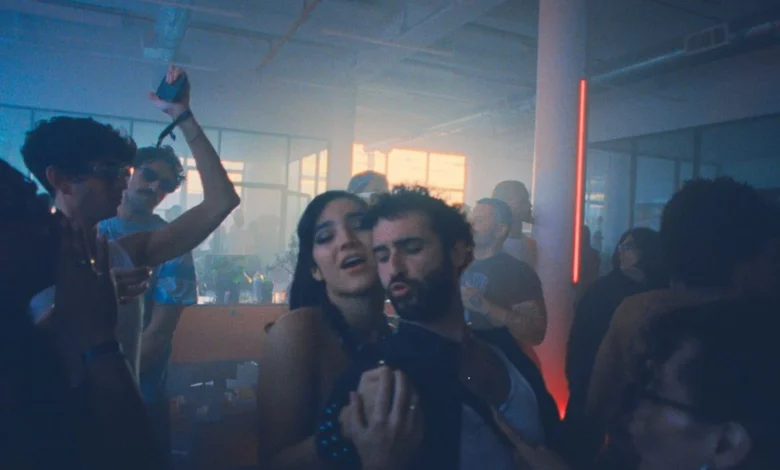
In 2024, as production for the feature film Club Kid commenced, director and star Jordan Firstman faced a significant creative dilemma: how to capture the authentic, raw, and often impenetrable atmosphere of New York City’s underground nightlife without falling into the trap of using “dilapidated” or artificial-looking extras. The resulting film, which follows a disillusioned gay party promoter navigating personal reinvention, functions less as a traditional narrative production and more as an anthropological study of the contemporary queer club scene. By eschewing conventional studio sets and paid casting calls in favor of real-world venues and the actual community members who frequent them, the production team created a visual time capsule that has drawn significant critical attention for its immersive realism.
The Production Philosophy: Authenticity Over Artifice
The film’s production designer, Stephen Phelps, brought a distinct methodology to the project, having previously honed his craft on films like Sean Baker’s Anora. Phelps champions an "anthropological" school of filmmaking, which prioritizes trailing actors through un-staged, live environments to elicit genuine reactions from bystanders. However, the logistical reality of the project proved daunting. Modern underground venues, particularly those in the Bushwick and East Williamsburg circuits, maintain a strict “no-camera” policy to preserve the safety and privacy of their patrons. Many venues require attendees to seal their mobile phones in specialized pouches or cover camera lenses with stickers.
Initial attempts to secure locations faced immediate pushback. "Basement wanted nothing to do with us," Phelps noted, citing the inherent friction between the disruptive nature of a film crew and the protective, insular nature of underground rave culture. When Firstman rejected the idea of hiring professional background actors—whom he famously dismissed as "dilapidated extras"—the production turned to the very platforms where the scene organizes: apps like Grindr. While the initial digital outreach yielded limited results, the production team shifted to a more grassroots strategy, leveraging personal networks to recruit real scenesters.
Chronology of a Guerrilla Production
The production process was marked by a series of strategic collaborations with figures like co-producer Ben Hannon Hubley and associate producer Zak Stone. Hubley, drawing on his background in documentary filmmaking, managed a comprehensive database of recurring partygoers to ensure the presence of a "chosen family" dynamic that cannot be faked with strangers.
The filming schedule was tightly interwoven with the actual nightlife calendar of Brooklyn. Two real parties were utilized to represent three distinct fictional locations. The Market Hotel in Bushwick served as the primary set for the fictional "Club Labor" in its prime. This choice was deliberate; the venue’s triangular architecture, situated against the backdrop of the elevated J/M/Z subway lines, provided the necessary visual texture that a generic soundstage could not replicate.
By contrast, the 2026 iteration of Club Labor, depicted as a more corporate, sterile environment, was filmed at the Pit // Stop party in East Williamsburg. This choice underscored a narrative shift: the transition from the inclusive, high-energy underground of the past to the more commodified, "muscle-gay" driven scenes that critics argue have become increasingly common in the wake of the pandemic.
Data and Design: The Aesthetic of the Underground
The film’s visual language was heavily influenced by archival documentation of iconic nightlife history. Firstman and Phelps referenced Eric Goode’s seminal work on Area, the 1980s Tribeca club known for its conceptual art installations and theatricality. To replicate this, the crew integrated live performance elements—tattoo artists, cage dancers, and even appearances by nightlife legends like Amanda Lepore—into the set design.
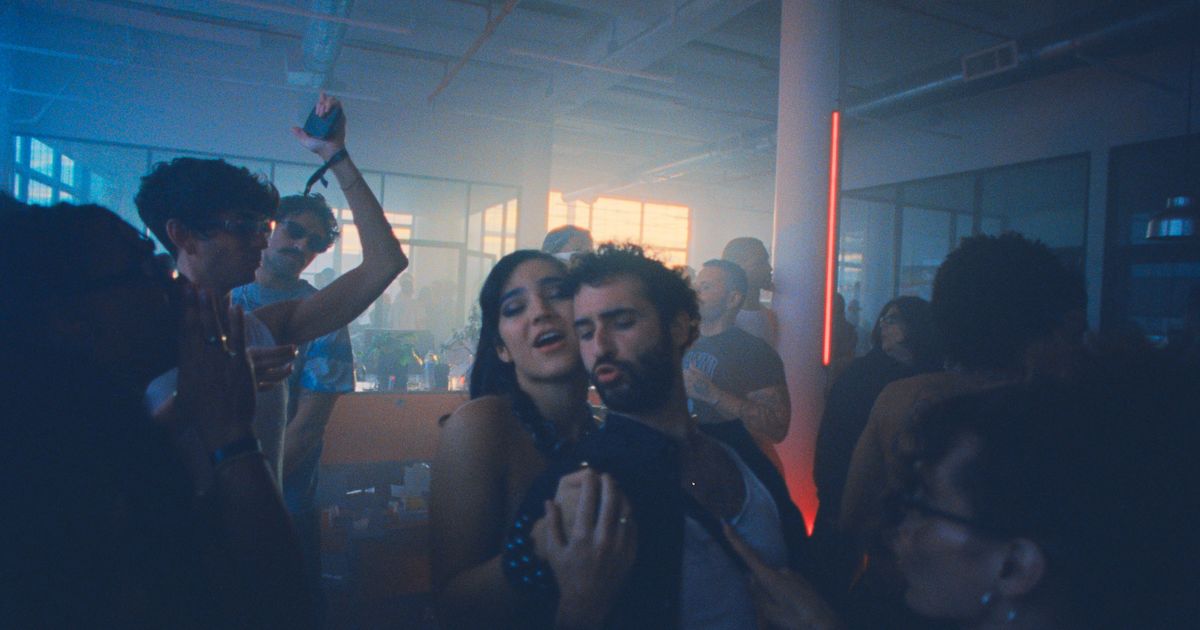
The lighting design, executed by GUMGUM Studio, was instrumental in differentiating the various club iterations. For the scene at H0L0, a venue characterized by its raw brick and warm wood floors, the lighting was calibrated to a specific blue-and-orange palette to mirror the protagonist’s home life, creating a psychological bridge between his domestic struggles and his professional environment.
Statistical nuances in the production reveal the scale of this effort. The crew worked within the confines of real-world event hours, often filming until 4 a.m. to capture the late-night fervor. At the Porto Rocha design agency, which stood in for an afterparty location, the production team unexpectedly found themselves filming an actual, ongoing party. The result was so authentic that the crew opted to discard pre-written dialogue, allowing the natural, chaotic energy of the environment to dictate the scene’s tone.
Official Perspectives and Community Feedback
The involvement of real-world institutions, such as the design firm Porto Rocha, highlights the delicate balance between commercial filmmaking and the protection of private community spaces. Leo Porto and Felipe Rocha, who allowed their studio to be used, noted that the experience was largely unscripted. "Everything you see there is exactly as it is," Porto remarked, noting that he even personally managed the smoke machines to ensure the atmosphere remained authentic yet cinematically viable.
The impact of this approach has been profound. Firstman has characterized the production as "live streaming" the culture, suggesting that the speed at which the film was produced allowed it to bypass the typical lag time between the emergence of a subculture and its representation in mainstream media. By integrating themselves into the events rather than recreating them, the team bypassed the "uncanny valley" effect that often plagues films about nightlife.
Broader Implications for Queer Cultural Documentation
The film’s reliance on real spaces and real people raises questions about the future of documenting queer history. As these spaces become increasingly threatened by gentrification, corporate co-option, and the shrinking footprint of underground venues, the film serves as a secondary function: a historical record.
The transition shown in the film—from the vibrant, messy, and creative "Club Labor" to its sanitized 2026 version—reflects broader anxieties within the New York City queer community. As promoters and venue owners grapple with rising costs, the pressure to cater to more affluent demographics often comes at the expense of the "community feel" that defines the scene. The film does not merely document this shift; it participates in the discourse by highlighting the tension between the artistic desire to preserve these spaces and the economic realities that force them to change.
Furthermore, the "doc-style" improvisation, such as Firstman’s interaction with strangers where he distributed fake substances, underscores the blurring lines between performance and reality. This approach has prompted discussion among film critics regarding the ethics of using real-world partygoers as subjects in a narrative film. While the producers maintained that consent was managed through signage and direct communication, the inherent power imbalance between a professional film crew and an intoxicated party crowd remains a point of academic and journalistic scrutiny.
In the final analysis, Club Kid represents a significant evolution in location-based filmmaking. By treating the city’s nightlife not as a backdrop but as a living, breathing participant, Firstman and his team have produced a work that is fundamentally tied to the geography and sociology of contemporary Bushwick. Whether this model is sustainable or even desirable for future projects remains to be seen, but the film stands as a testament to the power of authentic cultural immersion in an era of manufactured nostalgia.