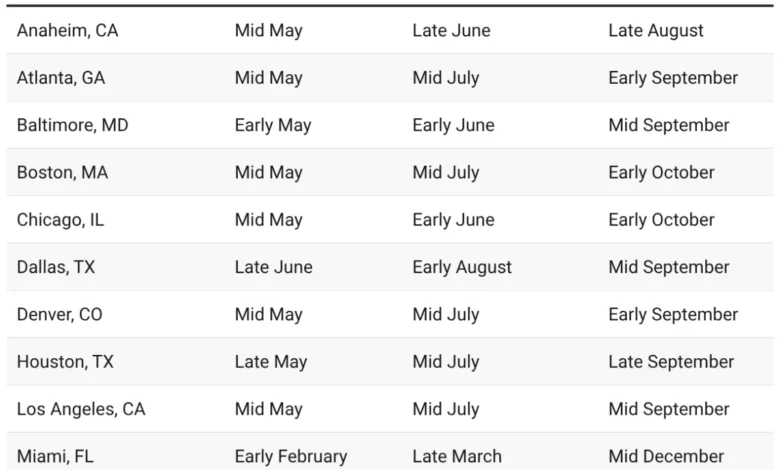
The real estate market of 2026 presents a complex matrix of high borrowing costs, shifting inventory levels, and a distinct power dynamic that heavily favors purchasers. For prospective homeowners, the foundational question remains deceptively simple yet notoriously difficult to execute: When is the absolute best time to buy a house? While conventional wisdom often points to the vibrant blooms of spring or the quiet freezes of winter, contemporary market data reveals a more nuanced reality. The ideal window for a home purchase is dictated by a convergence of seasonal inventory peaks, regional climate nuances, and broader macroeconomic factors that continuously reshape buyer leverage.
According to comprehensive real estate data and industry insights, late summer—specifically the month of August—frequently emerges as the prime window for home buyers nationwide. However, determining the optimal time to sign a contract requires looking far beyond a single calendar month. Everything from regional weather patterns and local market competition to individual financial readiness dictates whether a particular Tuesday in October or a snowy weekend in December will yield the best outcome for a buyer.
Understanding the Macroeconomic Landscape: A Buyer’s Market Defined
To comprehend why timing matters in 2026, one must first examine the broader economic forces currently governing the American housing sector. Stubbornly high housing costs, elevated mortgage interest rates, and broader economic uncertainty have created a distinctly slow and expensive market. The typical monthly housing payment hovers well above $2,700, and the national median home price sits near the formidable threshold of $400,000.
These steep financial barriers have sidelined a significant portion of potential purchasers, creating an unprecedented imbalance of supply and demand. Nationwide, there are currently over 70 percent more sellers than active buyers. This massive inventory backlog has fundamentally transformed the marketplace, shifting power away from homeowners and directly into the hands of those with pre-approved financing and ready capital.
Sellers are responding to this sluggish demand by offering concessions at a near-record frequency. Price drops, home warranty inclusions, closing cost assistance, and repair credits are increasingly common tools utilized by homeowners desperate to finalize a transaction before their property languishes too long on the digital listing boards. For financially prepared buyers, this environment provides an extraordinary degree of negotiating power that simply did not exist during the hyper-competitive pandemic-era housing booms.
The Seasonal Lifecycle of Real Estate
Seasonality has historically dictated the rhythm of residential real estate, driven primarily by human behavior and weather patterns. In northern latitudes, bitter winter temperatures compel prospective buyers and sellers to stay indoors, effectively freezing market activity until the spring thaw. Conversely, the summer months invite leisurely house-hunting tours and a psychological urgency to relocate before the academic year resumes in the fall.
This seasonal heartbeat varies drastically depending on geography. Housing markets in southern and sunbelt cities exhibit significantly lower seasonality, maintaining a steady, predictable supply and demand curve year-round. In contrast, northern metropolitan areas experience violent market swings, with activity surging to a fever pitch in late spring and tapering off dramatically as autumn sets in.
Analyzing the four distinct seasons reveals specific advantages and drawbacks for anyone attempting to time their market entry.
The Spring Surge: Maximum New Listings
Spring is universally celebrated as the traditional kickoff to the homebuying season. Beginning in late spring and extending into early summer, the flow of brand-new listings reaches its annual apex. For buyers seeking the psychological thrill of touring freshly constructed or meticulously updated properties, this season offers the widest array of newly minted options.
Yet, this abundance comes with a steep price tag. Spring historically triggers intense competition, frequent bidding wars, and a noticeable absence of negotiating leverage. While recent macroeconomic headwinds have somewhat muted this seasonal frenzy—as many buyers remain priced out and sellers hesitate—spring remains a high-stakes arena where swift, decisive, and often over-asking offers are required to secure a property.
The Summer Plateau: Peak Inventory and Late-Season Leverage
By mid-to-late summer, the housing market reaches its ultimate inventory peak. This period combines the tail-end stragglers of the spring listing wave with properties that failed to sell immediately, resulting in the broadest possible selection of homes for active buyers.
Daryl Fairweather, Redfin’s Chief Economist, points to late summer as the optimal sweet spot for purchasers. "August is the prime time for home buyers," Fairweather explains. "When late summer rolls around, sellers are beginning to offer more concessions, inventory is still well stocked from spring, and there are enough new listings to keep things fresh."
In regions like Anaheim and Austin, August inventory and pricing dynamics create ideal conditions for buyers. Meanwhile, cities such as Seattle, Denver, and Atlanta experience their optimal buying window slightly later, rolling into early September as summer temperatures begin to gently decline.
The Autumn Correction: The Pursuit of Price Drops
For bargain hunters and cost-conscious purchasers, early-to-mid autumn represents the most fertile ground for financial savings. As the urgency of the summer selling season fades and the looming prospect of winter approaches, motivated sellers frequently adjust their pricing strategies.
Data indicates that price drops, seller-funded concessions, and creative financing incentives peak during the fall months. Homeowners who missed out on the spring and summer rush become increasingly anxious to offload their assets, making them far more receptive to under-list-price offers and contingencies. Metropolitan areas across the Midwest and Northeast—including Boston, Philadelphia, and Cleveland—consistently witness a surge in autumn price reductions as sellers race against the impending winter freeze.
The Winter Lull: Minimal Competition in Select Markets
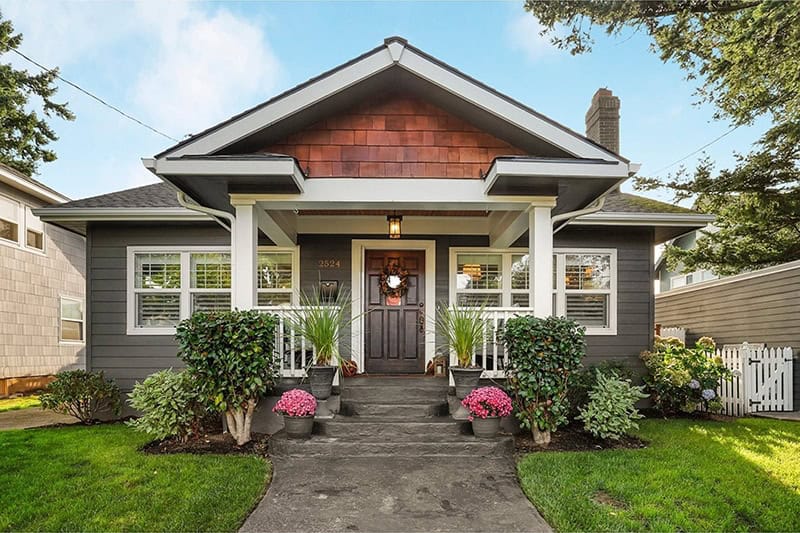
Winter is universally recognized as the slowest period for the real estate industry. Inventory shrinks dramatically, new listings dry up, and both buyers and sellers retreat to the sidelines. For the average home shopper, winter offers a discouragingly sparse selection of properties.
However, niche opportunities exist for the intrepid buyer. In specific sunbelt markets—such as Miami, Fort Lauderdale, and West Palm Beach—the winter holiday season actually serves as a prime window for securing a deal. Additionally, industrial midwestern hubs like Detroit exhibit unique inventory cycles that peak later than traditional northern cities, occasionally offering winter buyers an unexpected tactical advantage in reduced competition.
City-by-City Breakdown: Why Real Estate is Hyper-Local
A recurring mantra among real estate professionals is that all real estate is intensely local. National averages provide a helpful baseline, but regional economic health, local zoning laws, employment hubs, and geographic constraints mean that the ideal buying window changes radically from one zip code to the next.
For instance, while Baltimore experiences an early June inventory peak for buyers seeking maximum choice, San Francisco’s unique economic ecosystem pushes its inventory apex as late as October. Similarly, Boston sellers frequently drop asking prices at the first sign of autumn leaves, whereas Tampa homeowners typically hold firm on their valuations well into November before making meaningful price adjustments.
Because these micro-economies fluctuate independently of national trends, experts strongly advise prospective buyers to consult local real estate agents who possess granular knowledge of neighborhood-level historical data and seasonal absorption rates.
Strategies for Maximizing Leverage in a Buyer’s Market
Armed with historical data and favorable macroeconomic conditions, buyers navigating the current market possess several tactical avenues to secure a better deal.
First, purchasers should aggressively target properties that have lingered on the market for extended periods. Days-on-market (DOM) metrics serve as a reliable indicator of a seller’s anxiety. A home that has sat on listing sites for sixty or ninety days is a prime candidate for a below-asking offer or requests for significant seller concessions, such as mortgage rate buydowns or repair credits.
Second, buyers should leverage the current disparity in supply and demand. With sellers outnumbering buyers by a wide margin, there is rarely any need to waive traditional contingencies—such as home inspections or financial appraisals. Retaining these safety nets protects the buyer’s long-term financial health without alienating sellers who are eager to close transactions.
Finally, buyers should explore the possibility of negotiating seller-paid financing concessions. Rather than solely fixating on the purchase price, asking the seller to contribute funds toward lowering the interest rate on a mortgage can yield thousands of dollars in cumulative savings over the life of the loan.
The Dilemma of Timing the Market Versus Personal Readiness
A pervasive question haunting many prospective buyers is whether they should continue waiting on the sidelines for a more favorable economic climate. Many are holding out hope for dramatic drops in mortgage interest rates or a sudden collapse in home prices.
Economic analysts caution that attempting to time the housing market with absolute precision is a perilous endeavor. If mortgage rates experience a sudden, sharp decline or inflation recedes significantly, a massive wave of sidelined buyers will instantly flood the market. This renewed surge in demand would inevitably spark intense competition, trigger bidding wars, and drive home prices upward, erasing any initial savings gained from waiting.
Furthermore, structural housing affordability is unlikely to improve substantially until broader economic uncertainties ease and residential homebuilding output accelerates significantly. Consequently, experts warn against stretching personal budgets or postponing life milestones purely in pursuit of a speculative market bottom.
"My best advice for cost-conscious buyers is to focus on the long term and buy when they’re personally and financially ready," Fairweather emphasizes. "Housing is a major investment, and timing the market to score a discount is difficult and may not make sense for everyone. Housing is expensive, and while affordability is improving, it’s unlikely to substantially move until economic uncertainty eases and homebuilding improves. Don’t stretch your budget or rush the process if you don’t need to."
Broader Implications and Final Outlook
The trajectory of the housing market carries profound implications for the broader American economy, influencing consumer confidence, residential mobility, and generational wealth creation. While high borrowing costs and elevated median prices have undeniably strained household balance sheets, the shifting power dynamics of the current market provide an unexpected silver lining for those with the financial fortitude to participate.
Ultimately, the decision to purchase a home transcends algorithmic market timing. While late summer historically offers an optimal intersection of robust inventory, fresh listings, and increasing seller flexibility, the true "best time" to buy a house is entirely individualized. It arrives precisely when an individual or family has achieved financial stability, secured the appropriate mortgage framework, identified a property that aligns with their long-term needs, and is genuinely prepared for the transition of homeownership.