Family Dollar to Pay $63 Million Settlement Following Widespread Allegations of Price Deception

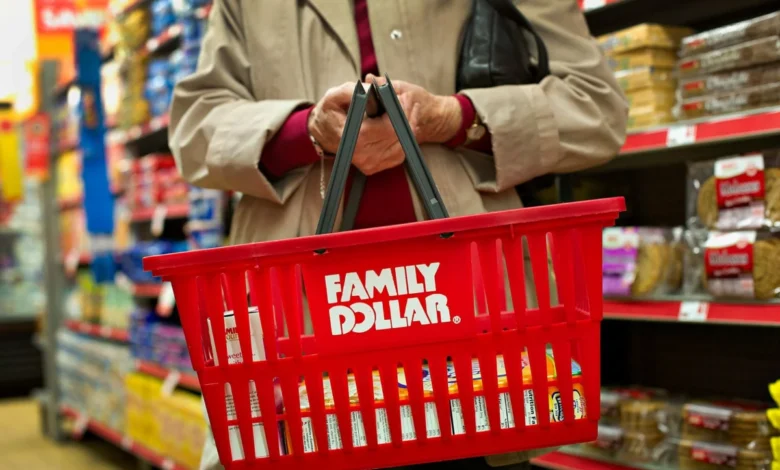
The Federal Trade Commission (FTC), in a coordinated legal action alongside a coalition of 17 states, officially announced a $63 million settlement with Family Dollar on November 12, 2026. This resolution follows a comprehensive investigation into the retailer’s pricing practices, which federal and state regulators characterized as a systemic pattern of overcharging consumers for everyday household essentials. The settlement mandates a $40 million restitution fund specifically designated for customer refunds, alongside a rigorous, court-ordered mandate to implement a comprehensive pricing accuracy program that will be subject to independent, annual third-party certification.
The core of the legal complaint centers on the discrepancy between advertised prices—displayed on store shelves, in digital circulars, and via the company’s proprietary mobile application—and the actual prices processed at the point of sale. For years, consumers across the country reported instances where the price at the register exceeded the sticker price. By finalizing this settlement, Family Dollar seeks to rectify these grievances while avoiding protracted litigation, though the implications for the discount retail sector remain significant as regulators signal a zero-tolerance policy for pricing inaccuracies.
A Chronology of Systemic Pricing Failures
The path to this settlement began long before the November 2026 complaint. Between 2022 and 2025, regulatory bodies conducted over 1,000 localized pricing inspections at Family Dollar locations across the 17 states involved in the litigation. These inspections were designed to verify that the price point visible to the consumer matched the data in the company’s central inventory system. The results of these audits were stark.
In Ohio, inspectors found that 83% of the items audited failed to match the advertised price, representing the highest failure rate among the participating states. Conversely, Florida recorded a failure rate of 19%. In several specific, high-frequency locations, inspectors reported that 100% of the tested inventory displayed inaccurate pricing, with up to 60% of total store items marked incorrectly.
These audit failures resulted in more than 2,000 administrative fines totaling approximately $3 million during the three-year period leading up to the lawsuit. Despite these recurring penalties, the failure to reconcile shelf-labeling systems with register software persisted well into 2026, leading the FTC to escalate the issue from state-level fines to a federal enforcement action.
Mechanics of the Deception: Why Prices Mismatched
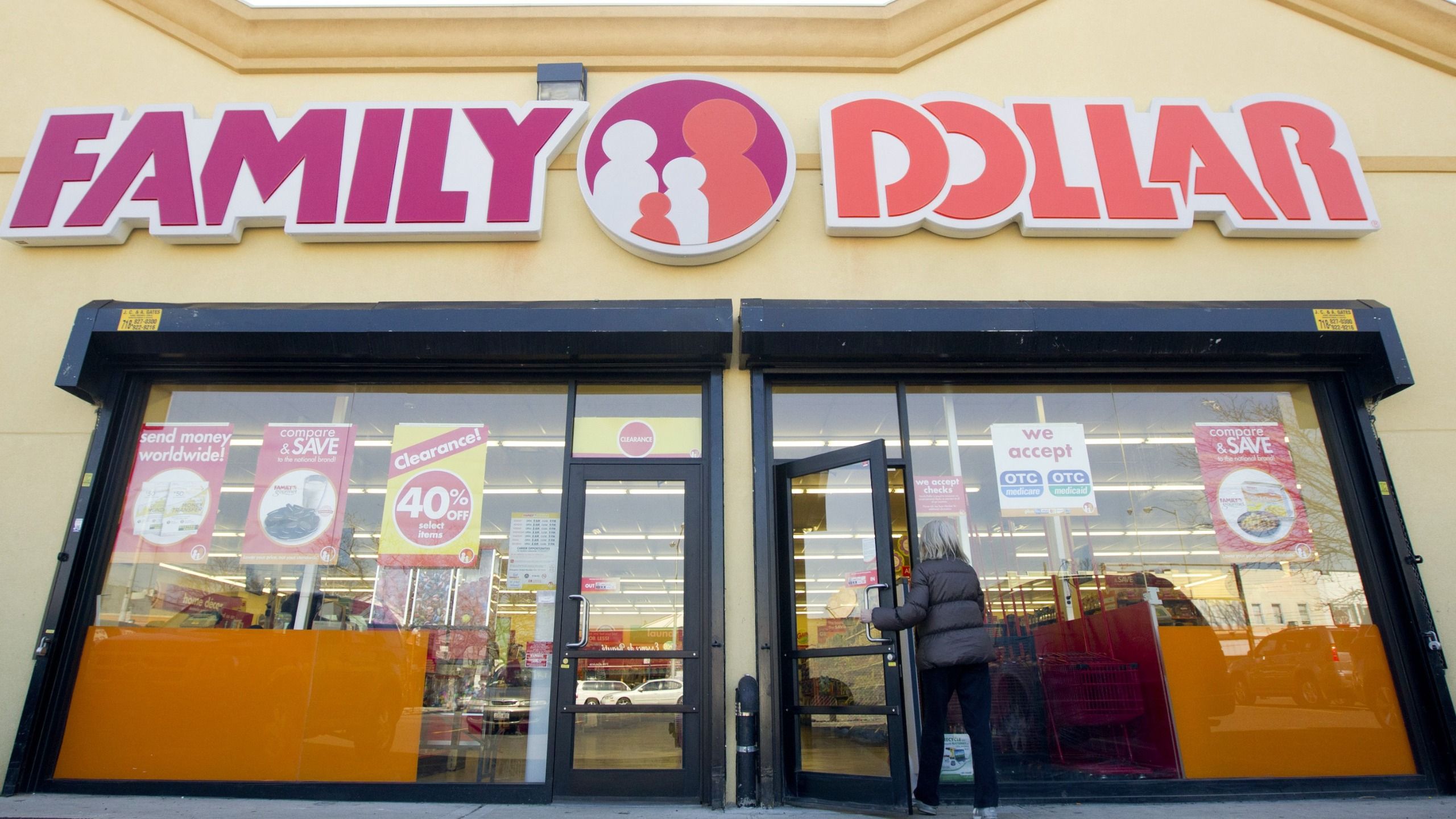
According to the FTC’s investigative report, the pricing errors were not isolated incidents of human error, but rather the byproduct of flawed internal operational procedures. The primary issue was the retailer’s reliance on automated pricing updates at the point of sale. While the company’s central server would push price increases to the cash registers, there was no consistent corresponding workflow to ensure that physical shelf tags were manually replaced or that digital advertisements and mobile app listings were synchronized.
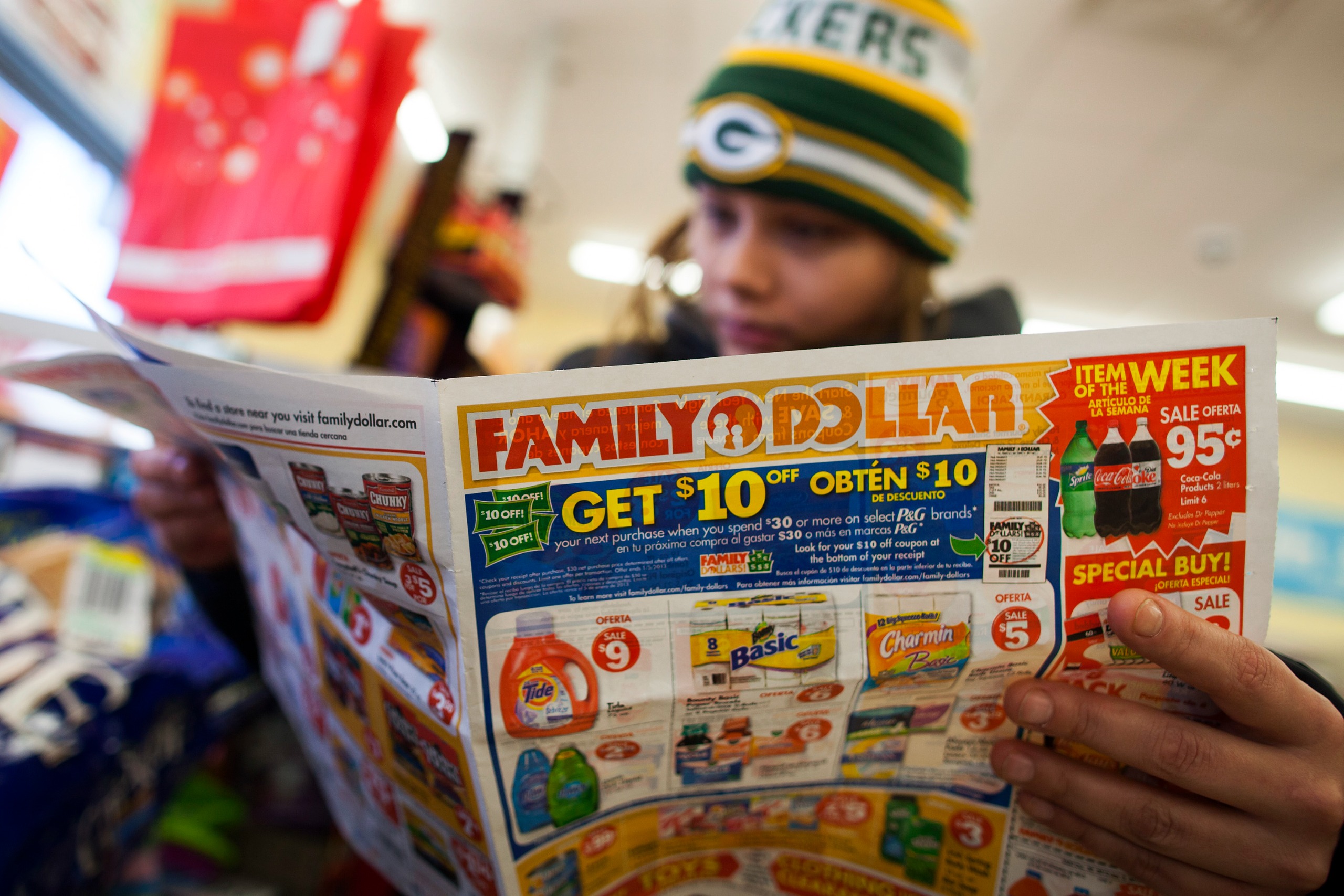
Furthermore, the complaint detailed recurring issues regarding the company’s "Smart Coupons" program. Customers frequently reported that coupons offered via the mobile application failed to deduct at the register, or that promotional circular prices were denied by store management despite being within the specified validity dates. The FTC noted that because transactions at discount retailers are often high-volume and low-cost, many consumers failed to audit their receipts until they had left the premises, or they remained unaware of the discrepancy entirely. This lack of visibility allowed the alleged overcharges to accumulate into millions of dollars in excess revenue for the retailer over the years.
The Settlement Framework and Redress for Consumers
The $63 million settlement is structured to provide both direct compensation to affected shoppers and long-term structural changes to the company’s business model. Of the total amount, $40 million is earmarked exclusively for consumer redress. Eligibility is broad: any customer who purchased items from a Family Dollar store between January 1, 2023, and October 1, 2026, is considered a potential claimant.
The FTC has stipulated that the settlement process should be as accessible as possible. While the specific claim portal is currently in development, the company is legally required to provide public notice of the process within its retail locations. Consumers will have a 180-day window to file their claims once the online portal is activated. Unlike many class-action settlements that require granular proof of purchase for every single item, the FTC indicates that the burden of documentation may be lighter, though consumers are encouraged to retain any available bank or credit card statements that corroborate their shopping history during the eligible window.
In addition to the monetary payout, the settlement imposes a strict "Pricing Accuracy Program." This includes:
- Regular, mandatory audits conducted by an independent monitor.
- Annual certification reports submitted to the FTC.
- Enhanced employee training protocols regarding price transparency.
- A new consumer-facing policy that allows customers to demand the lower of two prices if a discrepancy is identified at the register.
Broader Industry Implications and Regulatory Shifts
The action against Family Dollar is not an isolated event but rather part of a broader crackdown on deceptive retail practices. In October 2026, the FTC filed a similar lawsuit against Dollar General, signaling that federal regulators are intensifying their scrutiny of discount retail chains. This sector, which serves a significant portion of low-to-moderate-income households, is under a microscope because the impact of even minor pricing discrepancies is disproportionately felt by budget-conscious shoppers.
Economic analysts suggest that these lawsuits reflect a shift in the FTC’s enforcement priorities. Under current leadership, the commission has demonstrated an increased willingness to pursue "unfair or deceptive acts or practices" (UDAP) under the Federal Trade Commission Act, particularly when those practices target vulnerable populations. The implications for the industry are profound: retailers may now face higher operational costs as they are forced to invest in better inventory management software and more robust manual auditing procedures to avoid similar litigation.
Advice for the Modern Consumer
While the settlement provides a mechanism for past damages, the FTC’s investigation serves as a stark reminder for consumers to remain vigilant. In an era where digital pricing and physical shelf tags often exist in separate operational silos, the "trust but verify" approach to shopping has become essential.
The FTC recommends several proactive steps for shoppers to protect themselves against future overcharges:
- Monitor the Register: Observe the screen as items are scanned. If a price does not match the shelf, bring it to the cashier’s attention immediately.
- Document Discrepancies: Take a photograph of the shelf tag or the advertisement if the price at the register is higher than what was displayed.
- Review Receipts: Do not wait until you are home to check your total. Ensure that discounts, such as those from mobile apps or store coupons, have been correctly applied.
- Use Official Channels: If a store consistently fails to honor advertised prices, file a complaint with your state’s Consumer Protection Office or the Better Business Bureau. The FTC’s recent success was built on the foundation of thousands of consumer complaints, proving that individual reports can lead to systemic change.
The Conclusion of a Long-Running Dispute
The $63 million settlement concludes a chapter of controversy for Family Dollar, but the road to restoring consumer trust will likely be long. As the company begins the process of implementing its court-ordered transparency measures, the retail industry at large is watching closely. The era of "scan-and-go" without verification may be ending as regulators demand greater accountability for the accuracy of price tags. For the average shopper, the message from the FTC is clear: while the law is on your side, maintaining a skeptical eye during the checkout process remains the most effective defense against the hazards of modern retail pricing errors.